
Iceland is a rewarding place to visit at any time of year, with a varied landscape that can change dramatically from one stop to the next. That’s one of the reasons we have two SheClicks photography trips planned for 2027, each heading in a different direction from Reykjavík. The February trip is likely to bring the cool winter tones I love while in May, we’ll explore the dramatic coastlines and volcanic landscapes of the Snæfellsnes Peninsula, including iconic Mount Kirkjufell. The longer days also bring the chance of seeing puffins. In this post, I’m focusing on February and the places I’m looking forward to seeing again.
I love the cool hues in Iceland’s winter palette, from the deep blues of ice and water to the muted greens and greys of the mossy lava fields and volcanic rock. The low sun brings a lovely quality of light, too, and there’s always the chance that the Northern Lights might appear after dark.
Part of the excitement of Iceland is that the weather can change almost in a heartbeat, so it pays to be flexible. Conditions may also make some roads or locations difficult to reach. We had some challenging weather on our 2026 trip, but we still came away with some great images. The experience only made me more enthusiastic about returning. I came home thinking about the places I’d like to photograph again and the pictures I might make next time.
For the February trip next year, Hanna Másdóttir will be guiding us again. She became a friend during our first trip and knows Iceland inside-out. I’m delighted she’ll be joining us. With Hanna at the wheel of the minibus, we’ll be in safe hands, and she’s a lovely person to share the journey with.
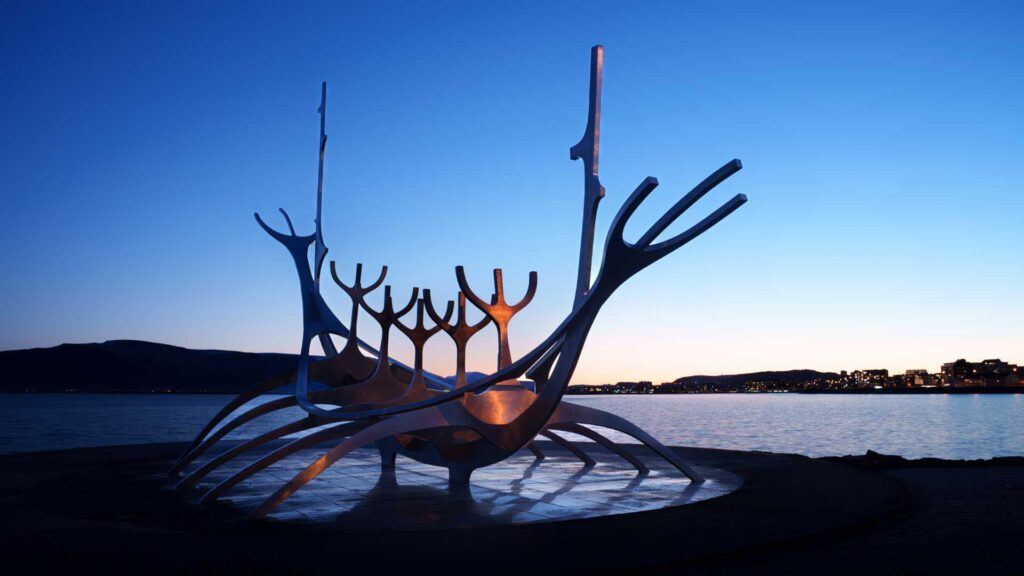
Our trip starts in Reykjavík. Seeing Sólfarið, the Sun Voyager, makes me feel I’ve properly arrived in Iceland. It stands right beside the sea, and I like to take a few minutes between photographs to enjoy the view and breathe in the crisp air.
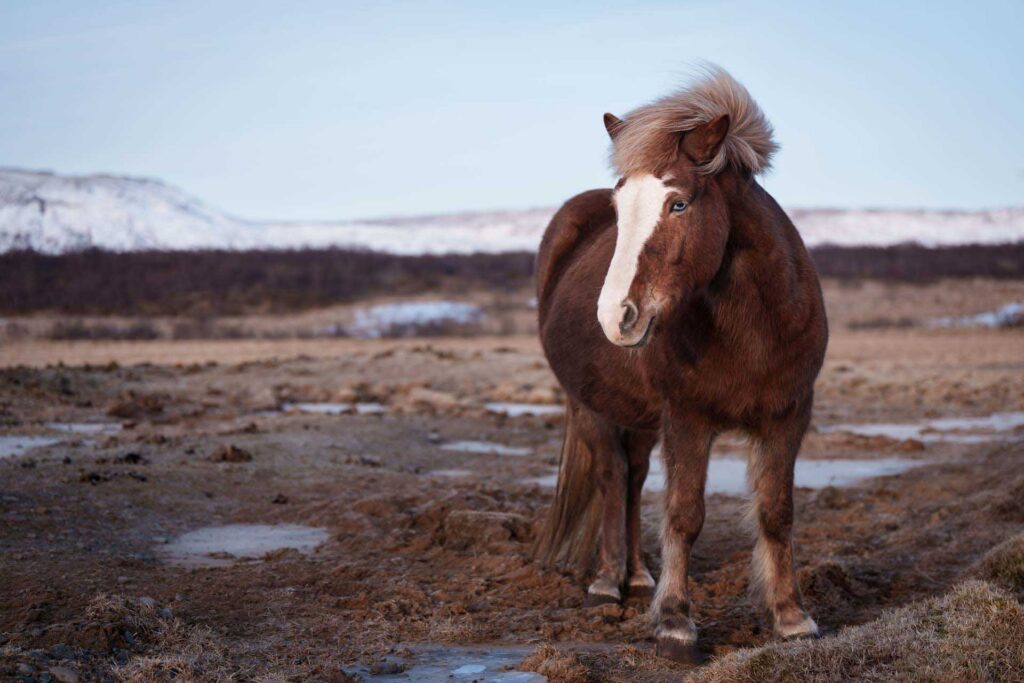
From Reykjavík, we’ll head to an Icelandic horse farm. The horses are cheeky and friendly. During our last trip, they broke free from their field and the farmer had to herd them back. We had a fantastic opportunity to photograph them as they came hurtling towards us, and they seemed very pleased with themselves once they were back in the field. I’m looking forward to another chance to photograph them in the soft morning light.
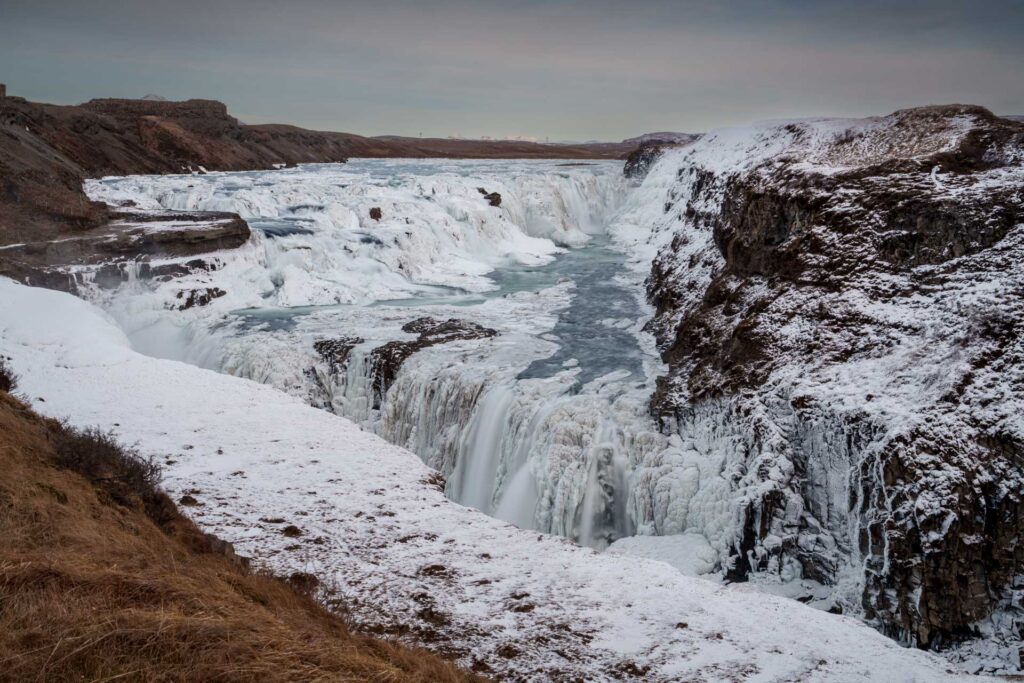
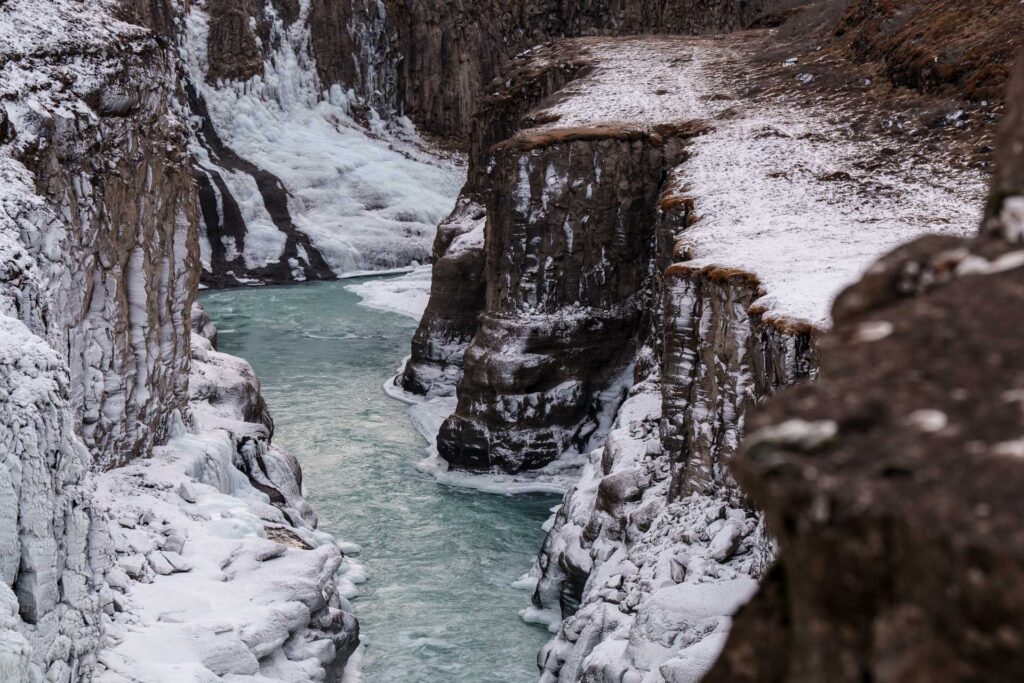
We’ll then continue to Gullfoss, a powerful waterfall with different viewpoints to explore and plenty of ways to frame it.
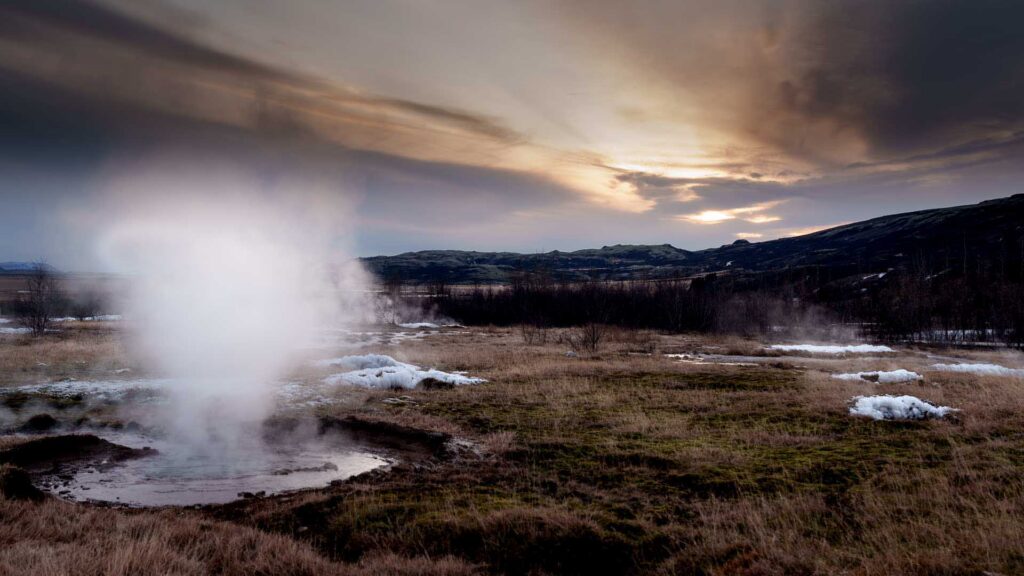
Nearby, the Geysir area feels unlike anywhere I’ve visited before. Steam rolls along the ground and small geysers bubble away here and there, so there’s always something to catch your eye.
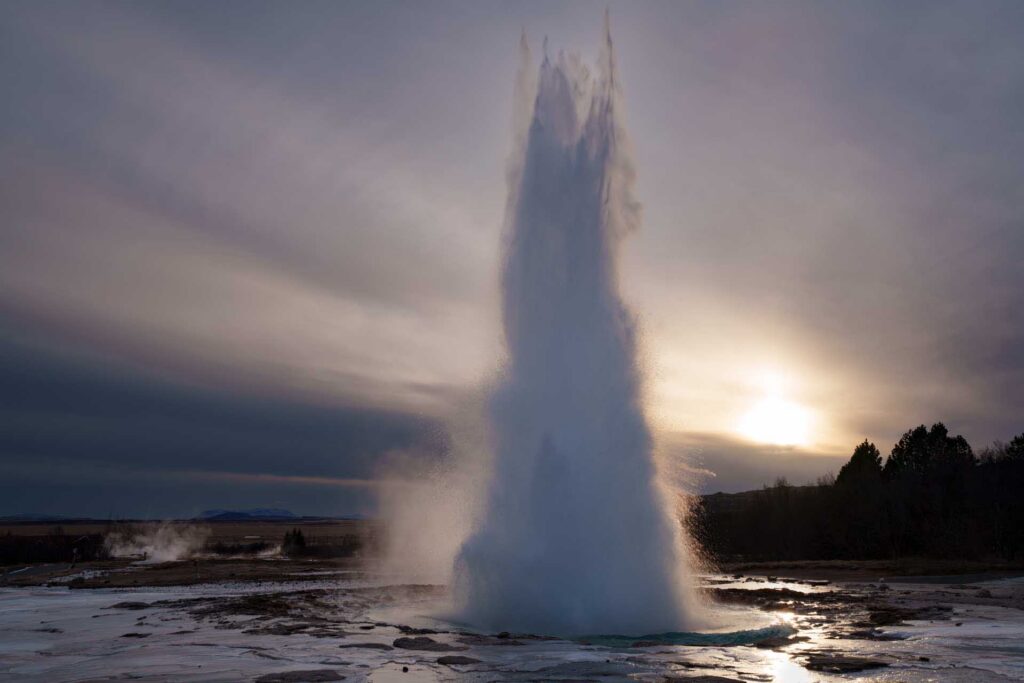
Strokkur is fascinating to watch, but tricky to photograph. You wait for it to erupt, try to anticipate the moment and height it might reach (it varies every time) and hope you’ve got the shot. It’s an enjoyable challenge, and I love hearing a cheer when someone captures a photograph they’re happy with.
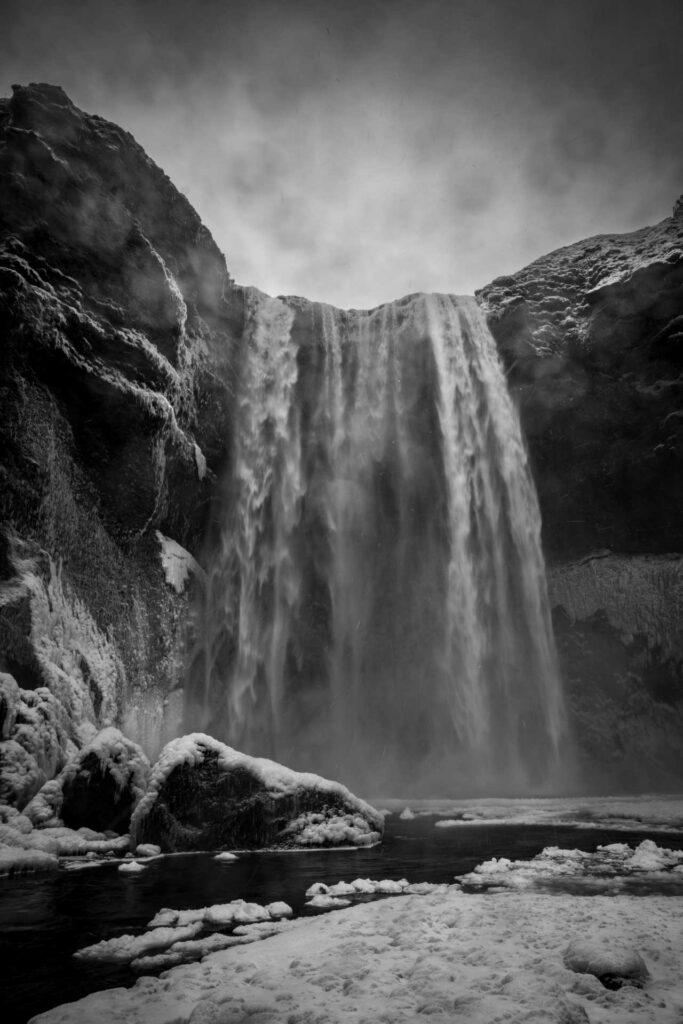
From there, the route takes us along the south coast, where I’m keen to revisit Skógafoss. The waterfall and its surroundings give you plenty to work with. I’d like to spend more time exploring different viewpoints and seeing how the scene looks in winter light.
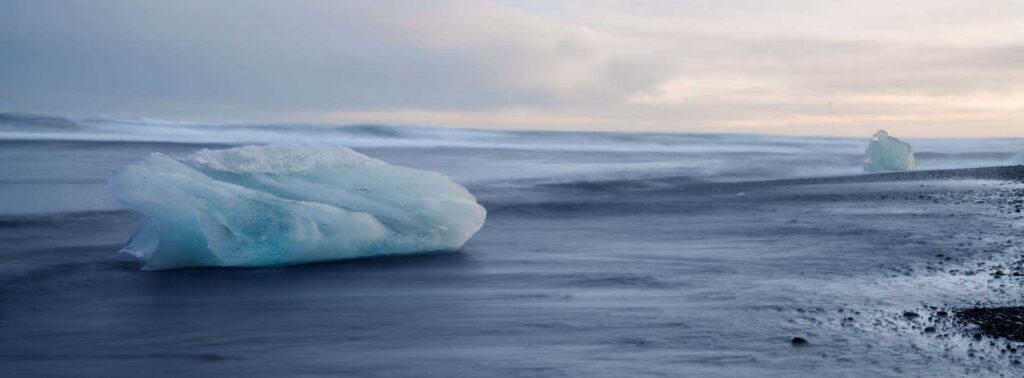
Further east, Jökulsárlón Glacier Lagoon and Diamond Beach offer a very different kind of photography. Icebergs drift across the lagoon, while pieces of ice wash up on the black sand. Their shapes, colours and positions keep changing. I enjoy trying long exposures to soften the movement of the water, then taking more ‘normal’ exposures to capture the scene as it unfolds. It’s a lovely way to come away with a variety of images from the same visit.
Read our 3 Legged Thing Modular Tactical Tripod System Review
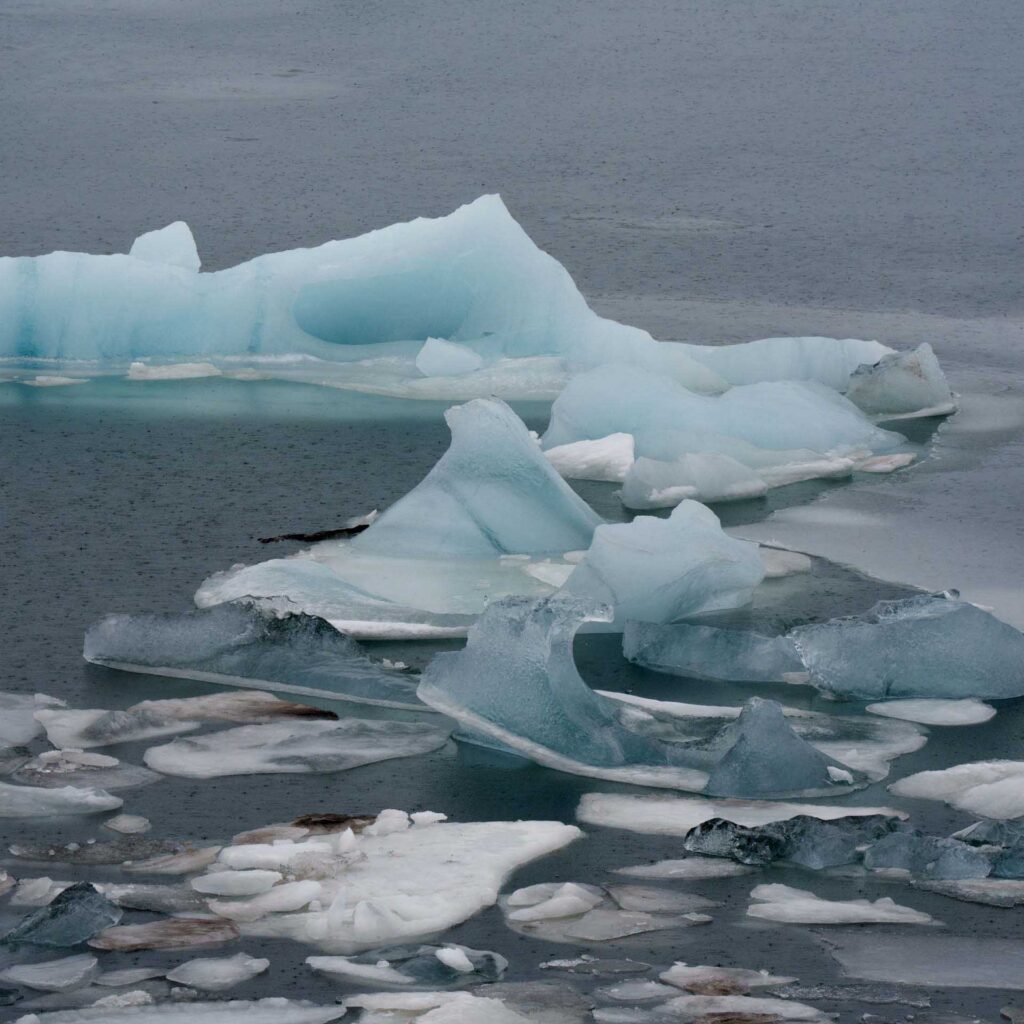
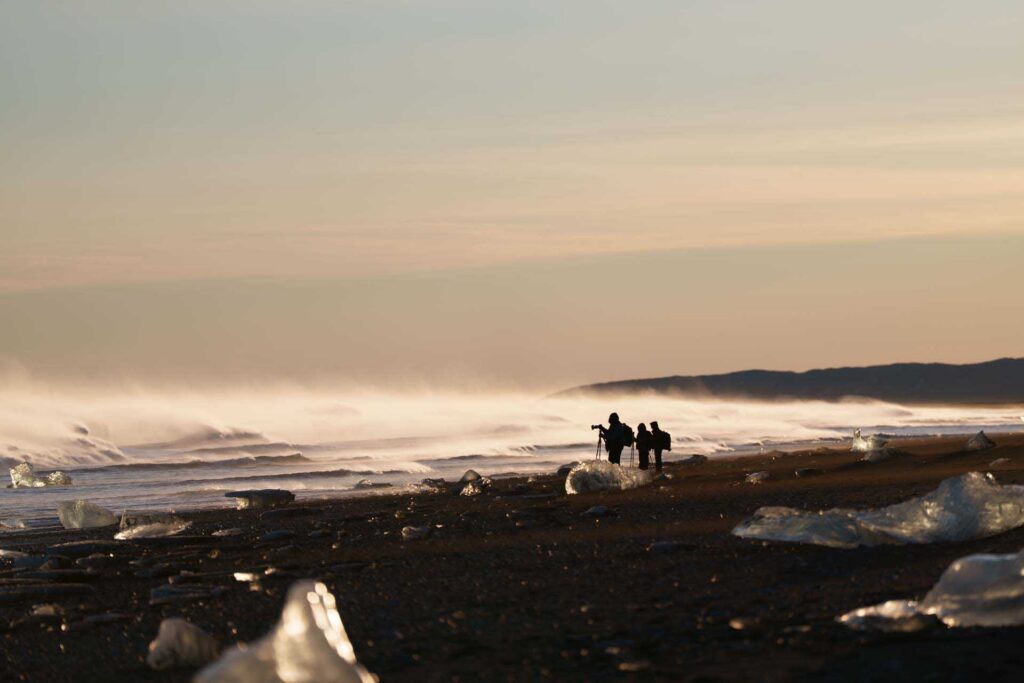
The lagoon and Diamond Beach were also among the places that came up most often as favourites when I chatted with the SheClickers after our workshop. The Icelandic horses and glaciers were mentioned often, too. And those who joined the optional ice cave tour gave it a big thumbs up. There’s another optional private ice cave tour in the 2027 itinerary for anyone who’d like to explore and photograph the blue ice from inside.
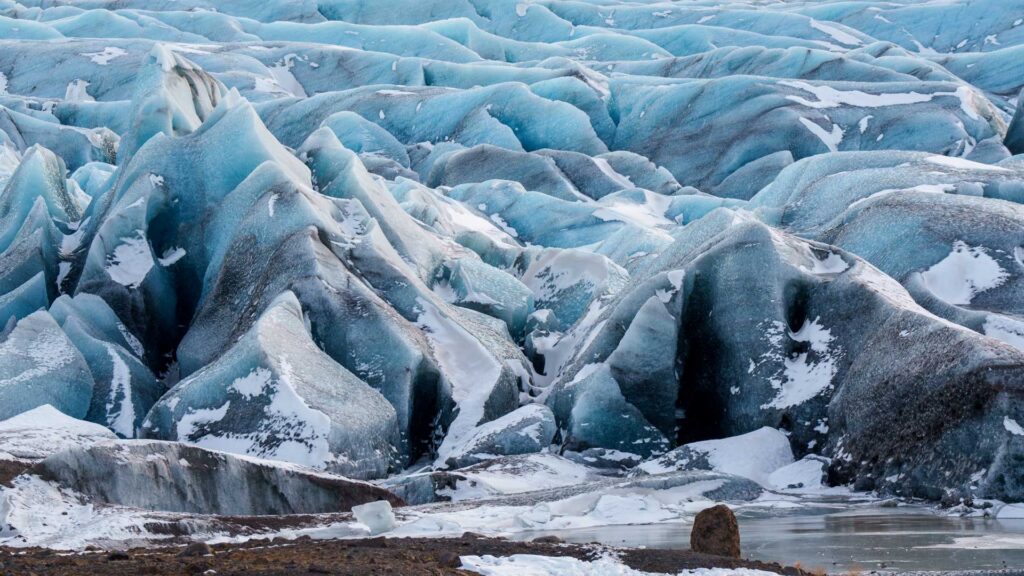
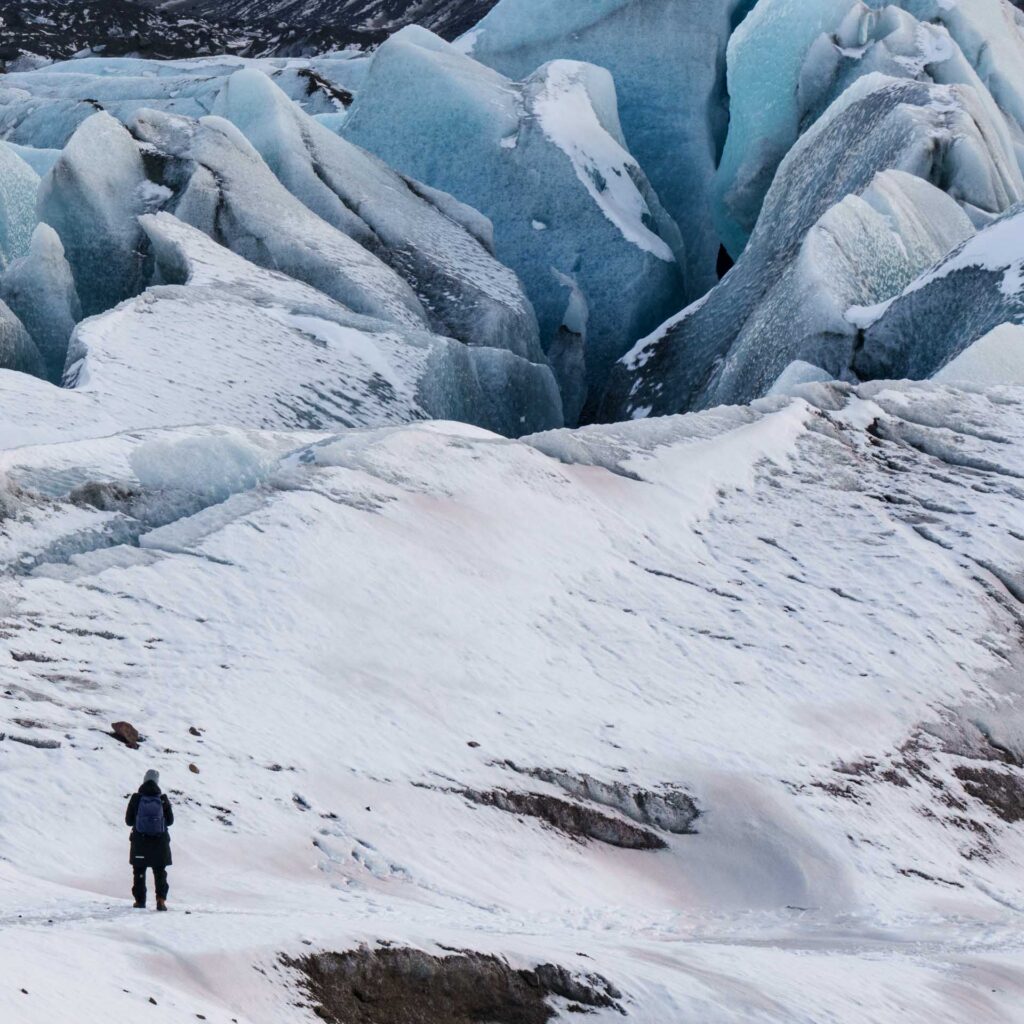
I find the glaciers fascinating. Their scale is hard to take in, and I love looking at the patterns and textures in the ice, whether I’m photographing the wider landscape or concentrating on the details.
Read our Urth Magnetic ND Selects Filter Kit Plus+ Review
Then there’s the aurora, and the excitement of wondering whether it will appear and whether the sky will be clear. We had two great sightings last winter, and the second was my favourite. We were somewhere more remote, with fewer people around, albeit right outside our hotel. It was wonderful to help everyone get the aurora photographs they’d dreamed of. In the darkness, I could hear happy chirps and intakes of breath as people looked at the results on their cameras.
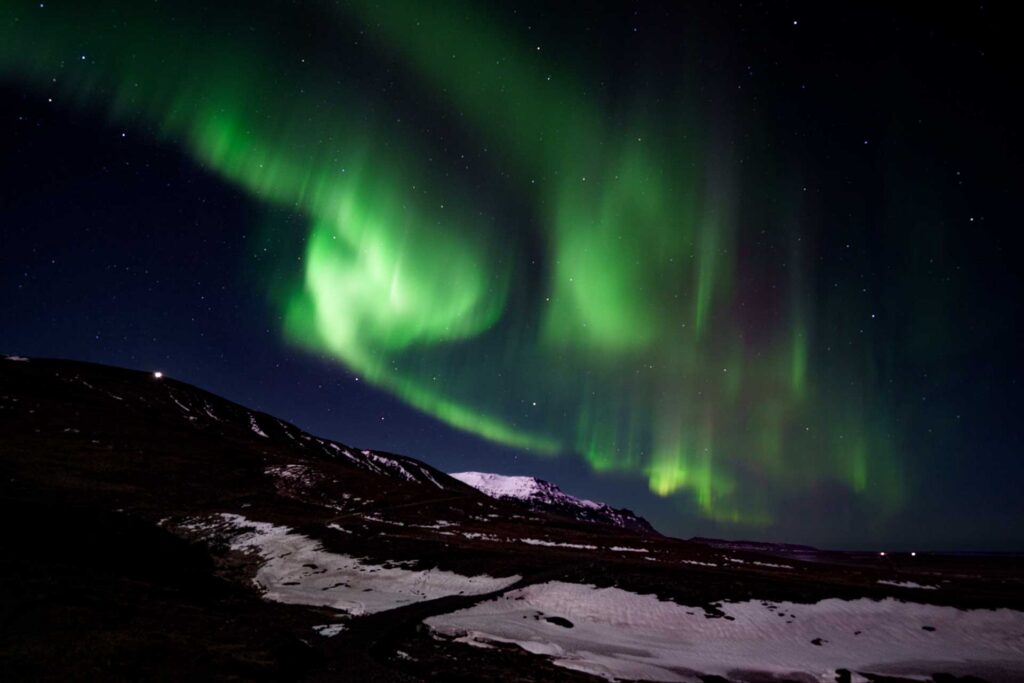
There’s a lot I’m looking forward to seeing again, and I can’t wait to return in February 2027 and find out what the light, weather and sky have in store for us. If you fancy joining us on our women-only trip, take a look at the Workshop Post in the SheClicks Community Calendar.
Create a free account and get a full month of Connect Plus included — the full SheClicks community, on us.
When your free period ends you can carry on using Connect for free, or subscribe to keep Connect Plus. No card needed to sign up.