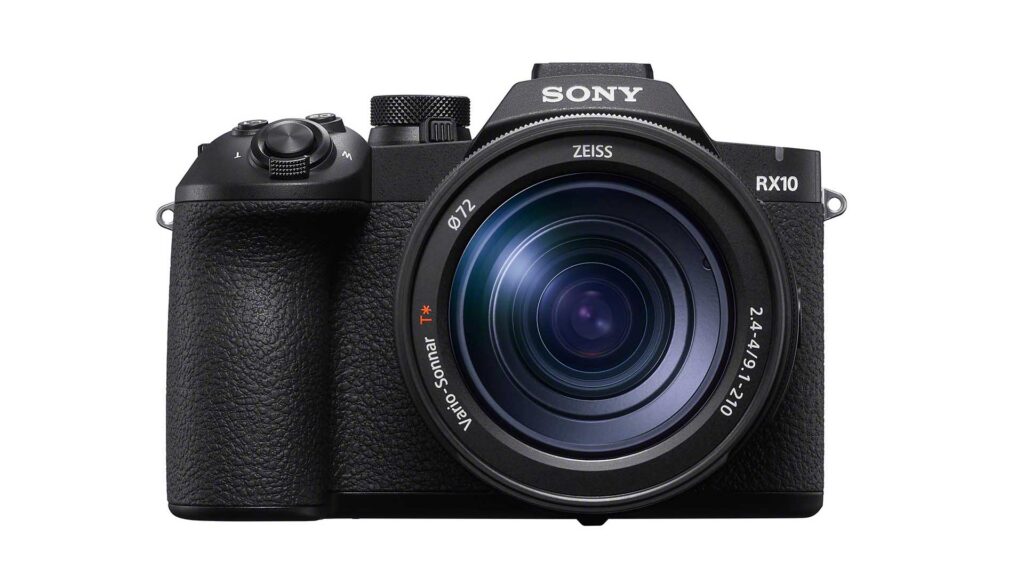
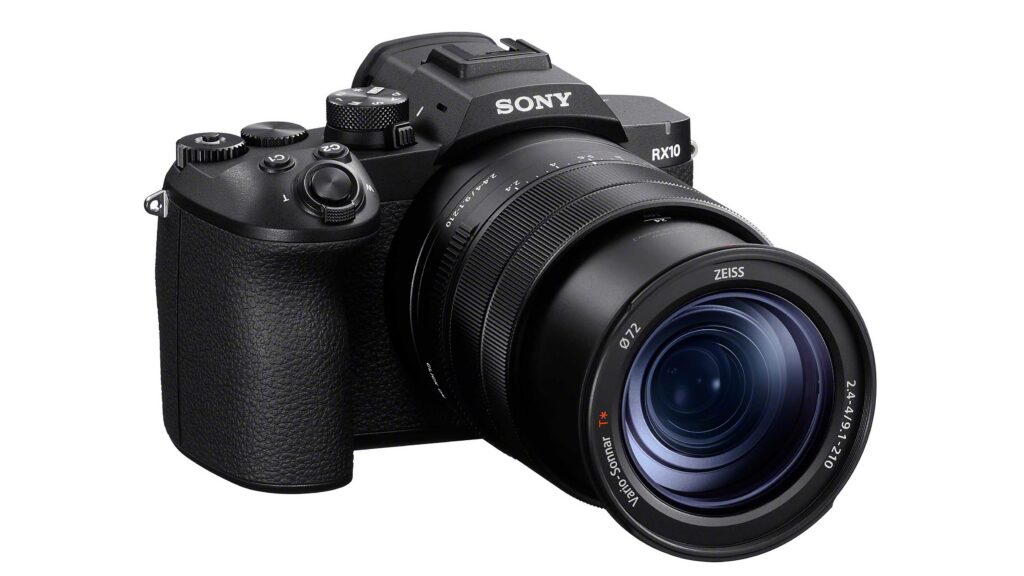
Sony has announced the Sony RX10 V, the latest model in its RX10 bridge camera range and the first update to the series for several years.
The RX10 has always appealed to photographers who want the flexibility of a long zoom without carrying a bag full of lenses. Whether you’re photographing wildlife, motorsport, airshows, holidays or family days out, the idea is simple: one camera that can cover almost every situation.
The headline update is the addition of Sony’s latest AI powered Real-time Recognition AF, bringing autofocus technology from the Alpha mirrorless cameras to the RX10 series. The camera can recognise people, animals, birds, insects, cars, trains and aircraft, while an automatic mode selects the appropriate subject type for you. It can also continue tracking people even when their face is hidden or turned away, making it particularly useful for action photography.
At the heart of the RX10 V is a 20.1 megapixel 1 inch stacked Exmor RS CMOS sensor, paired with Sony’s BIONZ XR image processor. Together they promise detailed images with good colour and improved performance in more challenging lighting conditions.
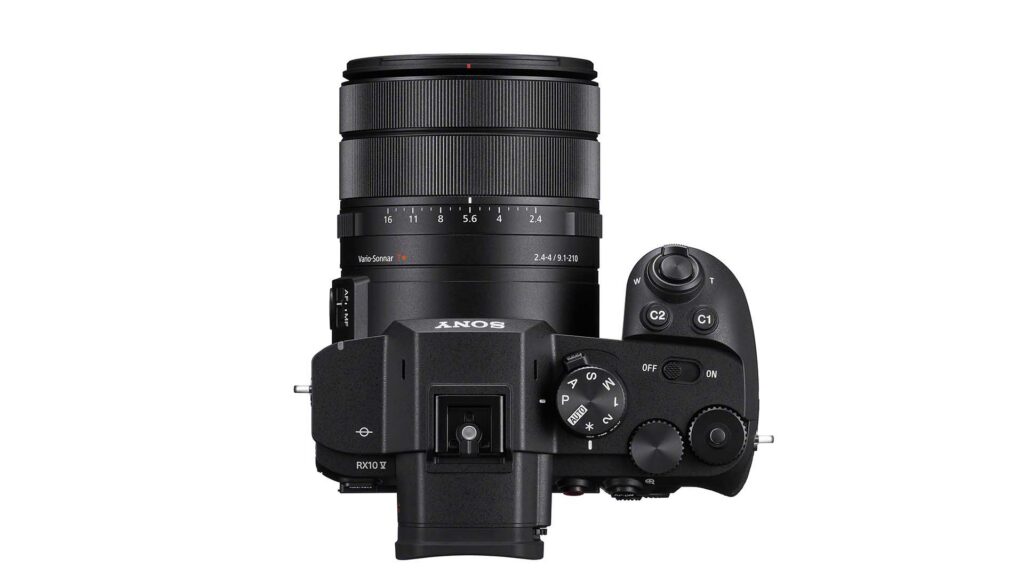
The camera features a built in ZEISS Vario-Sonnar T* 9.1-210mm F2.4-4.0 lens, which provides a 35mm-equivalent focal length of 24-600mm. That gives photographers a huge amount of flexibility, from wide angle landscapes through to distant wildlife and sports, without ever changing lenses. The lens can also focus from as close as around 3cm at the wide end, making it suitable for close up photography too.
For anyone photographing fast moving subjects, the RX10 V can shoot continuously at up to 30 frames per second using its electronic shutter with full autofocus and auto exposure tracking. Sony also says the autofocus system performs AF and AE calculations up to 60 times per second to help keep subjects sharp as they move across the frame.
Video shooters haven’t been left out either. The RX10 V records 4K video at up to 120p for high quality slow motion footage, although there is a slight crop when recording at this frame rate. It also includes Active Mode image stabilisation, S-Cinetone, S-Log3, support for user LUTs and AI powered Auto Framing, which automatically keeps your subject centred while recording.
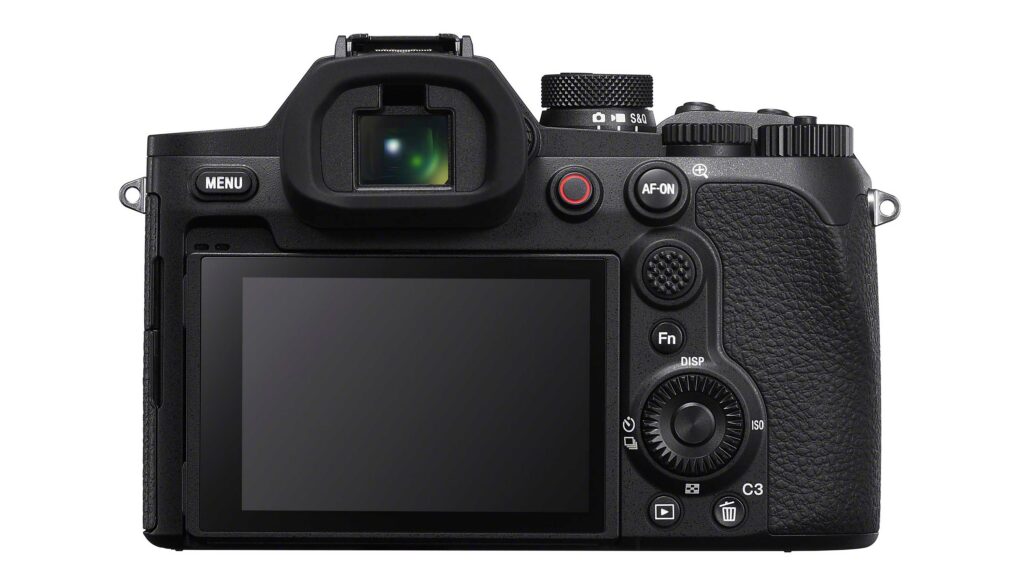
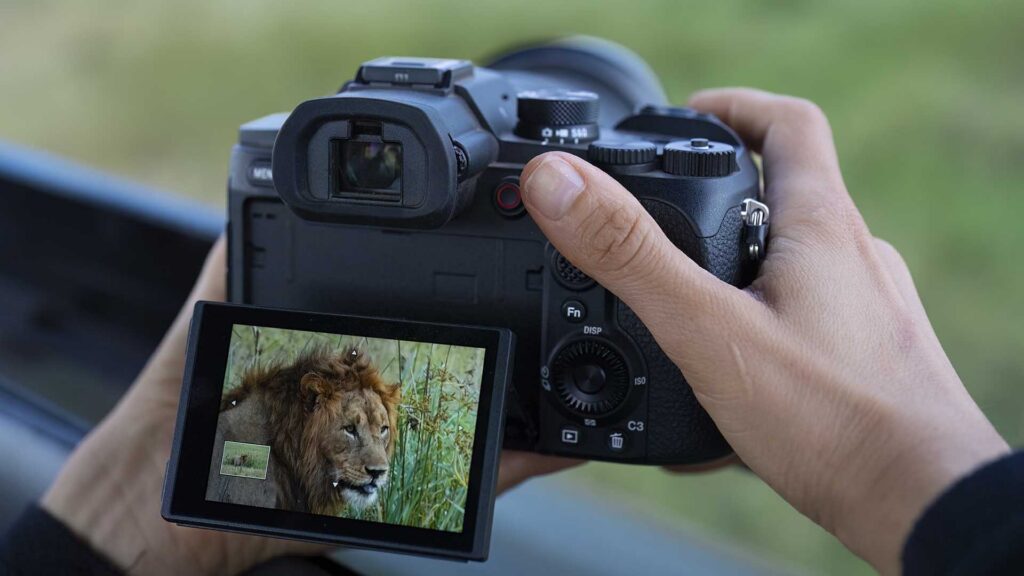
Sony has also updated the camera’s handling with a larger 3.68 million dot Quad VGA OLED electronic viewfinder offering 0.78x magnification, together with a higher resolution 3 inch rear screen. The grip and button layout have also been redesigned to bring the camera more in line with Sony’s Alpha mirrorless range.
The battery life has also had a welcome improvement. The RX10 V uses Sony’s NP-FZ100 battery, which is rated for up to 630 shots when using the rear screen, around 50 per cent more than the previous RX10 IV.
Other features include a dust and moisture resistant body, dual band WiFi, USB C connectivity with support for 4K 30p live streaming and compatibility with Sony’s Creators’ App for wireless image transfer, remote shooting and firmware updates.
Bridge cameras may not be as common as they once were, but they still fill an important gap for photographers who want the reach of a super telephoto lens without the cost, weight and bulk of an interchangeable lens system. With AI autofocus and a number of improvements over its predecessor, the RX10 V looks set to keep that tradition going.
The Sony RX10 V will be available to pre order from 9 July 2026.
Price: £2,200.