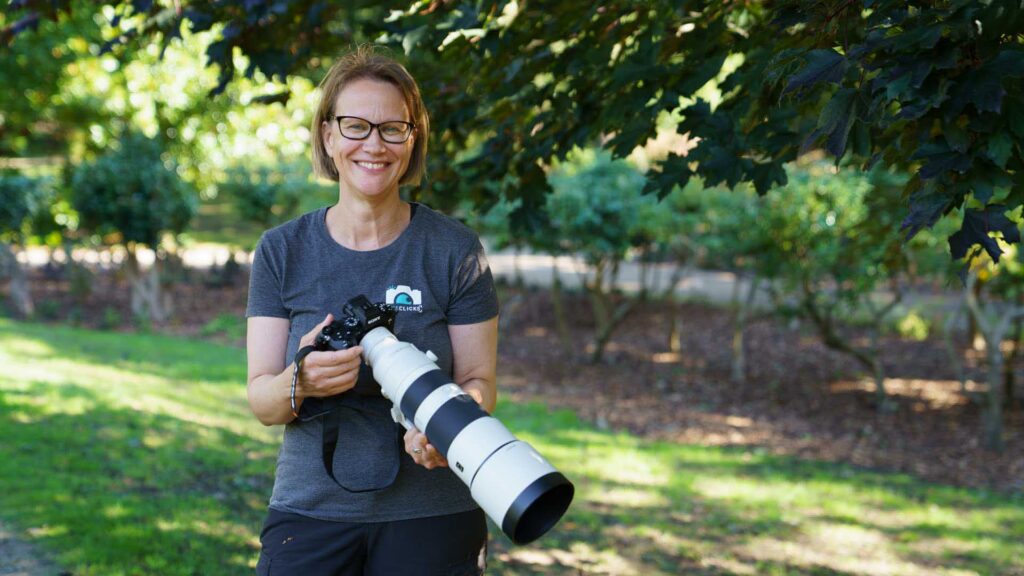
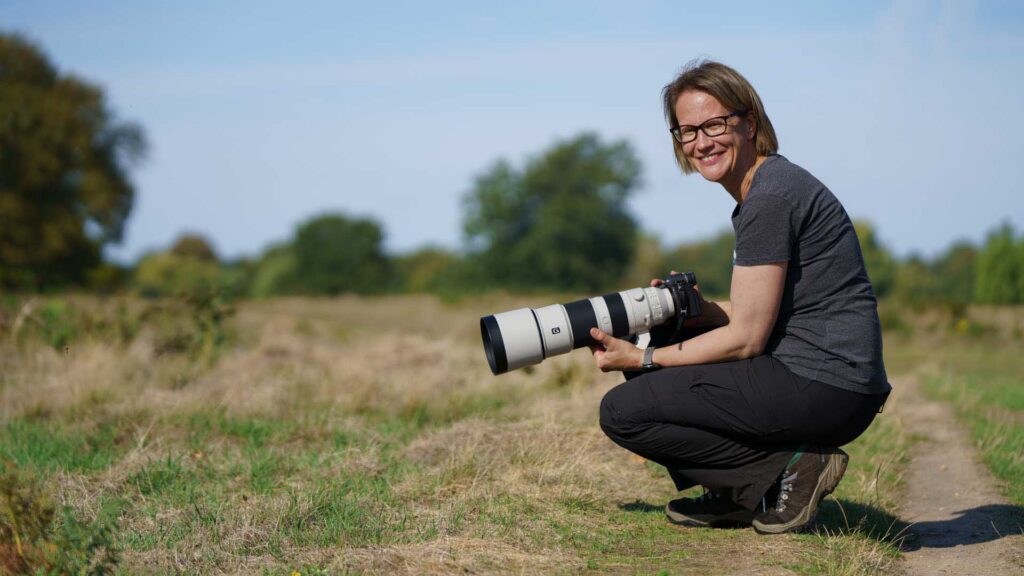
Do you have a dream camera or lens that you’d love to try for a day? Connie Kinley certainly does. She’d been eyeing up the Sony Alpha 1 II ever since it was announced, so when Sony offered her the chance to try it alongside the FE 200–600mm G OSS, she leapt at the opportunity.
Connie is already a Sony shooter and has been using the Sony Alpha 1 for several years, so she was very much on familiar ground. In fact, while I was there to help with settings and troubleshooting if needed, Connie didn’t really require much support at all. She already knew her way around the system and was quickly up to speed with what the Alpha 1 II has to offer.
My role was more about documenting her day as she got to grips with the new camera and lens, and finding out what stood out when she used them in the real world, photographing the wildlife she loves most. Here’s how she got on.
Read our Sony Alpha 1 II Review
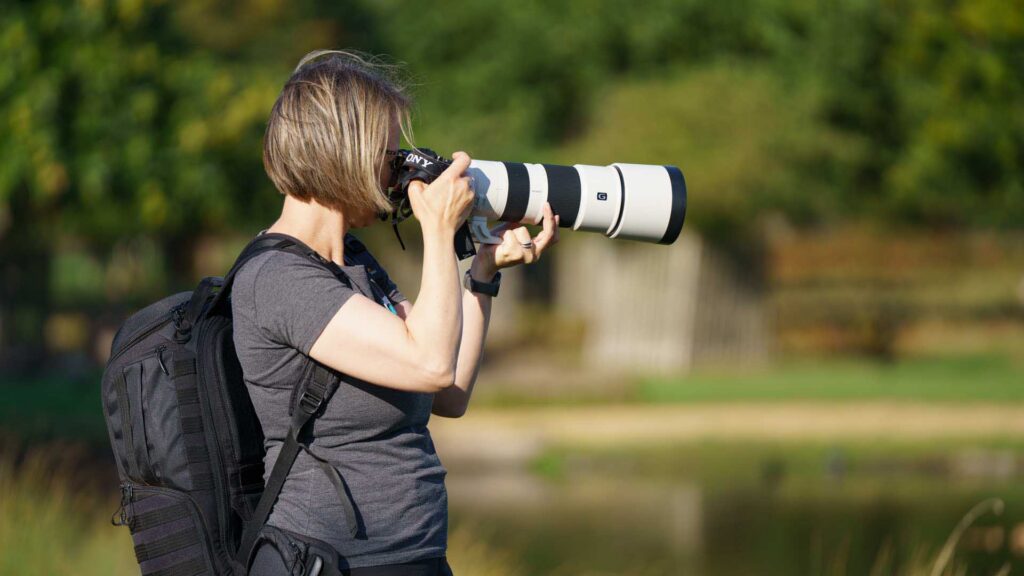
I mostly photograph wildlife and, within that, my favourite subjects tend to be mammals. They can be so expressive and show such interesting behaviours. At the same time, if I’m out, I find that I point my camera at anything that moves almost out of reflex, so I do also capture a fair number of birds. With all wildlife, I love the challenge of capturing something unusual or unique about them, their interactions in particular. And for animals I photograph a lot, I now look to capture them in unusual light or against unique backdrops.
I have been shooting with Sony kit since they acquired Minolta in 2006 and have upgraded through their cameras over time. For the past four years or so I have been shooting with the Alpha 1, which is an amazing camera, and my go-to lens is the FE 100–400mm f/4.5–5.6. I also use the FE 90mm F2.8 Macro lens for both close-up or wildlife-in-context shots where the animal might be more habituated.
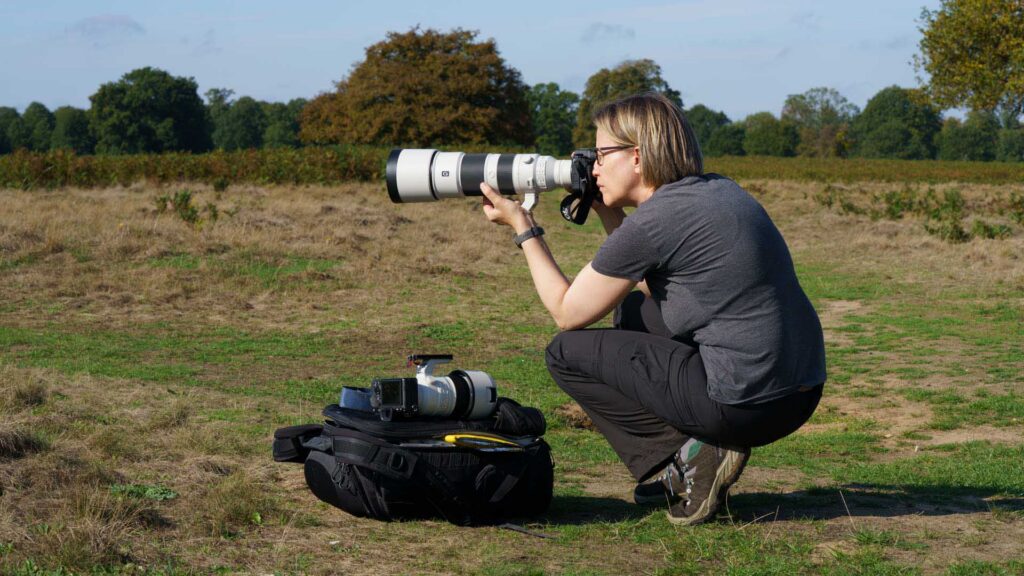
I’m still impressed with how sharp and accurate my images are with my current set-up in terms of light and colour, and I never need to do much post-processing. The eye detection has also been excellent. I’ve read reviews of the new Alpha 1 II that say it’s not a game-changer compared to the Alpha 1, but that it’s better all round. That made me keen to try it and see how it works for me.
Crucially, the Alpha 1 II has a key feature that would add a significant advantage to photographing animal behaviour, pre-capture.
As for the longer lens, I had been compensating for a lack of reach through pixels, so cropping on the computer, as there just wasn’t a quality longer Sony lens at my price point. So, when they released the 200–600mm to rave reviews about its sharpness, I just had to see how it would compare to my 100–400mm.
Read our Sony Alpha 7 V Review
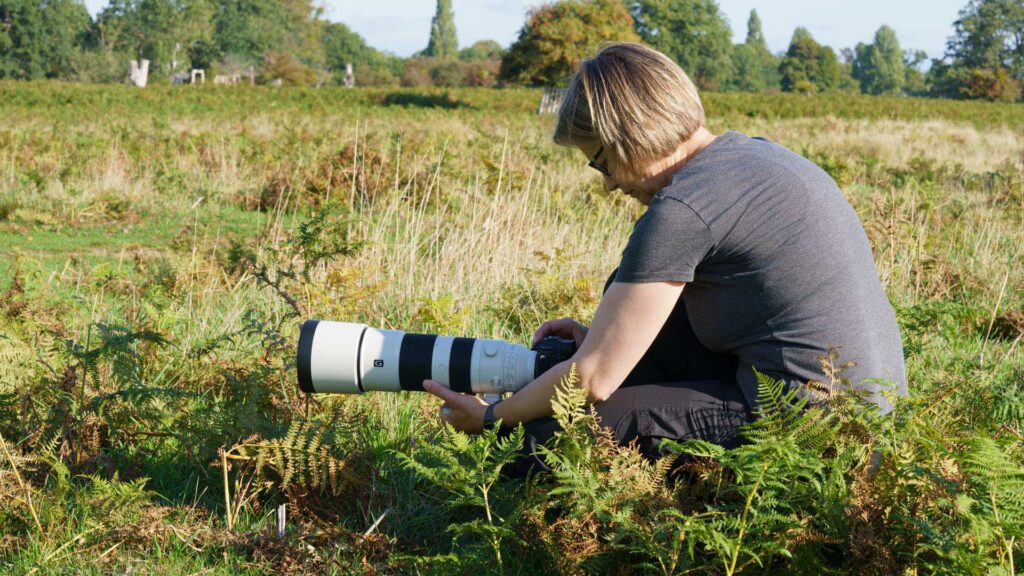
Post-processing has become so much better at compensating for noise, so whilst that was a concern, I was mainly interested in the sharpness and detail I could capture. Getting the little feathers around birds’ eyes sharp and the fur detail in animals is crucial to me, so the Alpha 1 II and the 200–600mm lens had to improve on those separately and together. I expected colour, light and contrast to be as good as from the Alpha 1.
The pre-capture function of the Alpha 1 II is a key selling point for me, but to upgrade the camera, considering the price, it would also have to be significantly better than my Alpha 1.
Read our Sony FE 16mm F1.8 G Review
The first thing I noticed was the weight of the 200–600mm lens. I don’t like feeling encumbered by monopods or tripods and I prefer to hand-hold my gear where possible. My usual set-up weighs 2440g, which I’m very comfortable with, but the Alpha 1 II plus the 200–600mm lens weighs in at 3140g, so quite a bit more. The weight is in the lens rather than the camera, which looks and feels almost identical.
The other difference is the zooming mechanism of the lens. The 100–400mm needs to extend outwards, whereas the length of the 200–600mm stays the same, which is particularly useful when I use a rain sleeve.
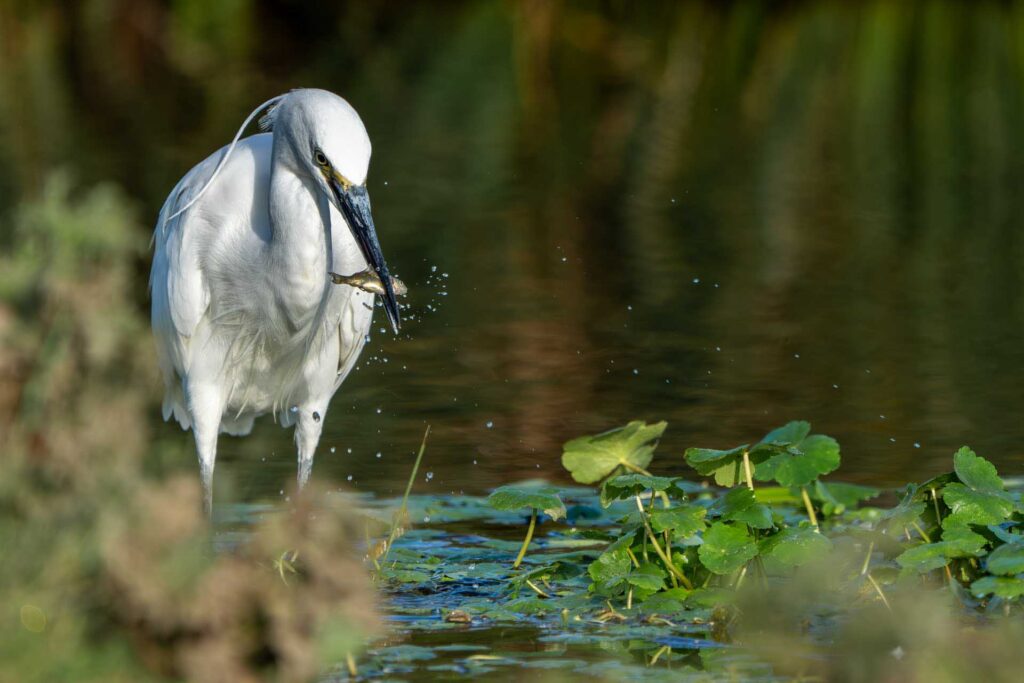
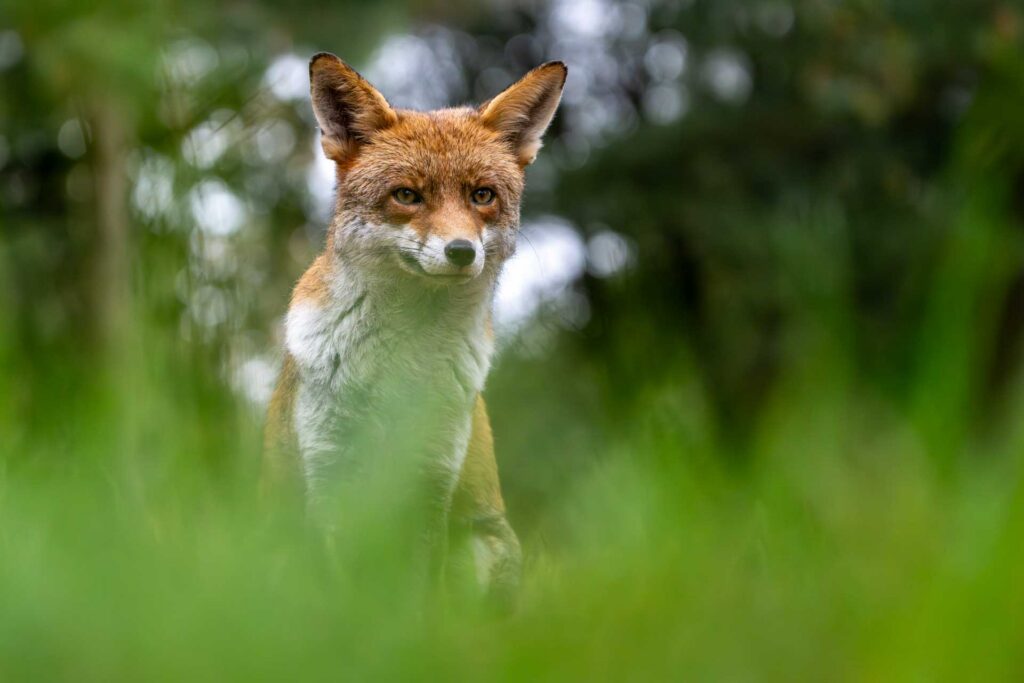
That’s the first thing I noticed when using the Alpha 1 II, and I hadn’t expected it: the eye detection and the speed of focusing is vastly better than on the Alpha 1. This is regardless of the animal. Whether I pointed the camera at a bird pulling up fish, a deer suddenly running across the landscape, or I moved the camera up to capture a bird in flight, the focusing was super-quick and accurate even in very dull weather. It also stayed well with moving animals.
Checking back on the computer, usually the first image in a sequence was the sharpest, which is a good sign.
Apart from the weight, which I got used to pretty quickly, the camera in particular felt instantly familiar. I set up the menus with my preferences really easily. The Alpha 1’s menu had already improved on the jargon quite a bit. The quality of detail on the camera’s rear screen seemed improved compared to my usual camera, so it was easier to tell if an image was sharp. The quick focusing was immediately noticeable and kept impressing me.
On the 200–600mm, the internal zooming mechanism is much smoother than on my 100–400mm and much steadier to change whilst focusing on a subject. Looking at my images back on the computer, the 200–600mm lens produced crisper images even when used with my current Alpha 1 camera.
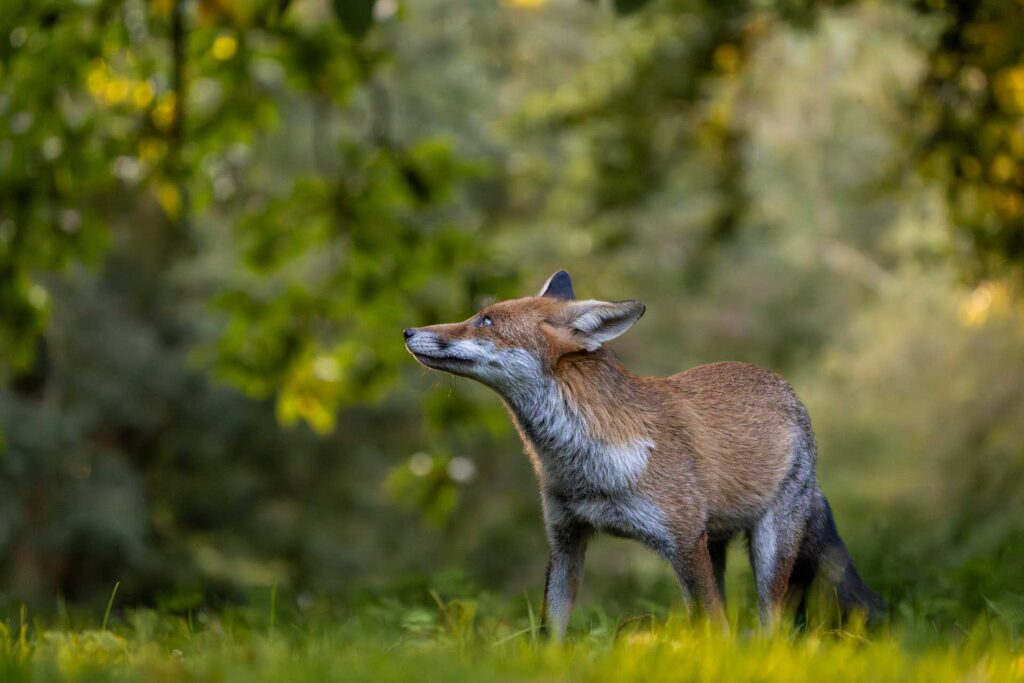
Having a longer focal length than the 400mm I’ve been used to was immensely useful, even where wildlife wasn’t all that far away. The difference in aperture (f/6.3 compared to f/5.6) was negligible when looking at various background details and kept a little more of the animal sharp. The images produced by the combination of camera and lens were effortlessly sharp and well-exposed.
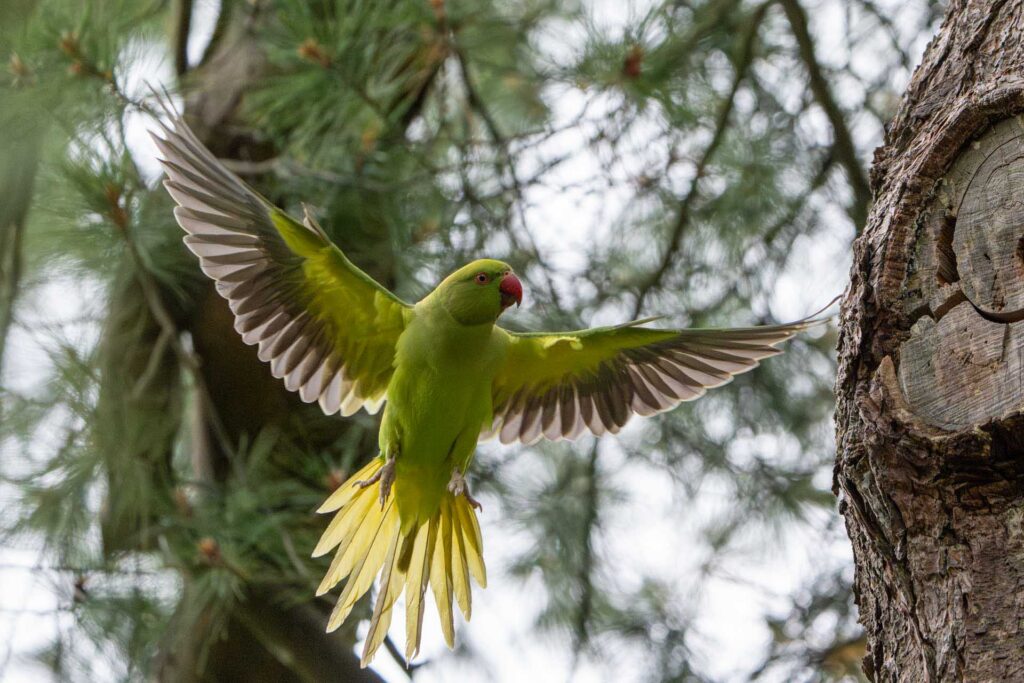
I experimented with the pre-capture mode on several subjects, and I think it would make me a much better bird photographer. Being able to override your own reflexes by capturing movement before you see it was a revelation. It took some practice and many empty frames, but I was able to take images I hadn’t been able to before.
It’s worth noting that using pre-capture (and occasionally forgetting to turn it off) devours battery life, memory cards, and makes the card quite hot, so I’d need more batteries and memory cards on long days out. Also, cards that write quickly (and are more expensive) would be useful to be able to keep shooting.
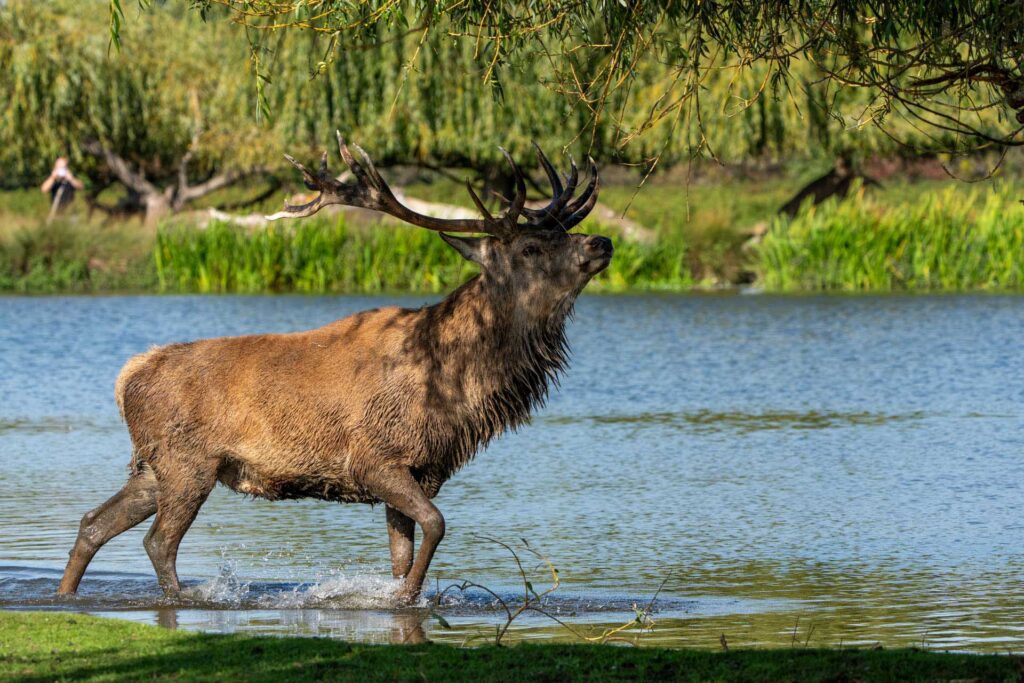
Having the 600mm lens in the field allowed me to take images I wasn’t able to before, simply because I had greater reach. But what was even more enjoyable was looking at the images at home on the computer and finding a vast majority accurately focused on the eye and pin-sharp at all focal lengths.
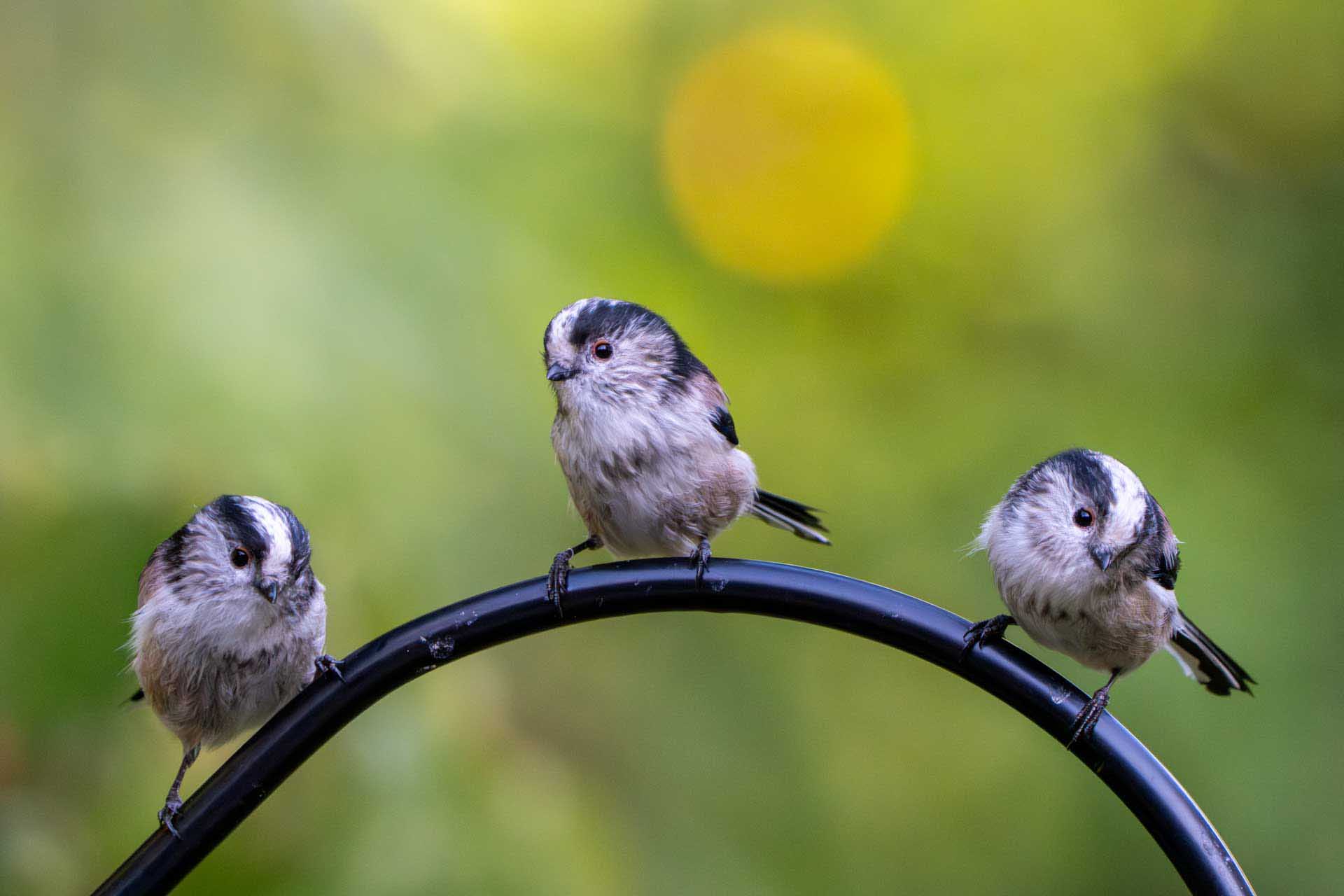
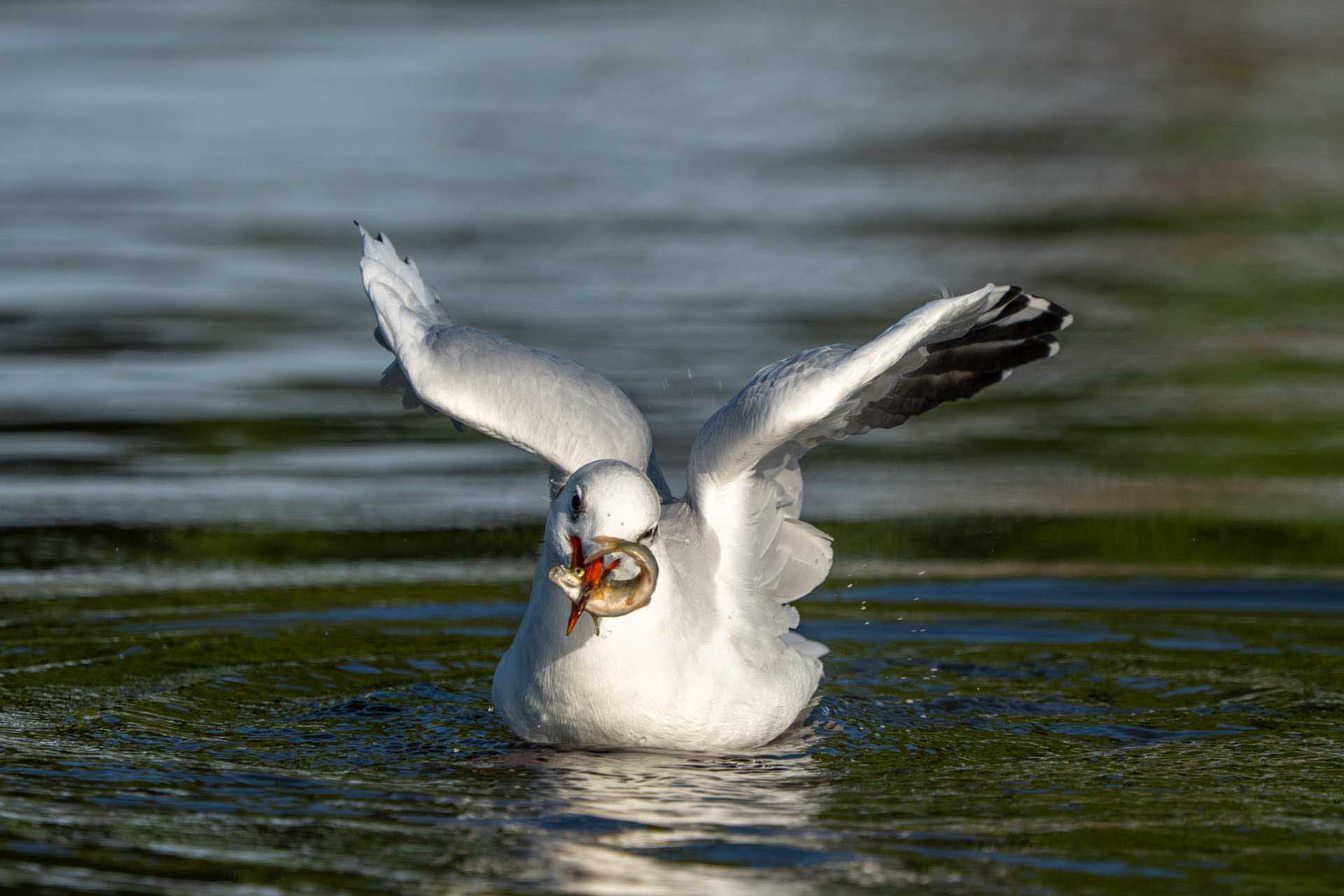
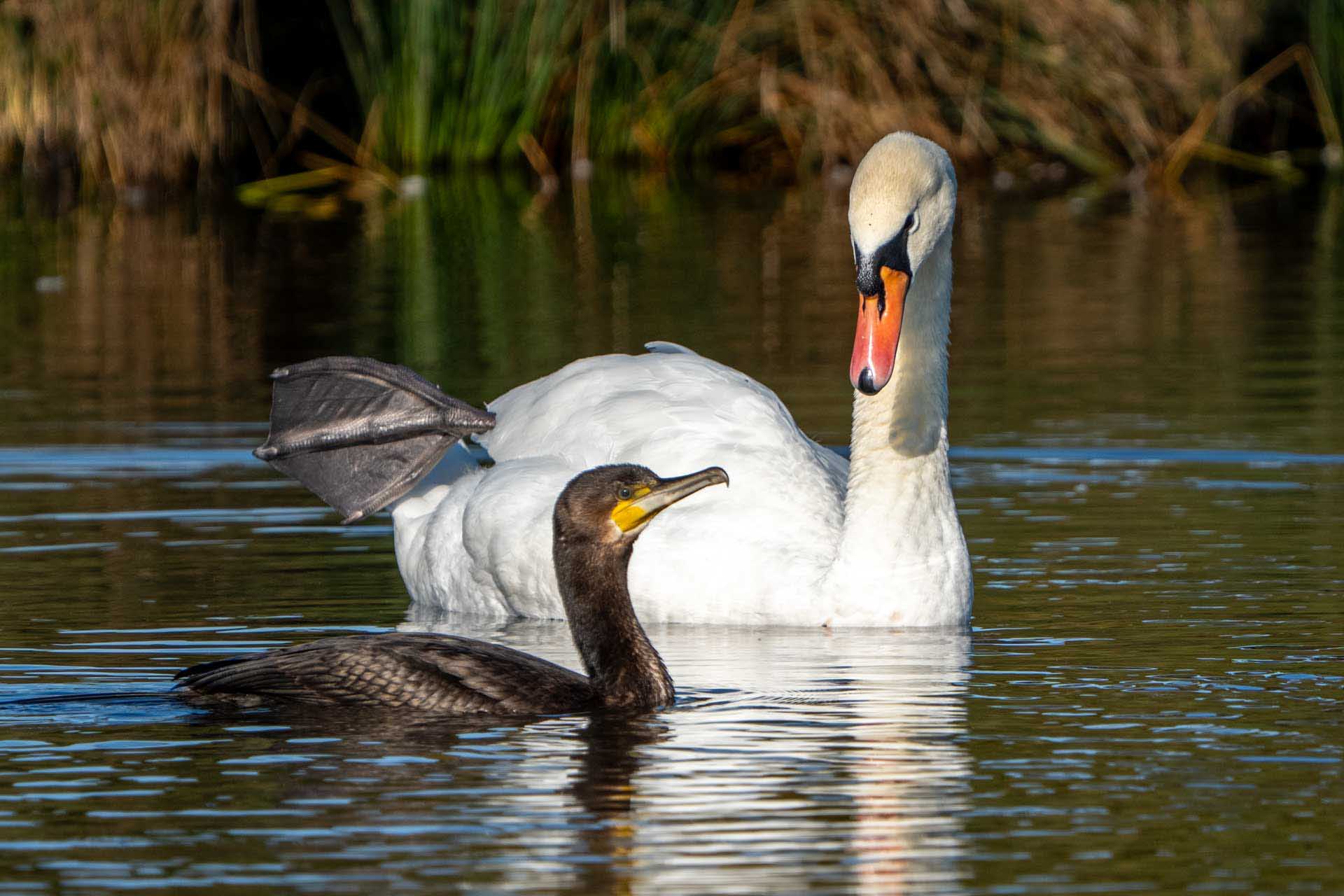
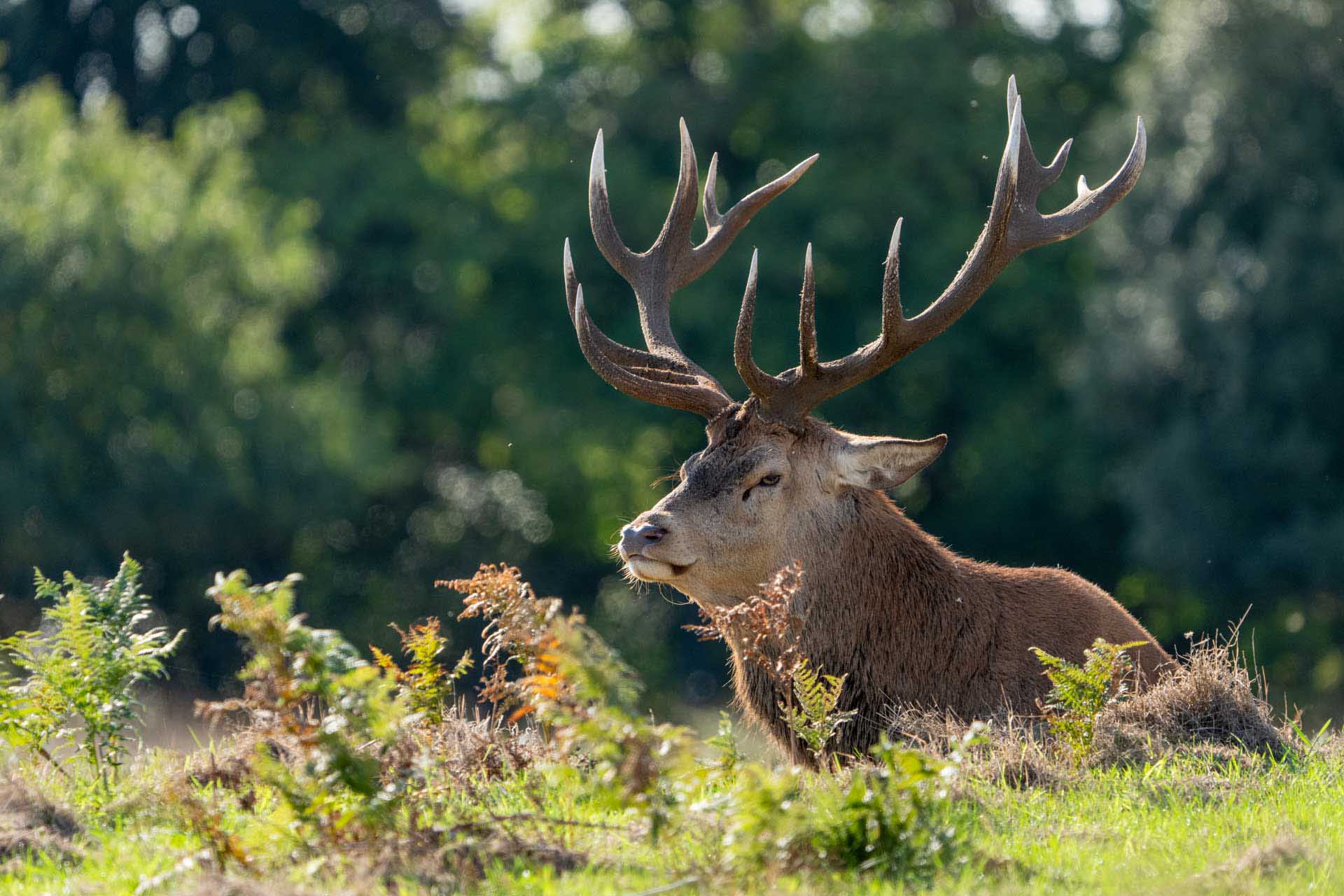
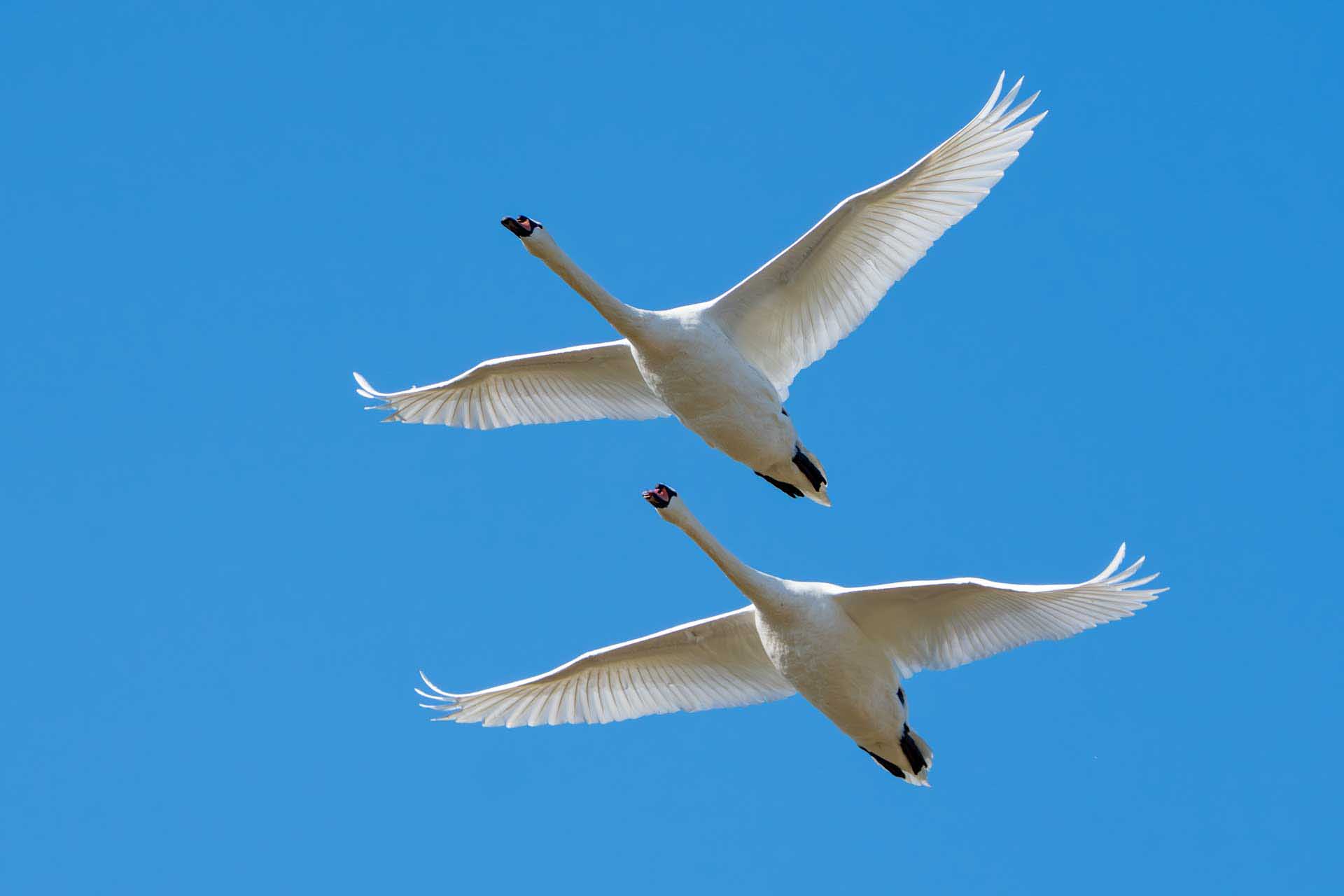
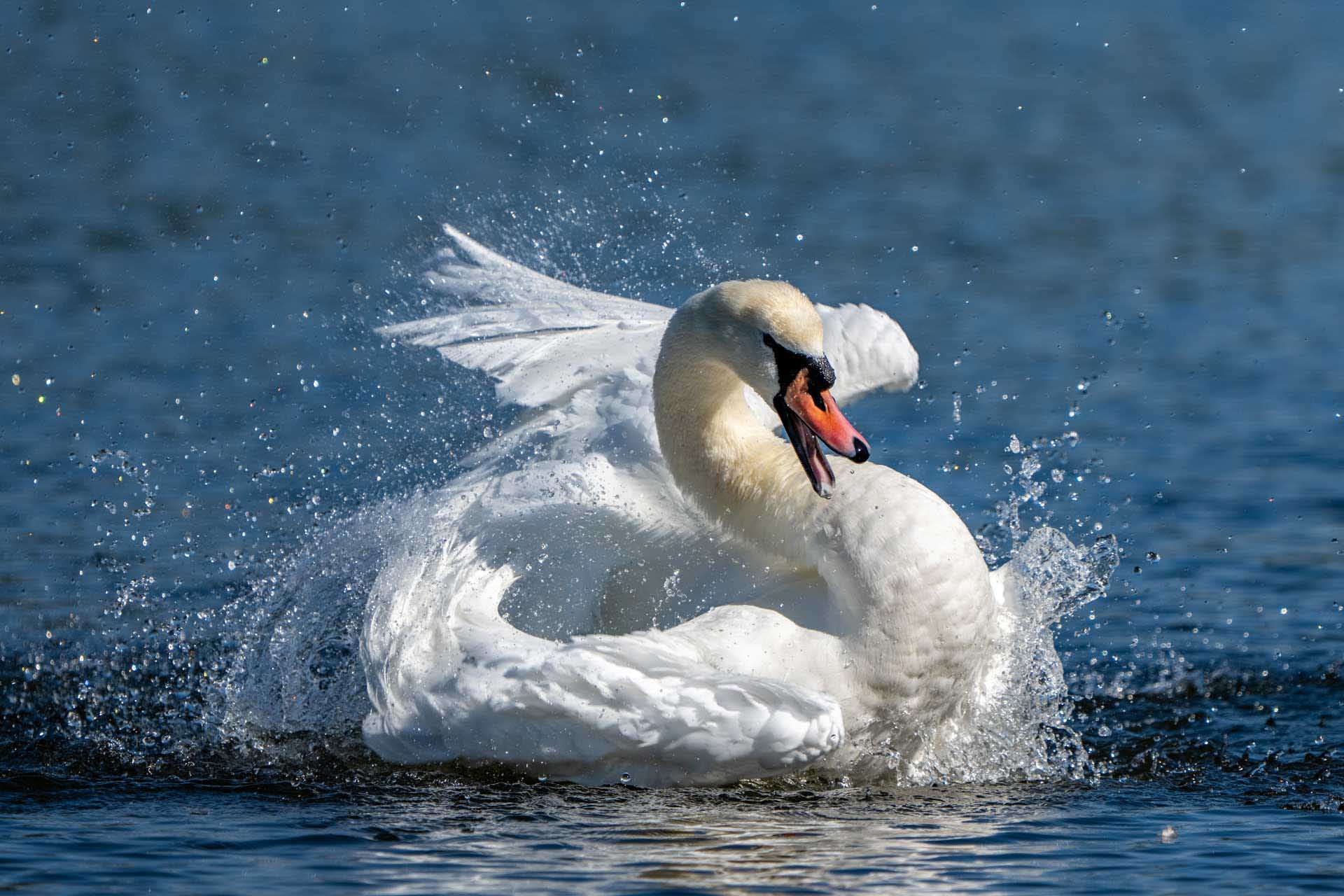
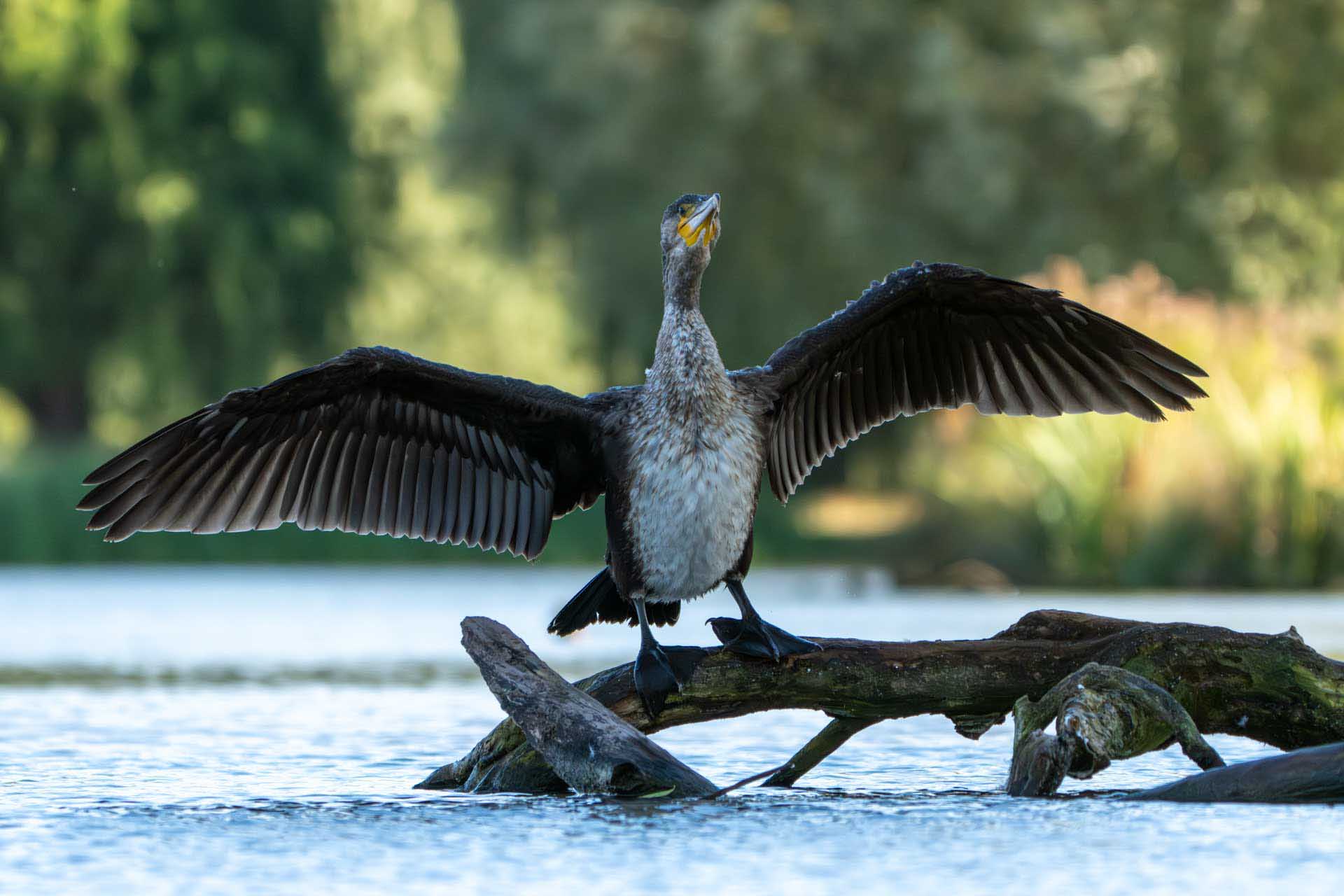
The focusing ability of the camera, both in regular shooting mode and pre-capture, enabled me to capture behaviour in ways that positively surprised me. Whether that was grabbing a shot of a bird in flight or catching a fish, tracking a moving animal, or waiting for a shot of a bird flying onto a bird feeder (yes, I did use a tripod for that), the accuracy and speed of the Alpha 1 II was amazing and enabled me to capture things I’m usually not able to with my current set-up.
In conclusion, I have bought the FE 200–600mm f/5.6–6.3 G OSS lens after this trial. And if it wasn’t for the price, I would buy the Alpha 1 II right now too, as both the lens and camera were more of an improvement than I had anticipated.