
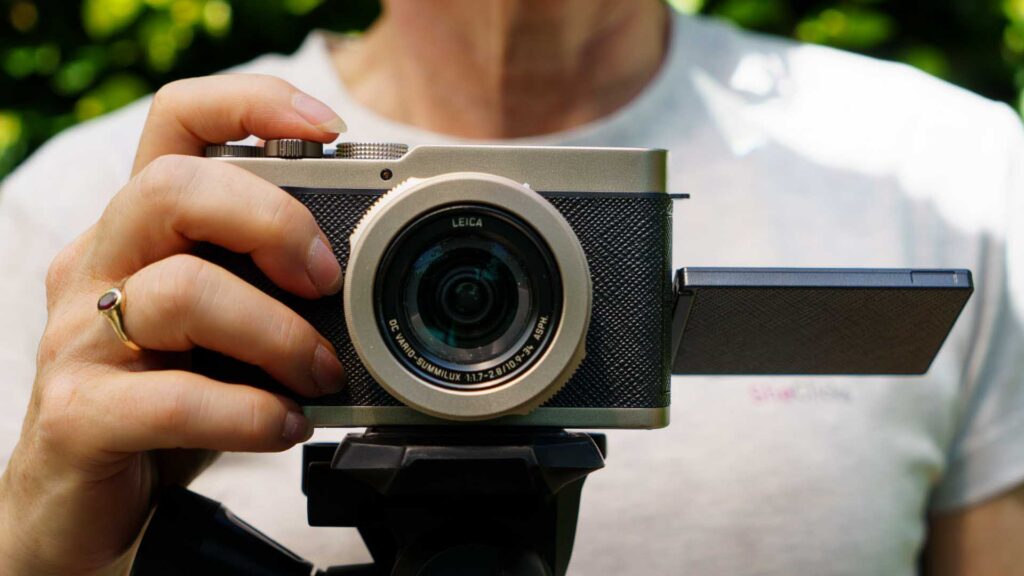
The Panasonic Lumix L10 combines several features that many photographers have been asking for: a large sensor, a bright Leica zoom lens, a built-in viewfinder and traditional controls in a compact body.
For women who enjoy travel, street and everyday photography, the Lumix L10 is a very appealing alternative to fixed focal length premium compacts. The versatile 24-75mm equivalent lens offers greater flexibility than many of its rivals, while Panasonic’s Four Thirds type sensor delivers excellent image quality in a camera that’s easy to carry all day. Add Panasonic’s excellent Real Time LUT colour system, strong video credentials and attractive styling, and the result is a camera that’s enjoyable to use and capable of producing images with real character.
While the absence of in-body image stabilisation is disappointing at this price, there’s a lot to like about the Lumix L10 and it feels like a camera designed for photographers rather than content creators or videographers.
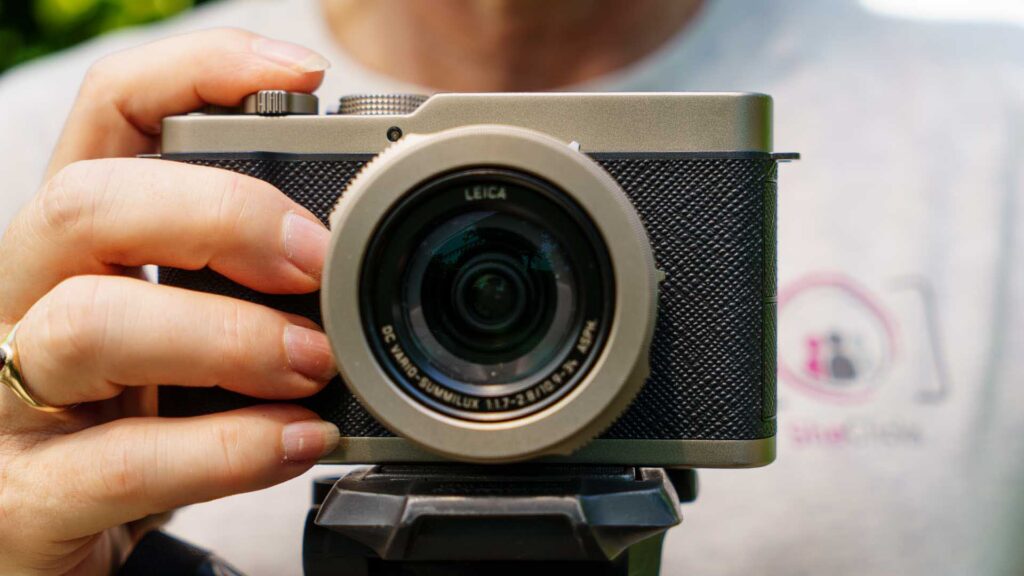
The Panasonic Lumix L10 is a premium fixed-lens compact camera designed for photographers who want good image quality, intuitive handling and creative control in a camera that can be carried every day.
Announced to celebrate 25 years of the Lumix brand, it combines a Four Thirds type sensor with a Leica-branded zoom lens and advanced imaging technology in a stylish body. Panasonic says the camera was designed to feel instinctive in the hand, allowing photographers to focus on their subject rather than the camera itself.
Unlike some premium compact cameras that feature a fixed focal length lens, the Lumix L10 offers a versatile 24-75mm equivalent zoom range, making it suitable for landscapes, travel, street photography, portraits and close-up work.
The Panasonic Lumix L10 is priced at £1,299 / $1,499 in Black and Silver. The Titanium Gold Special Edition costs £1,399 / $1,599 and is available through more limited sales channels, primarily Panasonic’s own store.
Although Panasonic originally indicated a summer 2026 release, the camera actually went on sale in May 2026, shortly after its announcement on 12th May 2026.
At £1,299, the Lumix L10 sits firmly in the premium compact camera category. That’s a significant investment for a fixed-lens camera, but the Leica-branded zoom lens, built-in electronic viewfinder, vari-angle touchscreen and strong video specification help justify the price. The Titanium Gold edition’s £100 premium feels reasonable given its exclusive finish, matching accessories and limited availability.
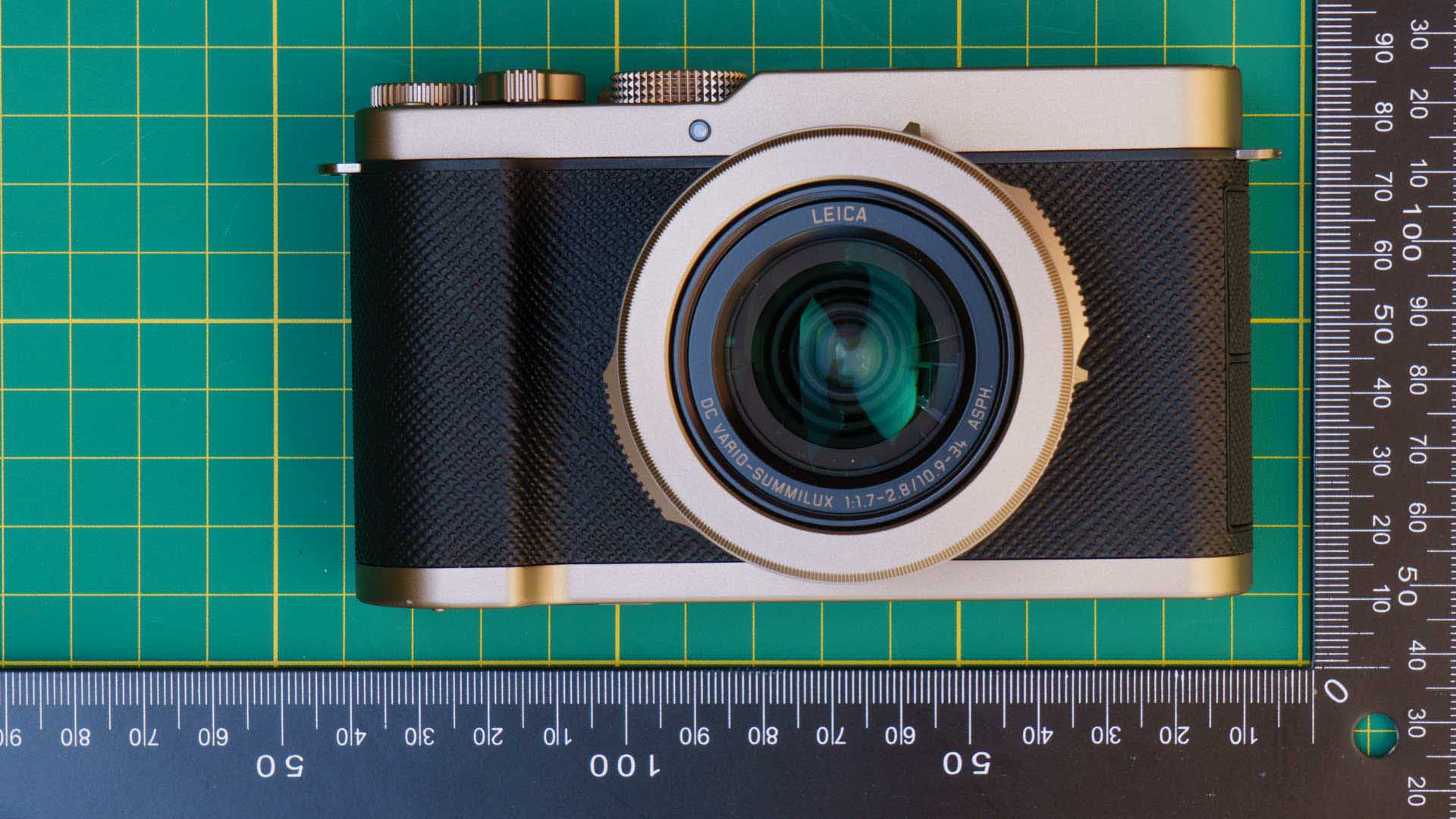
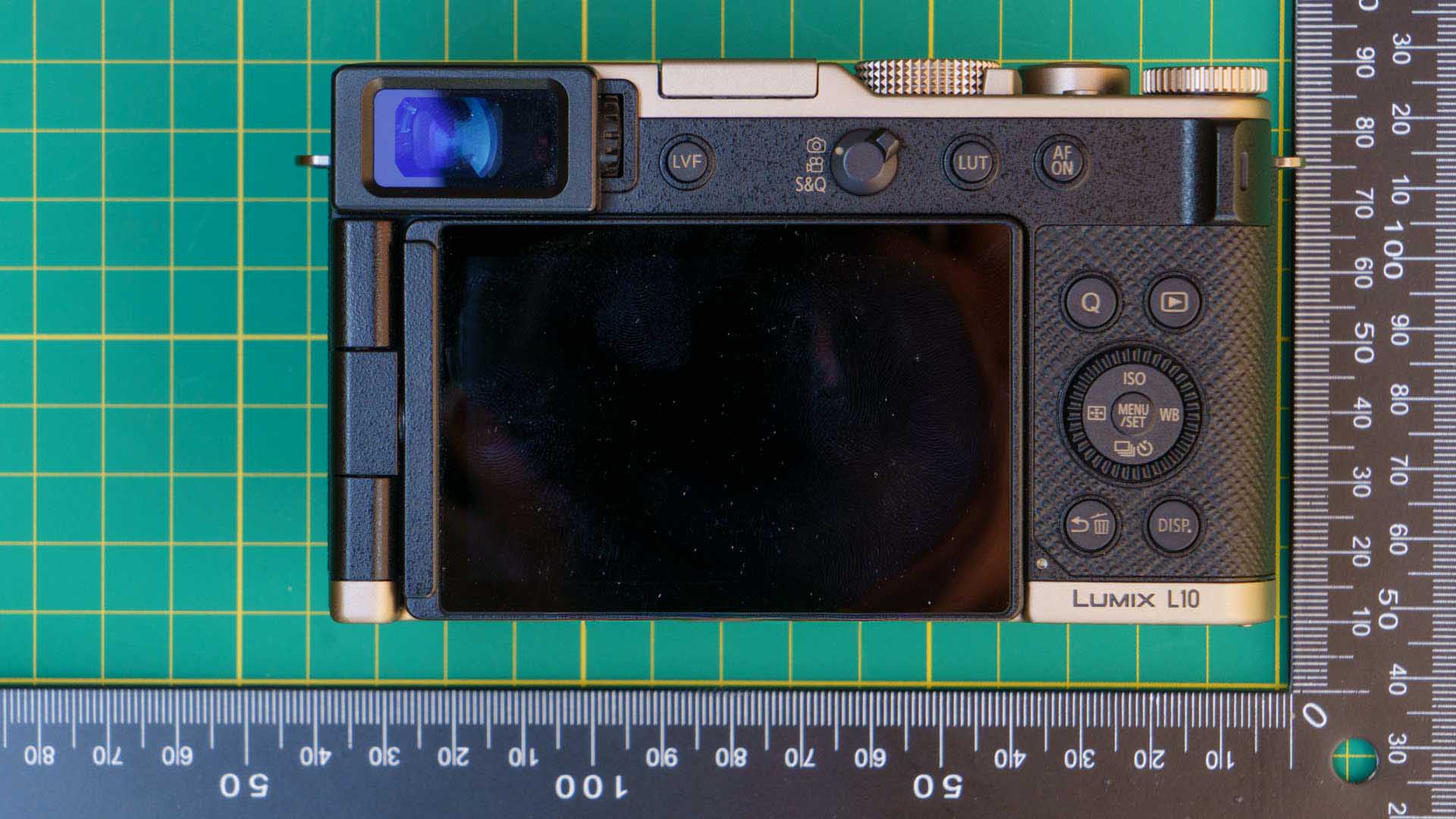
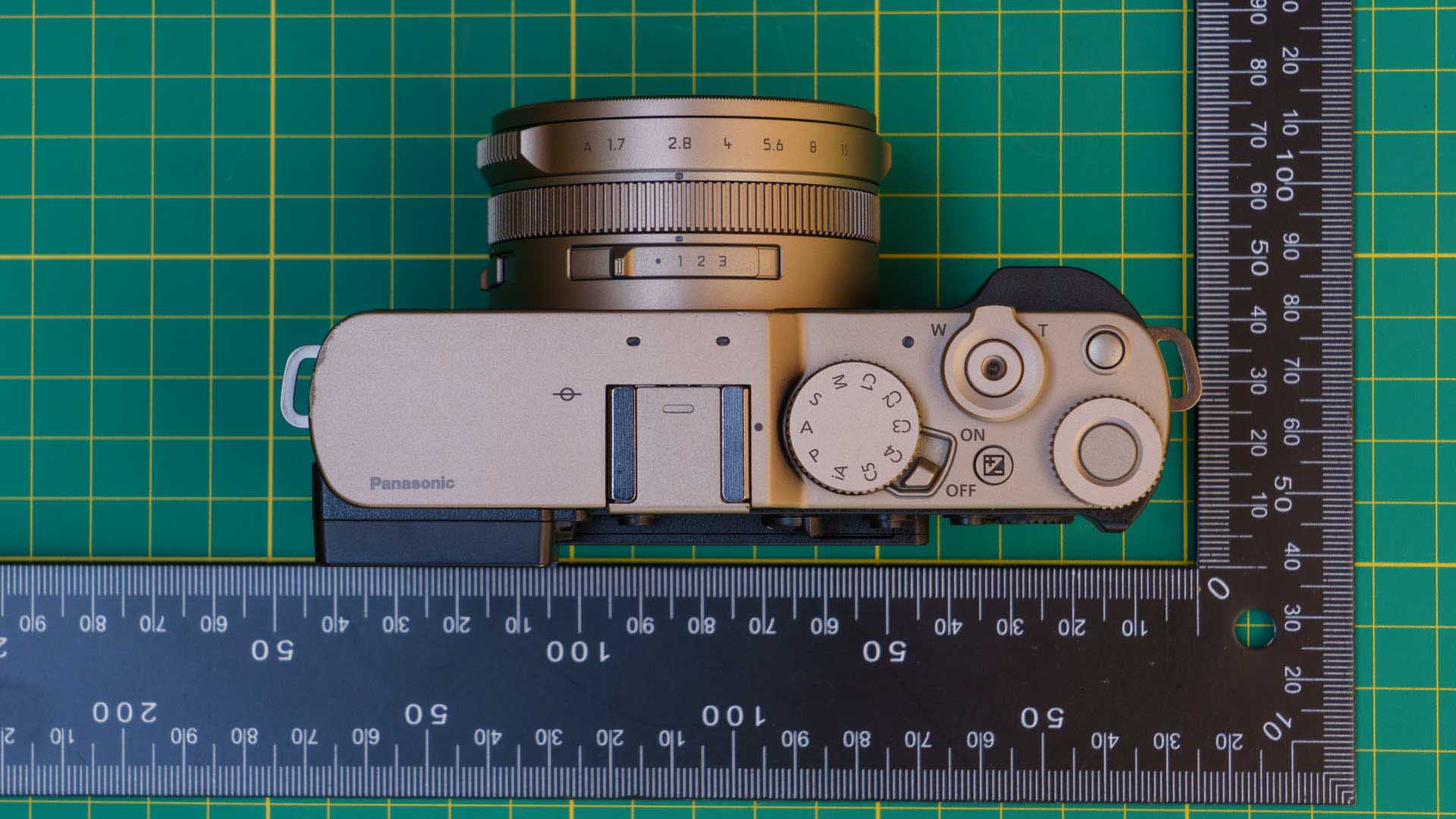
One of the Lumix L10’s most attractive features is its Leica DC Vario-Summilux lens. Although it’s likely to be the same lens was used in Panasonic’s older LX100 series, it’s a very useful optic. Offering an equivalent focal length range of 24-75mm and a bright maximum aperture of f/1.7-2.8, the lens covers many of the most popular photographic subjects while enabling attractive background blur and low-light shooting.
The lens can focus as close as 3cm at the wide-angle setting and 30cm at the telephoto setting, making it fairly useful for detail shots and creative close-up photography. Panasonic has paired the lens with a 20.4MP Four Thirds type backside-illuminated (BSI) sensor and its latest image processor, delivering attractive colour, good dynamic range and pleasing tonal transitions.
Panasonic has also equipped the Lumix L10 with its latest Phase Hybrid AF system and expanded subject recognition technology. In addition to recognising eyes, faces and bodies, the camera can detect animals, cars, motorcycles, bicycles, trains and aircraft. It also introduces Urban Sports recognition, enabling the camera to identify and track subjects involved in activities such as skateboarding, parkour and breakdancing. This is designed to help the camera maintain focus on fast-moving subjects in complex scenes.
Another of the most attractive features in the L10 is Panasonic’s Real Time LUT (Look Up Table) support. Photographers can load LUTs into the camera from the LUMIX Lab app on their smartphone or from online sources and apply them while shooting, enabling the final look to be previewed before the shutter is pressed. Two LUTs can also be layered together to create a custom look.
Read our 3 Legged Thing Axis 34 Review
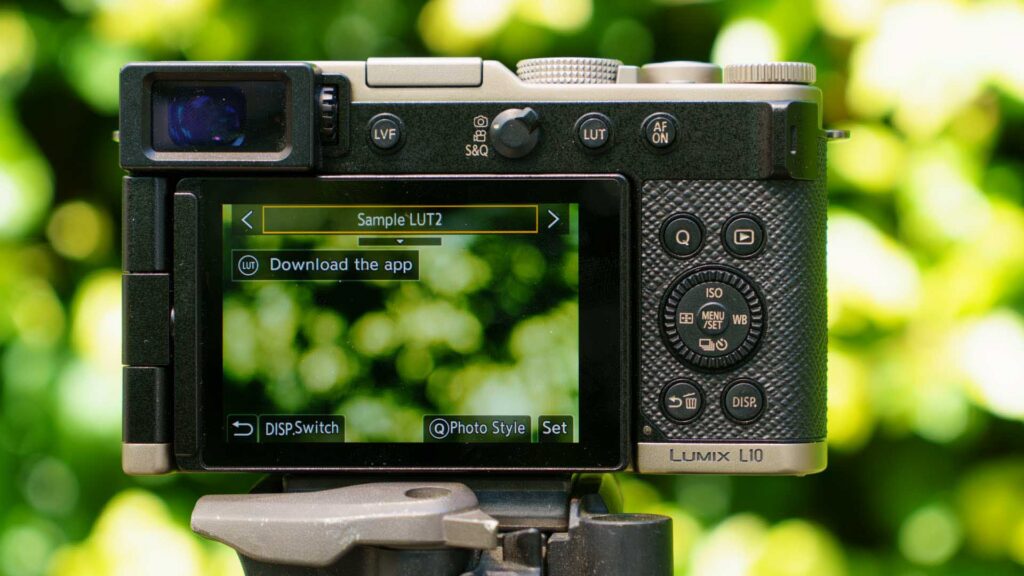
Alongside the LUT system, there’s Panasonic’s Photo Styles. During testing, I found myself returning repeatedly to the new L.Classic Gold setting. It gives images warm amber tones with slightly reduced saturation and a nostalgic quality that works particularly well for travel and street photography.
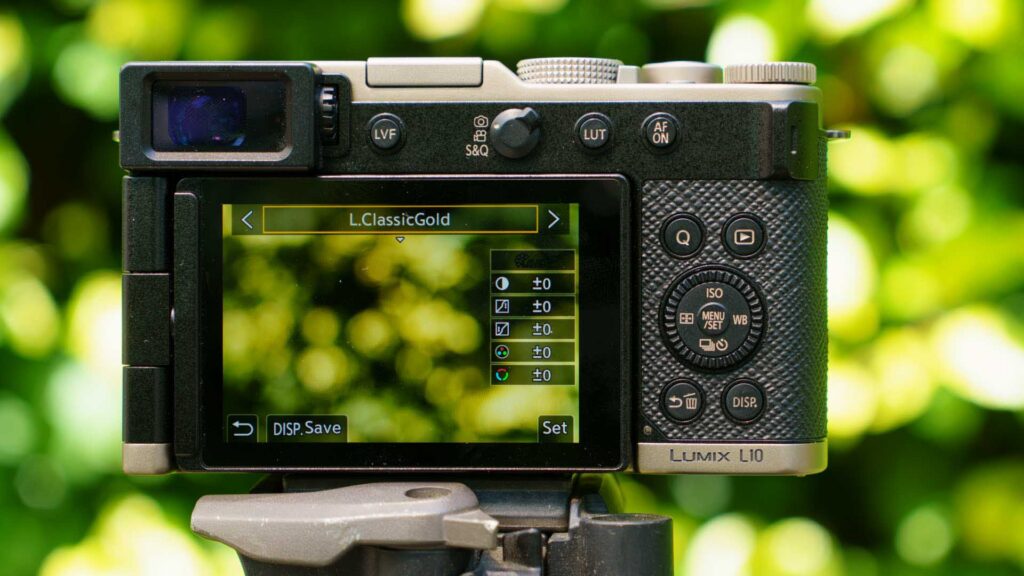
The L10’s video specifications are also strong for a compact camera, with support for recording up to 5.6K video and high-frame-rate 4K recording.
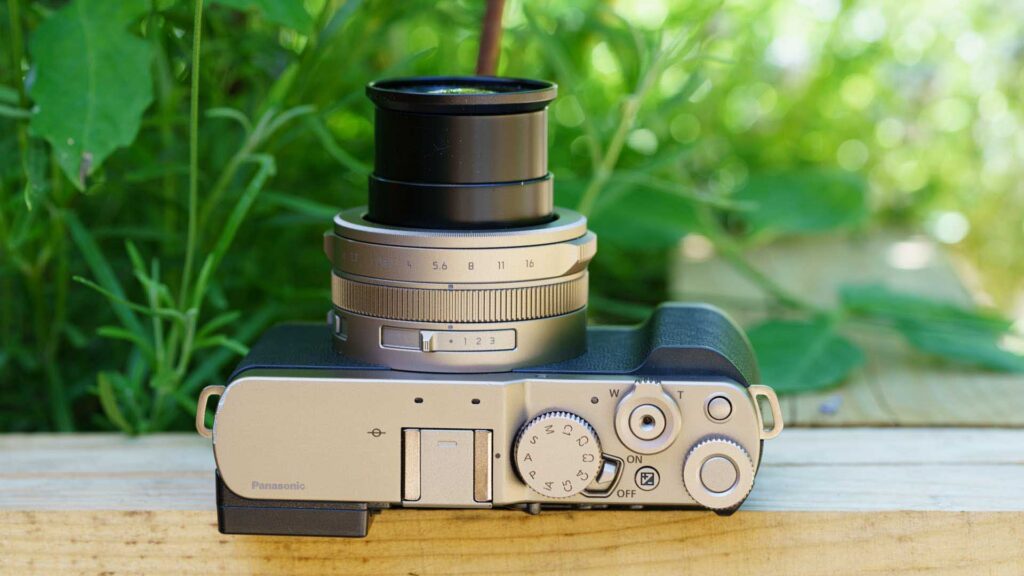
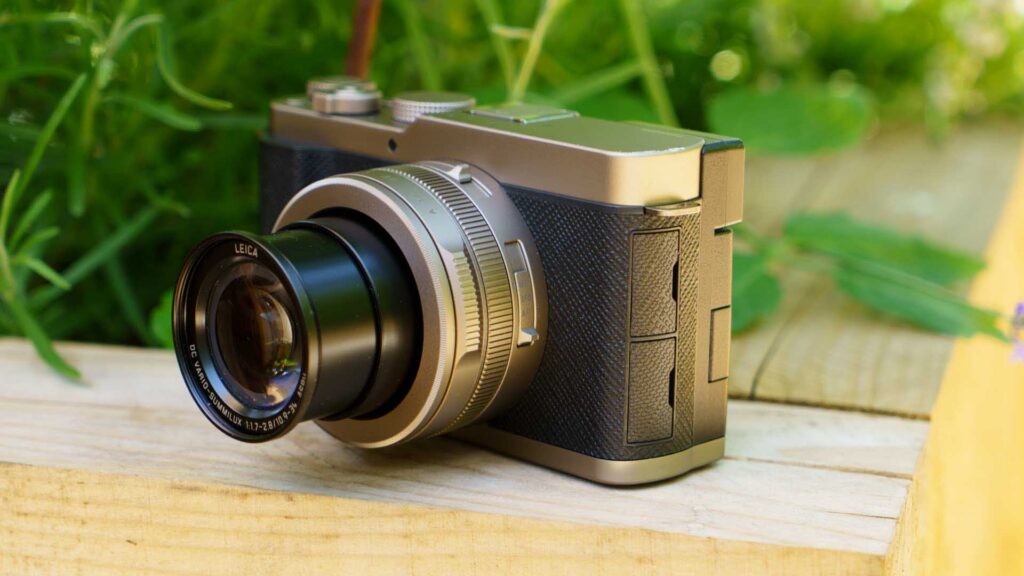
The Lumix L10 has a premium appearance that feels both modern and classic. Panasonic has used a metal exterior, including a magnesium alloy front panel and a saffiano leather-textured finish. The result is a camera that looks stylish without appearing overly retro.
I was sent the Titanium Gold edition for testing and it looks quite nice, but I’d probably go for the silver version if I were to buy one.
Weighing approximately 508g, the Lumix L10 strikes a good balance between portability and reassuring solidity. It’s easy to carry all day while still feeling substantial enough to handle confidently.
However, at 127.1 x 73.9 x 66.9mm including the lens protrusion, it’s a very similar size to the Fujifilm X100 VI (128.0 x 74.8 x 55.3mm), which has a significantly (physically) larger sensor, albeit paired with a fixed focal length lens. It’s also similar in size to the Fujifilm X-E5 (124.9 x 72.9 x 39.1mm body-only), which has the same 40MP sensor as the X100 VI and accepts interchangeable lenses. I can’t help thinking that Panasonic needs to move on from its initial reaction to criticism that its early Micro Four Thirds cameras were too small and fiddly. I think the L10 could have been smaller if Panasonic had wanted to make it so.
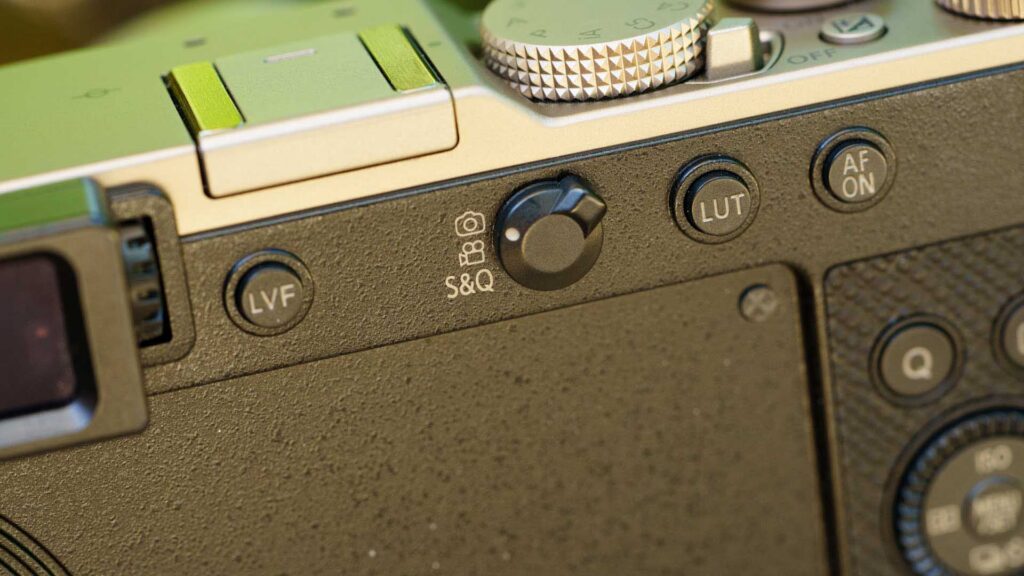
The lens features a dedicated aperture ring while the body provides direct access to key controls without going for the dedicated shutter speed, ISO and exposure compensation dials found on the Fujifilm X100 VI. The built-in electronic viewfinder is particularly welcome for shooting in bright sunlight, while the fully articulating touchscreen is useful for video, low-angle shooting and self-portraits.
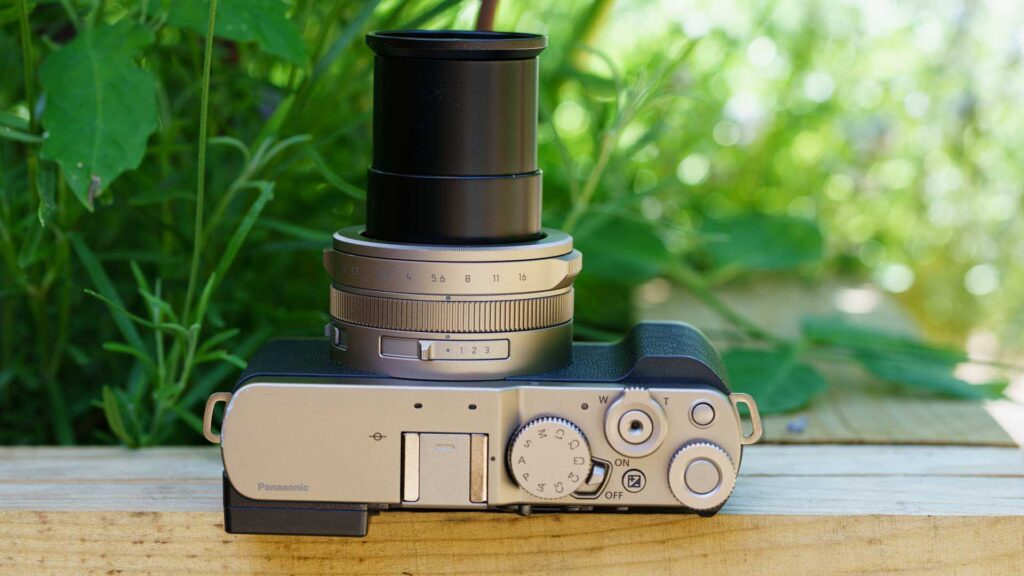
I am surprised by some of the default control assignments. The rear dial that surrounds the navigation pad, for example, is set to adjust shutter speed when using Manual or Shutter Priority mode. That feels slightly odd because there’s a command dial around the button behind the shutter release on the top plate, which feels a more natural location. By default, that top dial is assigned to select the Picture Style after pressing the button at its centre. Similarly, I’ve become accustomed to having a dedicated exposure compensation dial on enthusiast-focused cameras, whereas the Lumix L10 requires a press of a small button before a dial can be used to adjust exposure compensation. None of this is a deal breaker and Panasonic’s customisation options mean the controls can be tailored to suit individual preferences, but I found myself changing several settings quite quickly.
Strangely, although there is a switch on the side of the Lumix L10, to set the focusing to manual, auto or auto with macro focusing, there’s no physical control dedicated to selecting single or continuous AF. I customised function button 1 (FN1), which is to the bottom left of the navigation pad to access it. The default purpose of FN1 is to toggle the electronic level control on and off, I can live with that set on permanently.
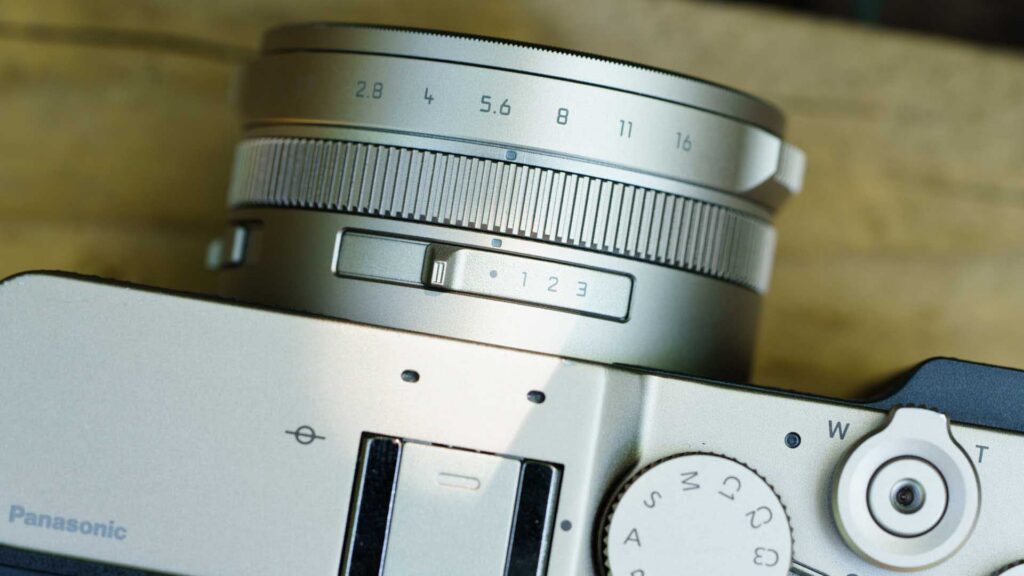
One of my favourite controls is the switch on the lens barrel. It’s marked with a dot and the numbers 1, 2 and 3, giving access to four positions. By default, it’s used to select the available aspect ratios and I’m a fan of choosing an aspect ratio before shooting because it encourages more thoughtful composition. Panasonic’s multi-aspect system in the L10 also differs from most cameras because the sensor is larger than the lens image circle, allowing the camera to maintain the same angle of view when switching between 1:1, 4:3, 3:2 and 16:9 aspect ratios.
The switch can also be customised to access one of four other features: stepped zoom, Photo Styles, Real Time LUTs or the subject detection settings. I like the flexibility this provides because different photographers prioritise different controls.
However, I am disappointed that Panasonic’s multi-aspect system means the raw files are restricted to the selected aspect ratio and you can only crop in from there. Other manufacturers allow photographers to recover the full sensor area at the processing stage. That’s especially helpful when a scene chnages unexpectedly and there’s no time to change settings before taking the shot.
One control that I missed throughout my time with the camera is a joystick. For me, a joystick is the fastest and easiest way to position the autofocus point when composing through a viewfinder. With the L10, Panasonic relies on the touchscreen or the navigation pad instead. The touchscreen works reasonably well, but if you’re a left-eye shooter like me, you’ll probably find yourself moving the AF point with your nose on a fairly regular basis. That leaves the navigation pad as the main alternative and, while it gets the job done, it simply isn’t as quick or intuitive as using a dedicated joystick.
SheClickers often ask about a camera’s multiple exposure mode and, on the L10, it’s tucked away in the Others (Photo) menu. It doesn’t allow as much control as Fujifilm or Canon cameras, but it’s straightforward to use. The first image must be captured before entering the mode and selecting Start. Subsequent images can then be overlaid using a ghostly preview to aid composition. Up to four images can be combined into a single frame.
Read our Peak Design Travel Tripod Review
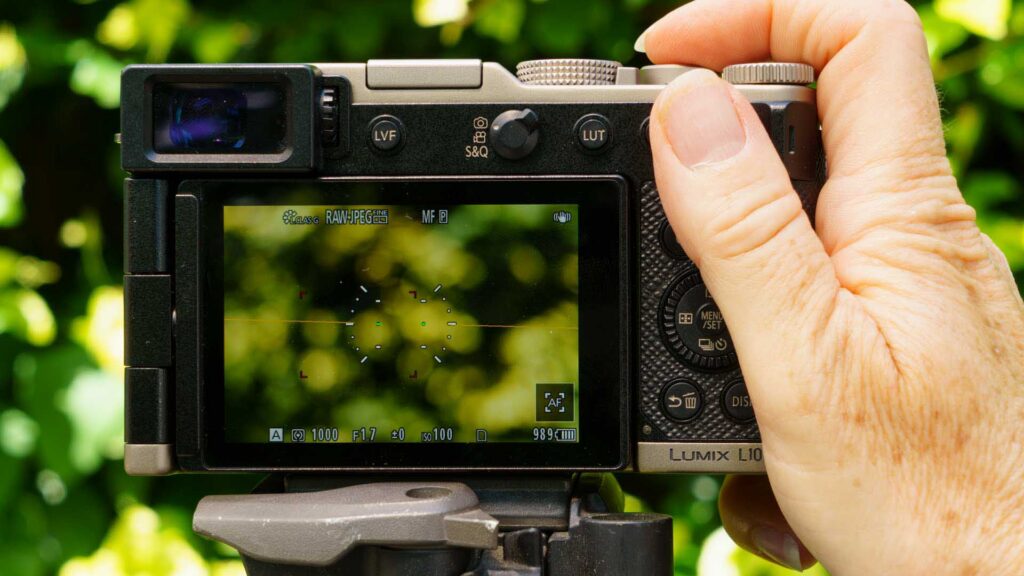
One limitation is that after the base image, only the final composite image is recorded. The second, third and fourth frames are not saved separately. Fortunately, it is possible to create a composite raw file, which gives greater flexibility than a JPEG during editing, but there’s no access to layers. The blend mode is fixed to Average and cannot be changed.
The Lumix L10’s Leica lens produces very good image quality. Sharpness is consistently good across the frame and it captures the level of detail that you would expect from a 20MP Four Thirds type sensor. It doesn’t quite reach the exceptional standards of some interchangeable lens systems, but it performs very well for a compact camera with a built-in zoom lens.
Vignetting, chromatic aberration and flare are all controlled very effectively.
The bright f/1.7 maximum aperture is particularly useful for low-light shooting because it reduces the need to push the sensitivity too high. The camera’s maximum sensitivity setting is ISO 25,600, but image quality is strongest at much lower settings.
At ISO 3200, which is the default upper limit in Auto ISO mode, the results are very good. The raw files contain some fine-grained noise, but it’s unobtrusive, while the JPEG processing applies subtle noise reduction without sacrificing too much detail.
At higher sensitivities, the JPEGs become increasingly smooth and some fine detail starts to disappear. The raw files retain more information but show a noticeable increase in noise. I would happily extend Auto ISO to ISO 6400 if necessary, but I would avoid the highest settings unless there was no alternative.
I find the dynamic range of the low ISO raw files from the L10 to be very good. I’m able to brighten shadows by up to around 3EV without any major problems with noise or colour.
Colour reproduction is one of the Lumix L10’s strongest characteristics. Although I’m happy processing raw files, I prefer to get images as close as possible to my intended final look while shooting. Being able to preview colour adjustments, Photo Styles and LUTs in the electronic viewfinder makes photography feel more immersive and encourages a more thoughtful approach to composition and storytelling.
The Real Time LUT system works especially well and gives a pleasing level of customisation. It helps the camera produce attractive, characterful JPEGs straight from the camera.
The autofocusing is fast and accurate, with reliable subject detection and tracking. Human detection works particularly well, while the wider range of recognition options makes the camera more versatile for wildlife, transport and action photography. That said, the L10 is a natural choice for sport or action photography.
The lack of in-body image stabilisation is disappointing. Lens-based stabilisation is useful, but it’s of most use with long telephoto lenses. I think many photographers would reasonably expect in-body image stabilisation at this price point.


















The Lumix L10 feels like a camera that has been designed with photographers firmly in mind. In fact, at feels like a camera that you’d be able to take the lens off because it doesn’t have a compact-camera air. The combination of a Four Thirds sensor, bright Leica zoom lens, built-in electronic viewfinder and extensive colour controls makes the Lumix L10 a highly enjoyable camera to use.
For female photographers looking for a travel companion, street photography camera or everyday creative tool, the Lumix L10 has a great deal to offer. The zoom lens gives it greater versatility than many premium compact rivals, while the Real Time LUT system encourages a more creative and immersive way of working.
While I would have liked to see in-body image stabilisation and greater flexibility in the raw files when using different aspect ratios, those issues don’t overshadow what is otherwise a very capable and thoughtfully designed camera.
The Lumix L10 successfully brings together image quality, creative control and portability. While it isn’t perfect, particularly given the lack of in-body image stabilisation, it offers a combination of versatility and photographic enjoyment that few premium compact cameras currently match.