
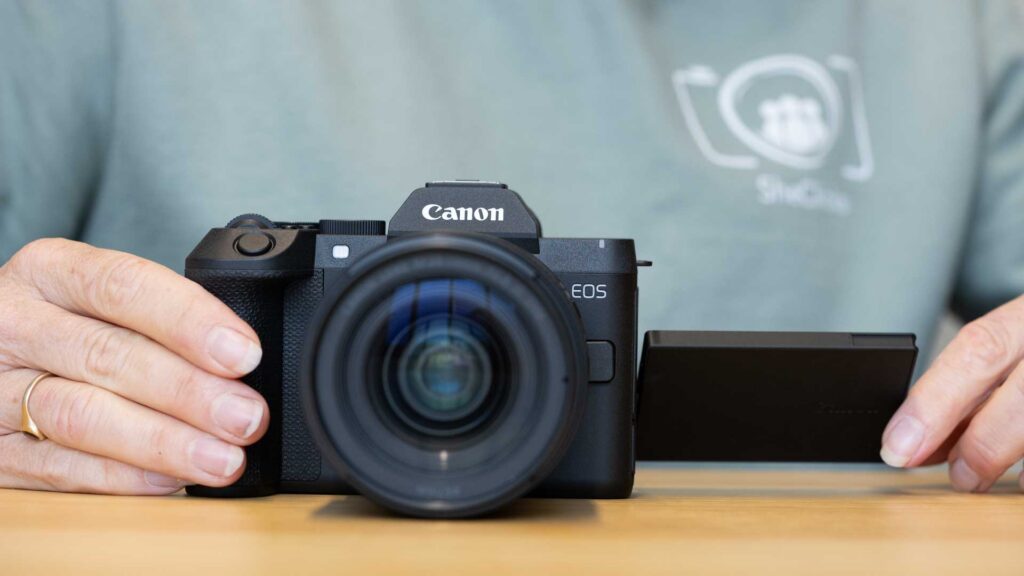
The Canon EOS R8 Mark II addresses my two main complaints about the original R8 by adding in-body image stabilisation and a joystick. It also has a deeper grip, improved subject tracking and easier access to the SD card while remaining relatively compact and lightweight. I’ve been shooting with what Canon describes as a pre-production sample, but I’ve been able to process its raw files in Adobe Camera Raw, which suggests it’s very close to final. So far, the R8 II feels like a much more rounded camera than the R8 and an appealing step up from an APS-C model.
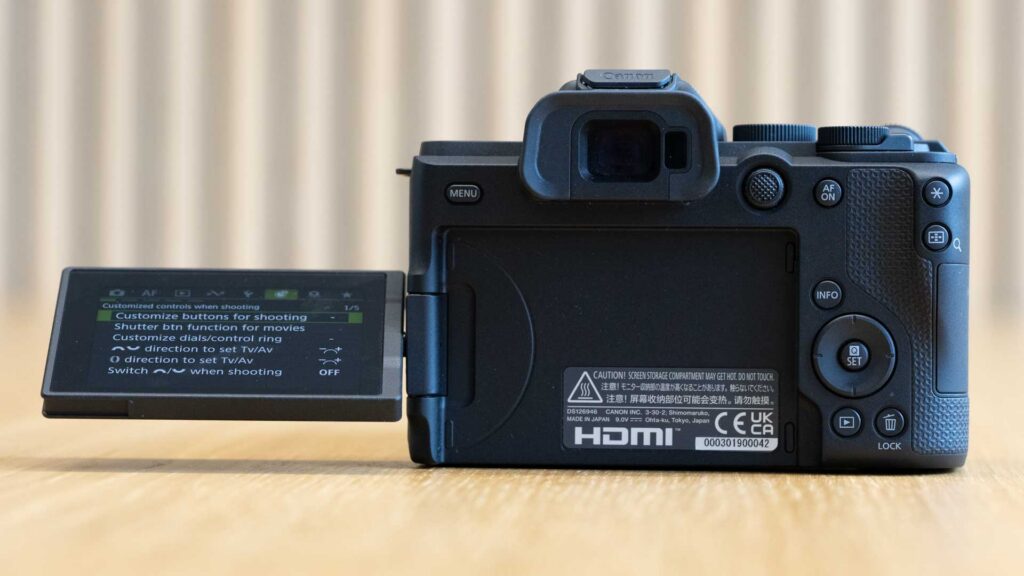
The Canon EOS R8 Mark II is a 24.2MP full-frame mirrorless camera designed primarily for photography but with a good collection of video features. It sits above the Canon EOS R8, which continues in Canon’s range, and below the EOS R6 Mark II. Canon sees it as a compact and lightweight camera for enthusiast photographers and creative storytellers, particularly those who like to travel and anyone looking to move up from an APS-C format camera.
Even at launch, the original Canon EOS R8 was attractively priced as an entry point to full-frame photography and it offered quite a bit of the technology found in the more expensive EOS R6 Mark II. However, there were two omissions that stopped it being an easy recommendation for me. The first was in-body image stabilisation (IBIS) and the second, and probably the more irritating one in everyday use for me, was the lack of a joystick on the back of the camera. I like to be able to move the autofocus point quickly while I’m looking through the viewfinder and a joystick makes that much easier, especially when a subject isn’t staying obligingly in the same part of the frame.
Thankfully, Canon has addressed both points with the EOS R8 Mark II. It now has IBIS rated at up to 7.5 stops and there’s a small multi-controller, or joystick, close to the thumb rest on the back of the camera. Canon has also made the grip a little deeper and moved the SD card slot out of the battery compartment and onto the side of the camera. None of those changes is especially dramatic in isolation, but together they make the R8 Mark II feel like a more complete camera and one that should be better suited to a wider range of photography and photographers.
Read our Canon EOS R6 Mark II Review
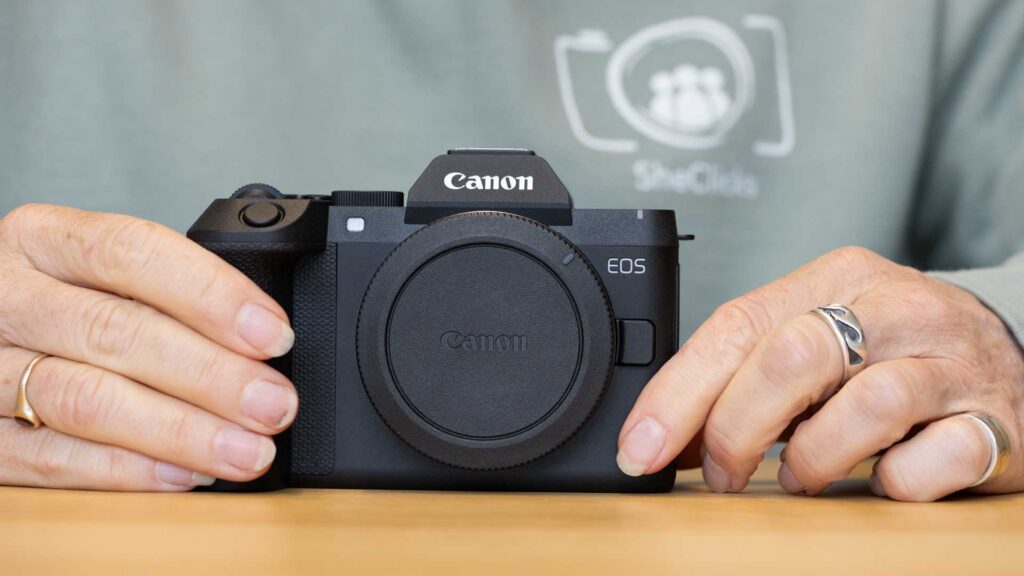
The Canon EOS R8 Mark II price is £1,729.99 / €1979.99 body-only, while the kit with the RF 24-105mm f/4-7.1 IS STM lens costs £2,119.99 / €2419.99. It’s due to go on sale in October 2026.
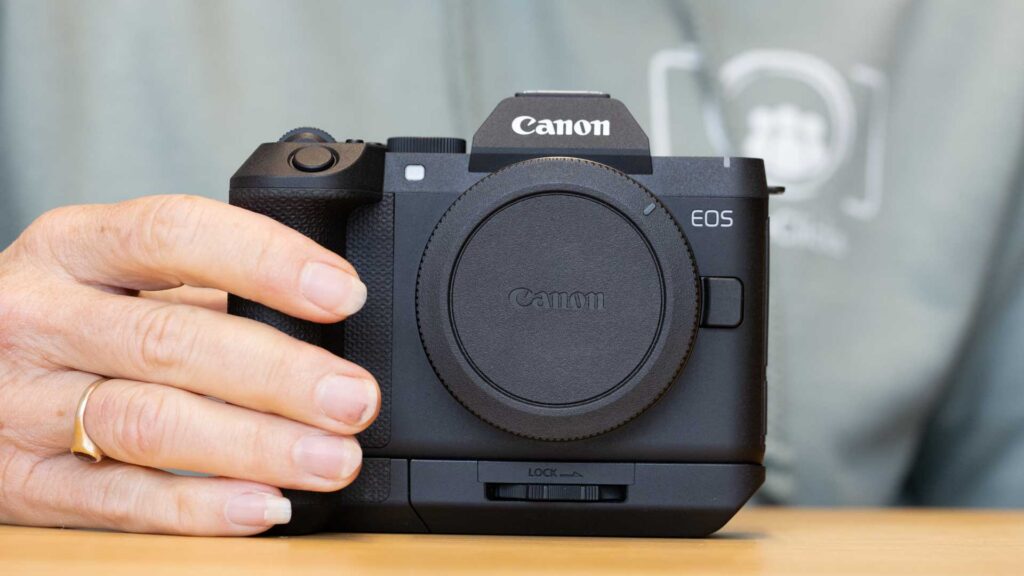
Canon is also introducing the Canon Extension Grip EG-2 for £89.99 / €99.99. This fits onto the bottom of the camera to make the grip deeper, which could be useful for photographers with larger hands or anyone who wants a bit more support when using a long or heavy lens. Helpfully, the grip has an opening underneath so you can still access the battery compartment without taking it off.
Canon has also announced the Speedlite EL-5 Version II alongside the EOS R8 Mark II. It’s priced at £399.99 / €449.99 and the main change from the original EL-5 is an updated wireless communication module that increases the claimed radio transmission range from 30m to 50m.
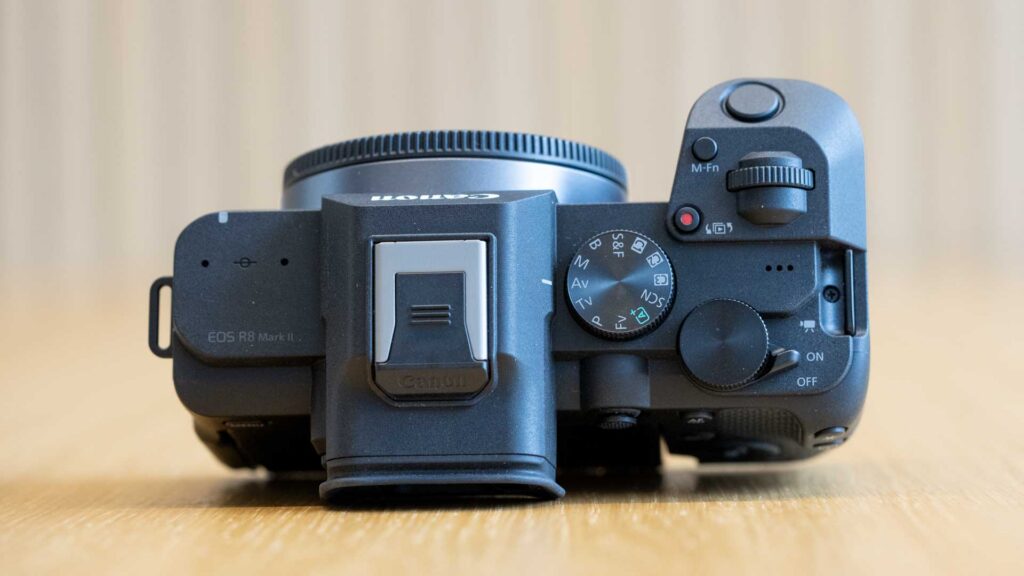
Like the original R8, the Canon EOS R8 Mark II has a 24.2MP full-frame sensor. It’s the same sensor as the one in the Canon EOS R6 Mark II, but Canon says the processor has been specifically tuned for the R8 Mark II. I’ve used the EOS R6 Mark II extensively and I think 24.2MP is a good resolution for an all-rounder-type camera. It gives a useful level of detail without generating especially large files and it allows a good balance between resolution, noise control and speed.
The Canon EOS R8 Mark II has a native sensitivity range of ISO 100-102,400 with expansion settings taking this to the equivalent of ISO 50-204,800.
One of the biggest changes from the EOS R8 is the addition of 5-axis in-body image stabilisation. Canon claims this can provide up to 7.5 stops of shutter speed compensation at the centre of the image frame and 7.0 stops at the periphery, measured to the CIPA 2024 standard with the RF 24-105mm F2.8 L IS USM Z at 105mm. It can also work in tandem with the optical image stabilisation in compatible lenses. That’s a very welcome addition for a camera that Canon is pitching at travellers because there are plenty of occasions when I don’t want to carry a tripod. Stabilisation can make the difference between being able to hand-hold the camera at a reasonably low ISO setting and having to push the sensitivity higher than I’d like, and it’s also useful when shooting video. As a female photographer who often carries a camera and a couple of lenses for hours, I’m very keen on anything that lets me leave unnecessary weight at home without restricting the type of images I can shoot.
The Canon EOS R8 Mark II can shoot at up to 40 frames per second (fps) using its electronic shutter and the fastest available electronic shutter speed is 1/16,000 sec. There’s also pre-continuous shooting, which requires the camera to be in its H+ shooting mode and switches it to the electronic shutter when it’s enabled. Once active, the camera can save up to 20 images from the half second before the shutter button is fully pressed and the number of pre-captured images isn’t user-configurable. That could be very useful for unpredictable subjects such as birds taking off, dogs jumping into water or children suddenly doing something interesting because it gives you a little insurance against pressing the shutter a fraction too late.
The Canon EOS R8 Mark II has Dual Pixel CMOS AF (autofocus) II technology with subject detection for people, animals and vehicles. Canon says the R8 II has improved subject tracking over both the EOS R8 and EOS R6 Mark II and the autofocus system is claimed to operate down to -7.5EV, matching the quoted low-light focusing sensitivity of the EOS R1 and EOS R3. There’s also Register People Priority, which works for stills and video and lets you register up to 10 people for the camera to prioritise when focusing. In addition, up to 10 files of 10 registered faces can be saved on a memory card, giving the potential to store details for up to 100 people. That could be particularly useful for weddings, events and family photography where there may be lots of faces in the frame but one person matters more than the others.
Canon has also added two new colour filters called Negative Filmtone and Positive Filmtone. Negative Filmtone reduces contrast and brightens darker areas while Positive Filmtone increases contrast and intensifies the darker areas. There are also three user-defined Picture Style slots available in the menu and Picture Styles can be uploaded to the camera using Canon’s EOS Utility software. That’s useful for anyone who likes to get a particular look in-camera rather than starting every image from scratch at the editing stage.
The EOS R8 Mark II also has focus bracketing and it can capture between two and 999 images in a sequence with the focus increment set from one to 10. Exposure smoothing and Depth Composite can be enabled or disabled, so there’s the option to have the camera combine the images as well as retain the source files. Multiple exposure shooting is also available and up to nine images can be combined using one of four blend modes. These features are useful for a range of subjects, but focus bracketing is particularly handy for close-up, macro and landscape photography where it can be difficult to get everything that you want sharp within the available depth of field.
Although Canon describes the EOS R8 Mark II as a photo-first hybrid camera, it also has a decent video specification. It can record uncropped 4K video at up to 60p with the footage oversampled from 6K, while Full HD video can be recorded at up to 180fps for slow motion playback. There’s Canon Log 3 for anyone who wants more scope for colour grading and a tally lamp makes it easy to see when the camera is recording. Four-channel audio is also supported with compatible equipment such as a Tascam adapter and the R8 Mark II can be used with Canon’s three virtual reality lenses.
Read Our Canon EOS R6 Mark III Review
Defocus is another interesting new video feature on the R8 II. This needs to be assigned to a button and it can then be used to create a controlled transition from a focused subject to a defocused image. The speed of the transition and the degree of defocus can be adjusted. Canon describes this as an autofocus feature rather than a post-capture or computational blur effect, and I can see it being useful as a transition at the end of a clip.
The R8 Mark II also has Canon’s Movie for Close-up Demo mode, which is designed for anyone presenting an object to the camera. With this enabled, the camera gives priority to the product held towards the lens and then shifts the focus back to the presenter once the object is moved away. It’s a feature aimed more at content creation than conventional filmmaking, but it’s useful to have it there in a camera that’s designed to cover both stills and video.
Canon is also launching its Dual Pixel 3D Converter App for Windows, which will initially be free. The camera can add distance information that can be used by the software to create a 3D image. The software is compatible with cameras that can capture Dual Pixel Raw files. There are some requirements regarding the shooting distance, the amount of detail captured and the separation between the subject and background, so it’s not simply a case of feeding any image into the software, but it’s an interesting extension of the information that Canon’s Dual Pixel technology can record.
For connectivity, the Canon EOS R8 Mark II has both 2.4GHz and 5GHz Wi-Fi along with Bluetooth and compatibility with Canon Camera Connect. There’s also USB-C for charging or powering the camera and UVC support for webcam use at up to 4K 60p. Clean video can be output through the camera’s micro HDMI port for external recording.
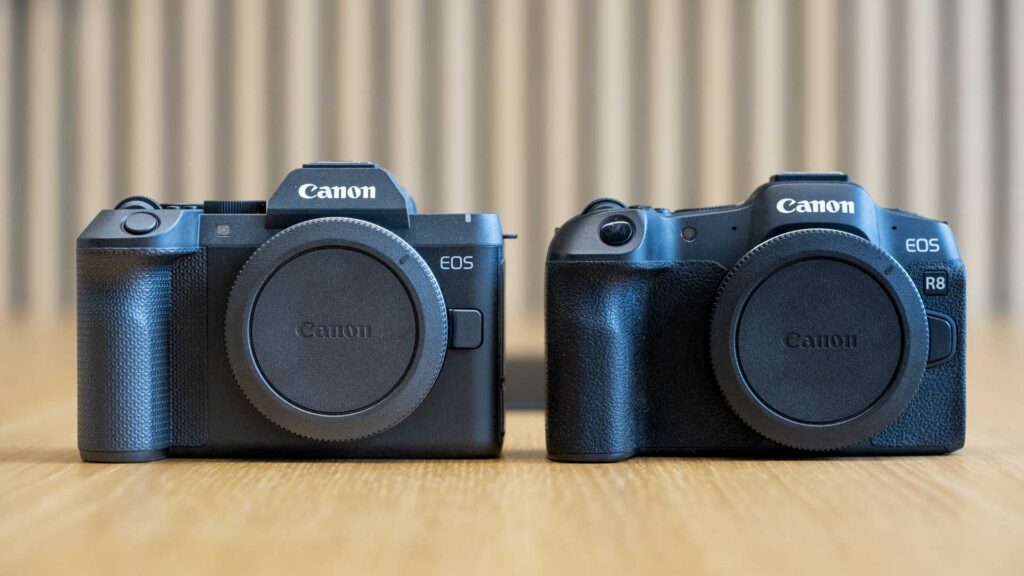
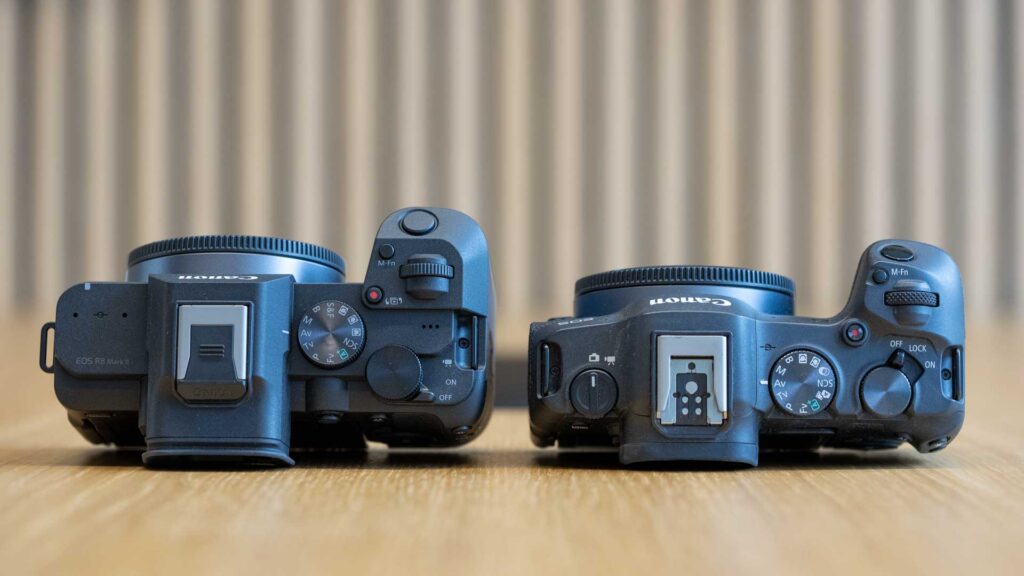
The Canon EOS R8 Mark II has a new body design rather than Canon simply squeezing the extra technology into the existing R8 shell. Its styling is a little more angular, with flatter areas either side of the viewfinder bump and cleaner lines than we’ve seen on many recent Canon cameras. Canon says the design takes inspiration from its heritage but isn’t intended to be retro and there isn’t one particular historic model that it’s based upon. To my eye, it still looks like a modern EOS camera, just with a slightly different character.
More importantly, the grip is deeper and larger than the one on the R8. That’s a good move because while a small camera is lovely to carry, I still want something substantial enough to get hold of properly, especially when I’m using a longer lens. I think that point is particularly relevant for women photographers because there’s sometimes an assumption that smaller hands mean we automatically want the smallest grip possible. I don’t. I want a camera that feels secure and comfortable in my hand, but I also appreciate keeping the size and weight down when I’m carrying it for a whole day. The R8 Mark II seems to strike a better balance than the original R8 in that respect.
Canon quotes dimensions of 131.4 x 90 x 79.7mm for the R8 II, and it weighs 499g without the battery and memory card or 546g with them fitted. That makes it 85g heavier than the EOS R8, but the extra weight is understandable given the addition of in-body image stabilisation and the R8 Mark II is still lighter than the EOS R6 Mark II.
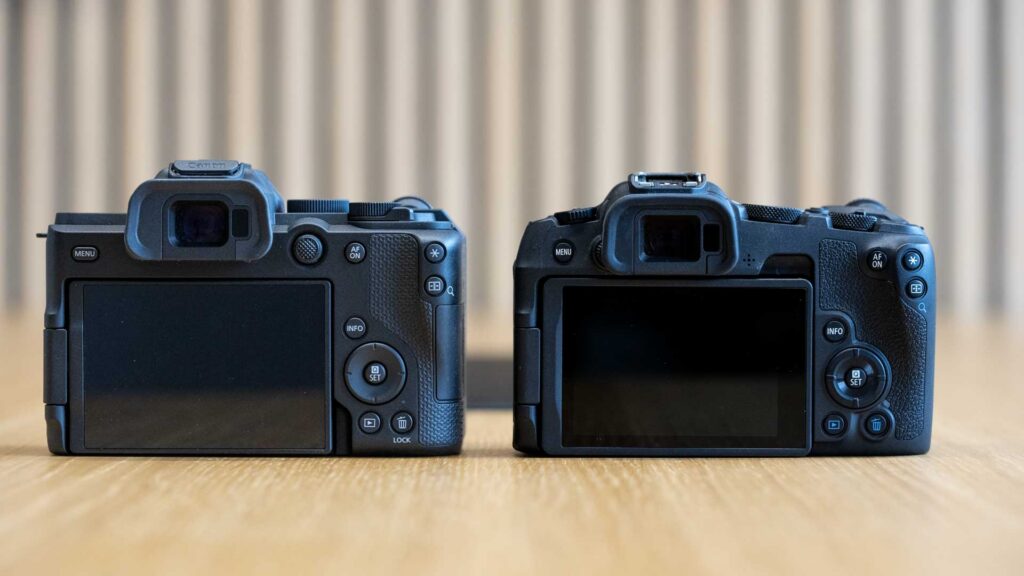
The biggest improvement to the handling for me is the addition of the joystick on the back of the R8 II. Canon calls it a multi-controller, but whatever you call it, it means you can move the active autofocus point around the frame quickly while keeping the camera to your eye. It’s also useful for navigating the menu. I missed this control on the original R8 because it’s such a simple thing that makes a big difference to how quickly you can react to a changing subject. Touchscreen AF point selection works well in many situations, but I still prefer a physical joystick when I’m looking through the viewfinder, particularly when photographing wildlife or action.
There’s also an integrated Off, stills and movie switch rather than a separate stills and video selector. Canon is aiming the R8 Mark II at photographers who want something straightforward to use without buttons and dials covering every available surface, but it hasn’t gone so far down the simplification route that it’s removed the controls that make a camera faster to use. The joystick is a good example of that balance because it adds very little physical clutter but makes the camera much more enjoyable to operate.
Another useful change is the location of the memory card. On the EOS R8, the single SD card shares the battery compartment, but the EOS R8 Mark II has a dedicated card door on the side of the camera. It’s a much more convenient arrangement, especially if the camera is mounted on a tripod because you don’t need to remove it from a plate or support to change the card. There’s still only one SD card slot though, so anyone who needs the reassurance of recording simultaneously to two cards will need to look higher up Canon’s range. That’s one of the areas where the EOS R6 Mark II retains an advantage.
Read Our Canon EOS R5 Mark II Review
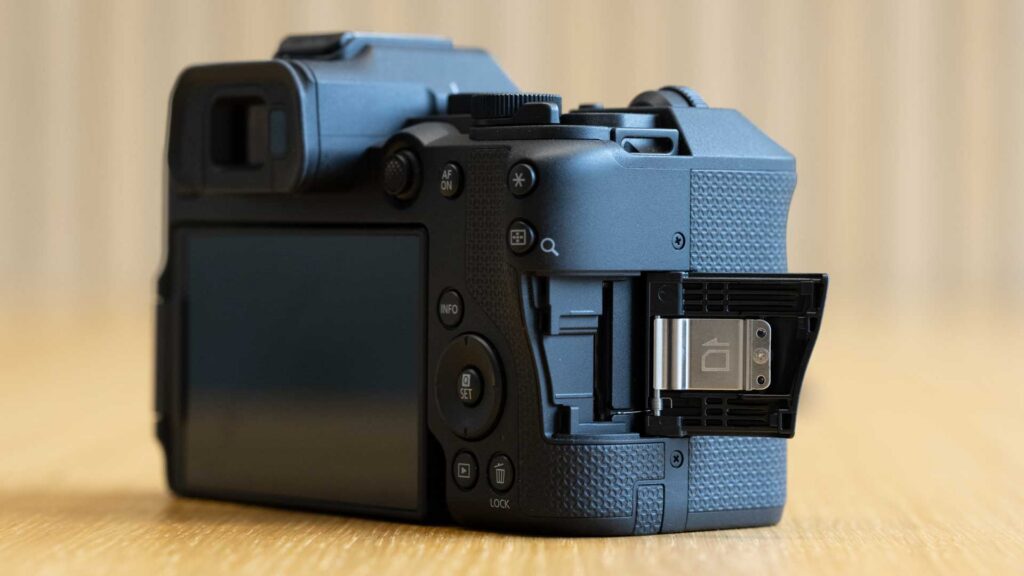
Canon has carried over the EOS R8’s electronic viewfinder (0.39-inch OLED with 2.36 million dots) and the 3-inch, 1.62 million dot vari-angle rear screen for the EOS R8 Mark II, so there isn’t an improvement in their specification. I’d always welcome a higher-resolution viewfinder, but neither display struck me as a problem during my time with the camera and using the same units has presumably helped Canon keep a lid on the size and price. The weather sealing is also at the same level as the R8, which means there’s some protection from the elements but it doesn’t match the EOS R6 Mark II.
The EOS R8 Mark II continues to use the LP-E17 battery and Canon rates it for around 220 images when the electronic viewfinder is used. That isn’t especially generous and I’d want at least one spare battery if I was heading out for a full day’s photography. It’s another point of distinction between the R8 Mark II and the R6 Mark II, which uses a larger battery as well as having two memory card slots and better weather sealing.
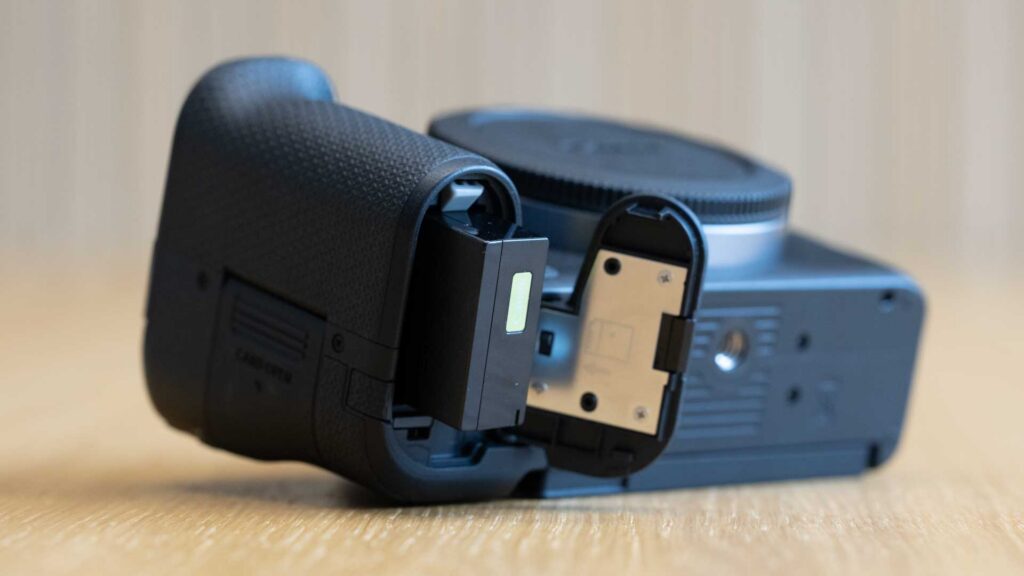
Canon told me that the EOS R8 Mark II I’ve been using is a pre-production sample, so I’m keeping that in mind when assessing its performance. However, I’ve been able to open and process its raw files in Adobe Camera Raw, which suggests the camera and its file format are very close to final, if they aren’t actually final already. Consequently, this is more than a hands-on preview based on holding the camera for a few minutes, although I’m still going to reserve the final score until I’ve used a production version in a wider range of situations than around Canon Europe’s HQ.
The EOS R8 Mark II has the same 24.2MP full-frame sensor as the EOS R6 Mark II, although Canon says the processing is specifically tuned for the R8 II. That means my experience with the R6 II provides a useful reference point, but I don’t want to assume that the JPEG processing, noise reduction or colour will be identical. With the EOS R6 Mark II, I find the auto white balance tends to produce slightly warm results that generally look attractive and the evaluative metering system does a good job of balancing the exposure across the frame while paying attention to the subject. My initial impressions of teh R8 II suggest this performs in a similar way.
The Canon EOS R6 Mark II’s 24.2MP sensor also delivers a good level of detail while controlling noise well. I’ve been happy with the images it produces at ISO 12,800 and while the in-camera noise reduction smooths some fine detail in JPEGs, the raw files retain more information and give greater scope for balancing noise against detail during processing. I’ve also found that underexposed low ISO images, or darker areas within images, can usually withstand brightening by around 3 to 4EV before noise becomes intrusive. Those results give me a good idea of what to look for with the R8 Mark II and the fact that I can already process its raw files means I’m able to make a much more meaningful assessment than I could if I were restricted to JPEGs.
I’m particularly interested in the Canon EOS R8 Mark II’s autofocusing because Canon says its subject tracking has improved over the EOS R8 and EOS R6 Mark II. With the R6 II, I find the autofocusing fast and accurate in most situations and its subject detection makes photographing people, birds and other animals much easier. The Eye detection works across focus modes and focus areas and it’s usually very quick to spot and follow a suitable subject as it enters the frame.
Naturally, no subject detection system gets everything right and I’ve seen the EOS R6 Mark II become distracted when photographing ducks splashing around on water, occasionally latching onto the splash rather than the bird. Situations like that are a useful test for the R8 Mark II because they show whether the improved tracking really makes a practical difference rather than simply looking better on a specification sheet. I was able to test the R8 II with a few birds at Canon’s UK HQ and found it to be very good at locating them in the scene and latching onto an eye. However, I want to do more extensive testing before making any firm conclusions.
The new joystick also makes it easier to intervene when necessary because I can quickly position the autofocus point or area where I want it instead of relying entirely on the camera’s subject selection.
The R8 Mark II’s ability to focus down to -7.5EV also sounds promising for low-light photography, but there’s a difference between an autofocus system being capable of achieving focus at a very low light level and the autofocusing being quick and decisive. That’s something I’ll continue to look at because it’s particularly relevant to travel, events and social photography where light levels can drop quickly and you don’t necessarily want to add flash.
I’m also keen to test the EOS R8 Mark II’s 7.5-stop stabilisation system more thoroughly. The EOS R6 Mark II’s 5-axis stabilisation system is rated at up to 8 stops and I’ve had surprisingly good results when shooting hand-held video with the RF 100-500mm F4.5-7.1L IS USM. Naturally, resting my elbows on something solid delivers the best results, but I’ve even managed acceptable footage at the 500mm end of the lens. The R8 Mark II isn’t quite as highly rated, but simply having IBIS makes it much more appealing to me than the original R8 and it gives the camera greater flexibility with unstabilised lenses as well as when shooting video.
The combination of stabilisation, 40fps shooting, pre-continuous capture and the new joystick changes the character of the R8 line quite significantly. The original R8 always had plenty of technology inside it, but some aspects of its handling reminded me that it sat towards the entry point of Canon’s full-frame range. The R8 Mark II feels considerably less compromised and, although Canon doesn’t see it as a direct upgrade target for every existing R8 owner, it’s a much stronger proposition for anyone moving up from an APS-C camera or looking for a lighter alternative to the EOS R6 Mark II.
Canon EOS R8 Mark II Sample Images
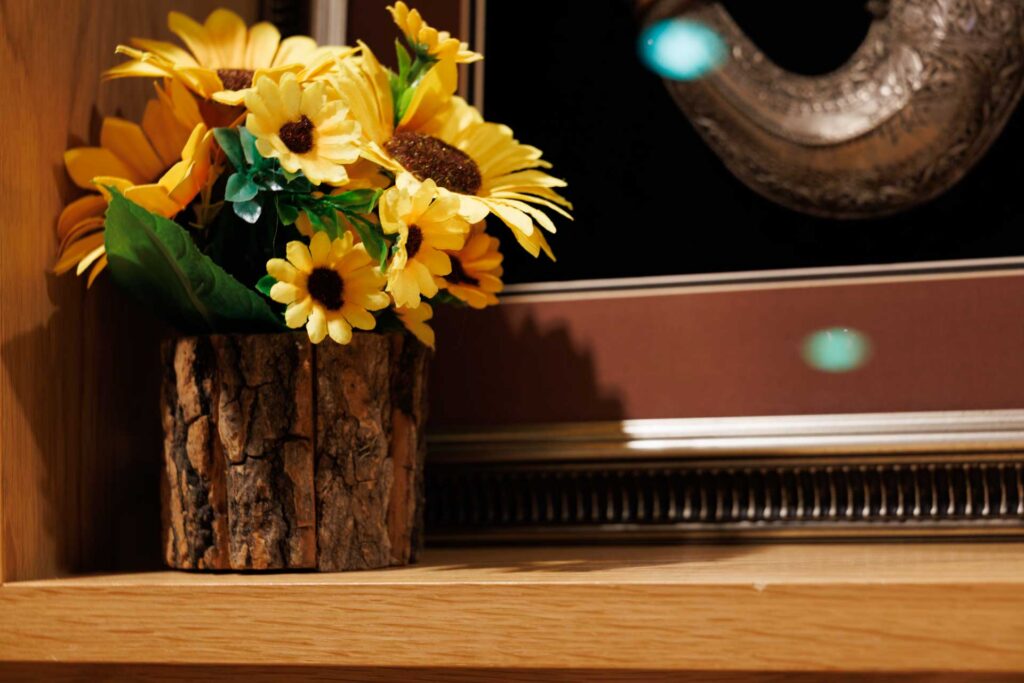



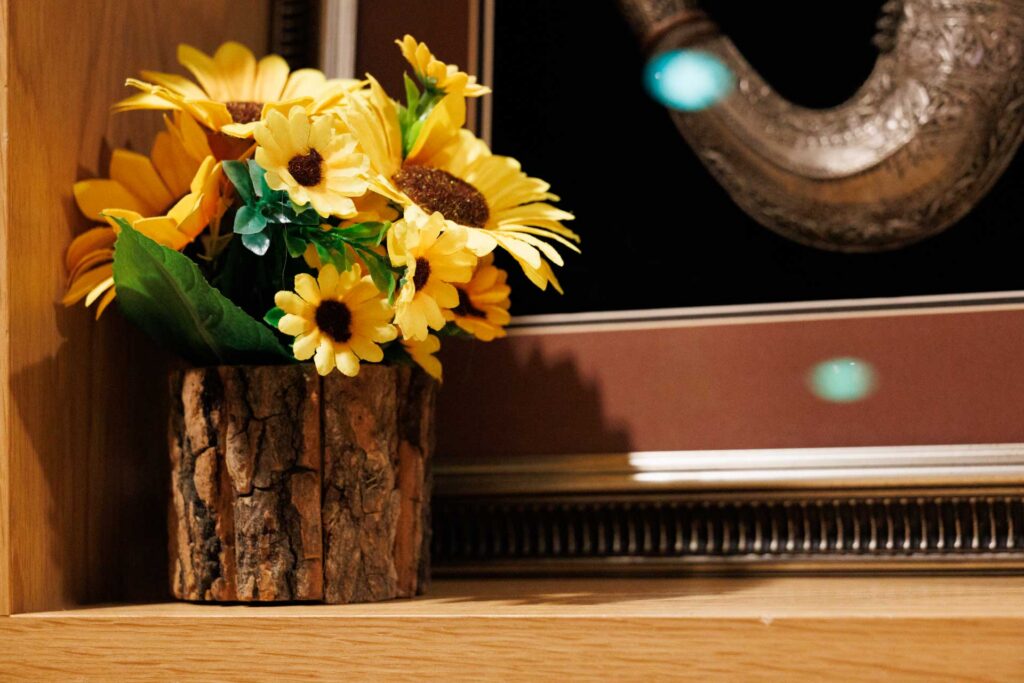

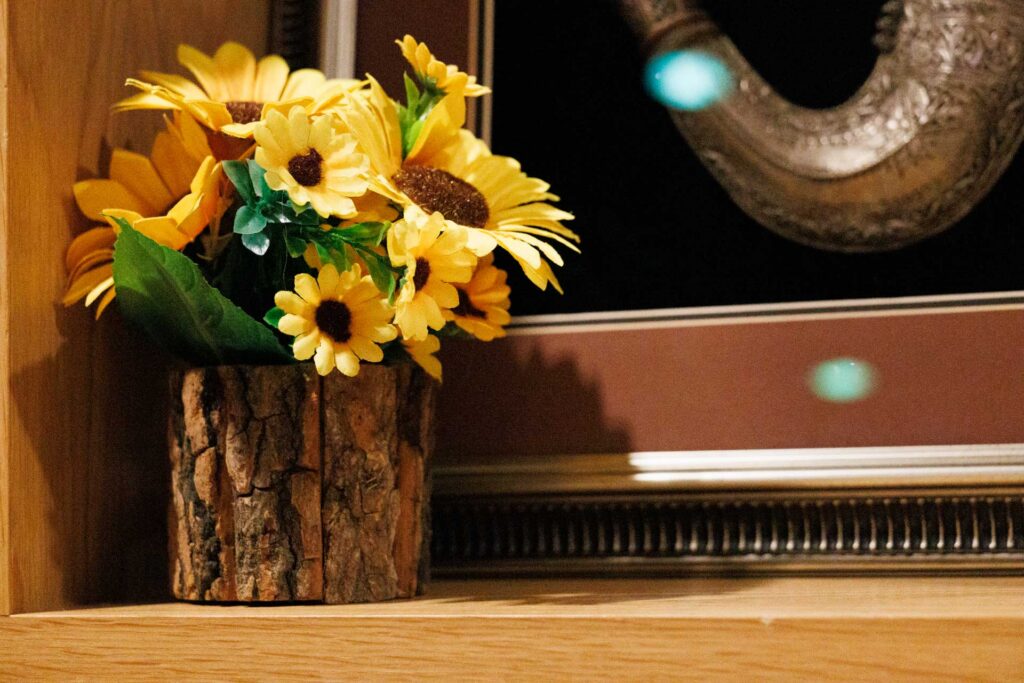
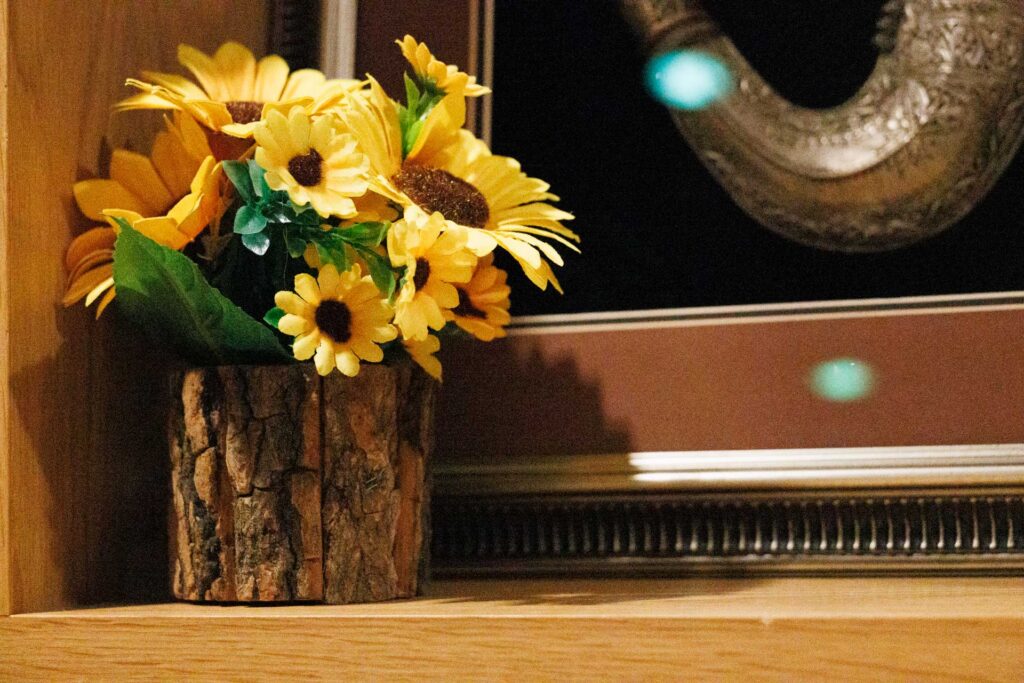
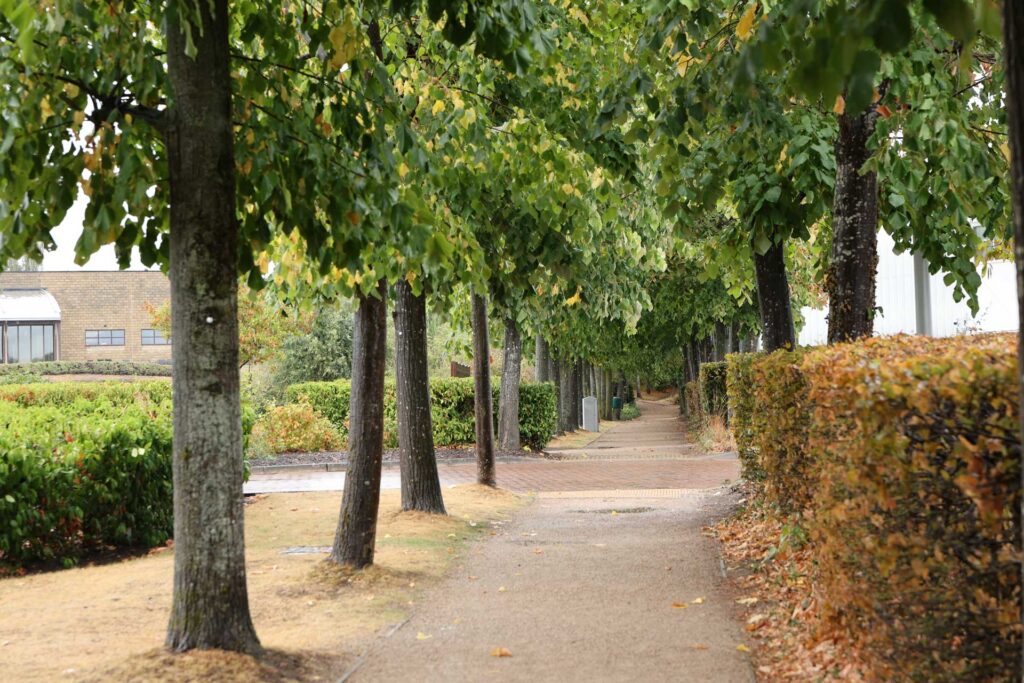

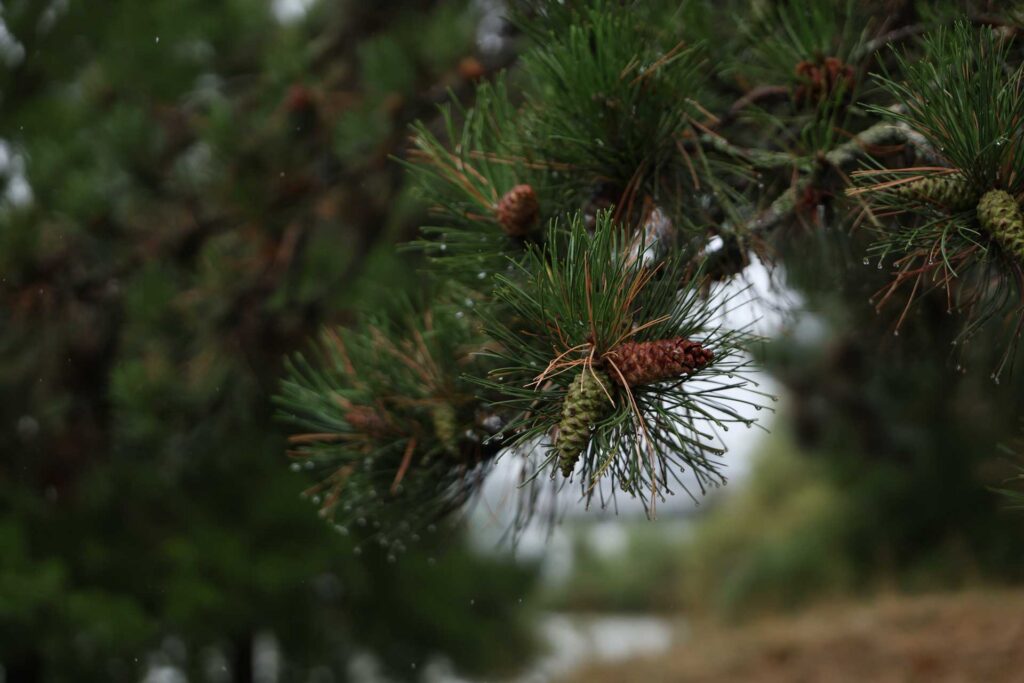
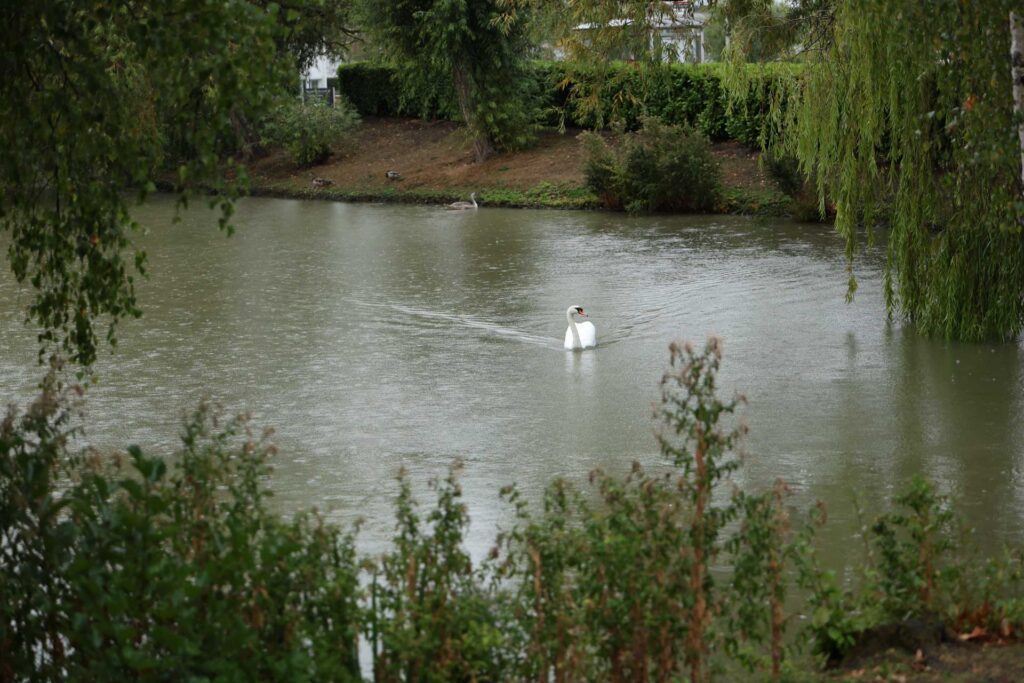
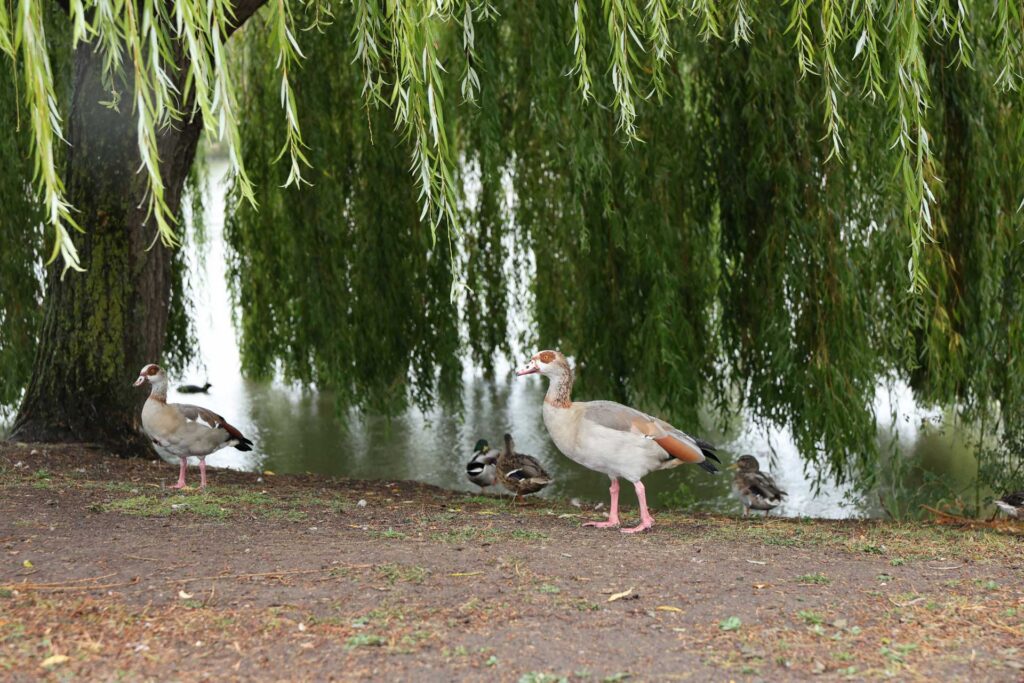
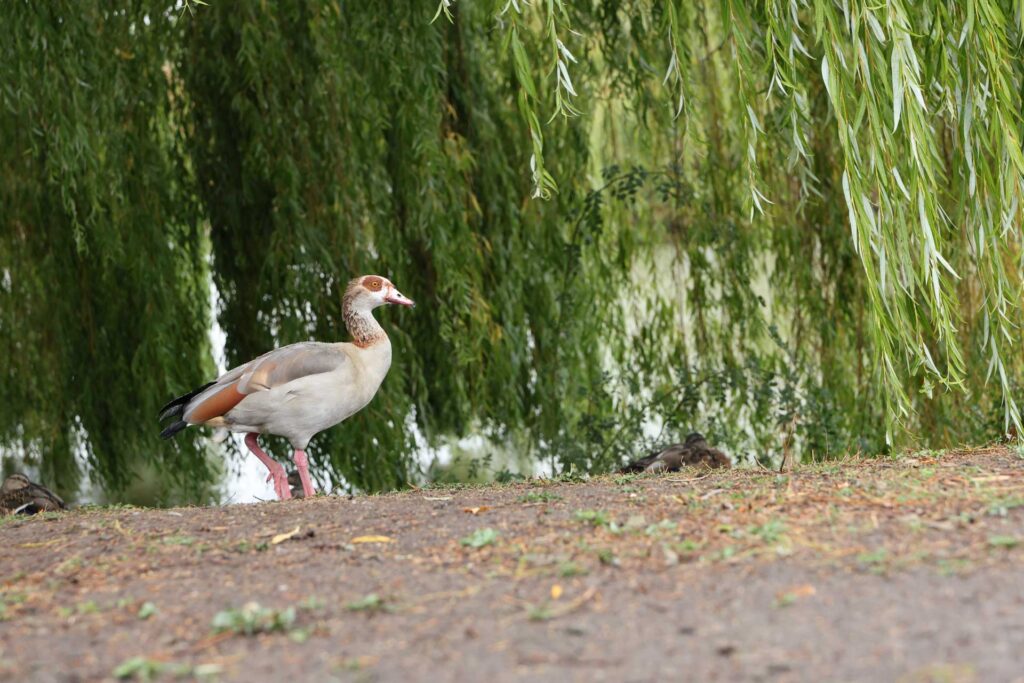
Having shot with the Canon EOS R8 Mark II, albeit with what Canon describes as a pre-production sample, I’m pleased that Canon has concentrated on the things that make a practical difference rather than simply changing a few numbers on the specification sheet. For me, the most important additions are the joystick and in-body image stabilisation. I missed both on the R8 and their inclusion makes the R8 Mark II immediately more appealing, particularly for subjects where I want to control the autofocus point quickly or shoot hand-held at slower shutter speeds.
I also like the deeper grip and side access to the memory card. Neither sounds terribly exciting, but both make the camera nicer to use and that matters far more to me over months and years of photography than a feature I might switch on once or twice. I’m also pleased that Canon has made the grip a little more substantial without turning the R8 Mark II into a large camera. As a female photographer I want a camera that’s comfortable and secure in my hand, not simply one that’s been made as small as possible, but when I’m travelling or walking around with a camera all day I certainly appreciate keeping the weight down.
The 24.2MP sensor is also a known quantity from the EOS R6 Mark II and the addition of 40fps shooting, pre-continuous capture, improved subject tracking and focusing down to -7.5EV gives the R8 Mark II plenty of potential for wildlife, pets, family photography, events and travel as well as everyday photography. Meanwhile, its uncropped 4K 60p video oversampled from 6K, Canon Log 3, four-channel audio support and Defocus feature mean it’s far from being a stills-only camera.
There are still compromises. There’s only one memory card slot, the battery rating is fairly modest and Canon hasn’t upgraded the viewfinder or screen. The weather sealing also remains below the level of the EOS R6 Mark II. However, those differences help explain where the R8 Mark II sits in Canon’s range and allow it to remain smaller, lighter and less expensive than the R6 series.
Canon describes the camera I’ve been using as pre-production, so I’m going to reserve the final score until I’m satisfied that I’ve tested a confirmed production sample extensively. However, the fact that I’ve been able to process its raw files in Adobe Camera Raw suggests it’s very close to final and my experience so far is encouraging. Canon has fixed the two things I most wanted changed on the original R8 and, as a result, the Canon EOS R8 Mark II is a much easier camera for me to recommend.