
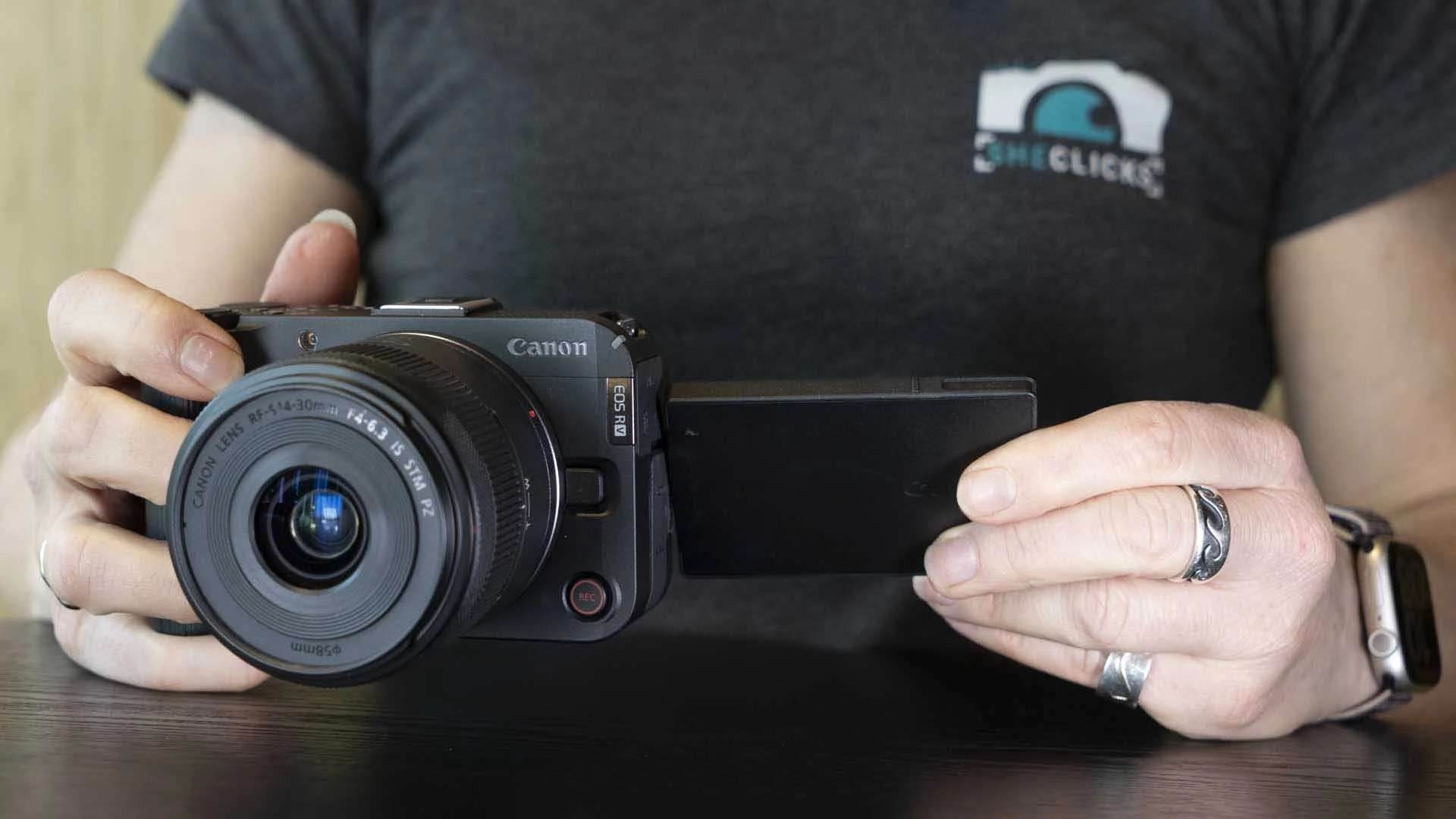
The Canon EOS R50 V is Canon’s first EOS V-series camera and it’s been designed with content creators front of mind. It’s based on the EOS R50 but has a different look and a host of video-first features, including a new mode dial, an additional record button and tripod mounting options for both orientations. While it has the same 24MP APS-C sensor, Dual Pixel CMOS AF and subject recognition as its older sibling, the design tweaks and added functionality make it a more compelling option for anyone focused on video or hybrid shooting – especially those who stream or shoot handheld pieces to camera.
Tailored vloggers and streamers
Dedicated video-first mode dial
Proven autofocus system with subject detection and registered people prioritisation
No viewfinder
4K 60p comes with a crop
Similar imaging technology to the R50, so no leap in image quality
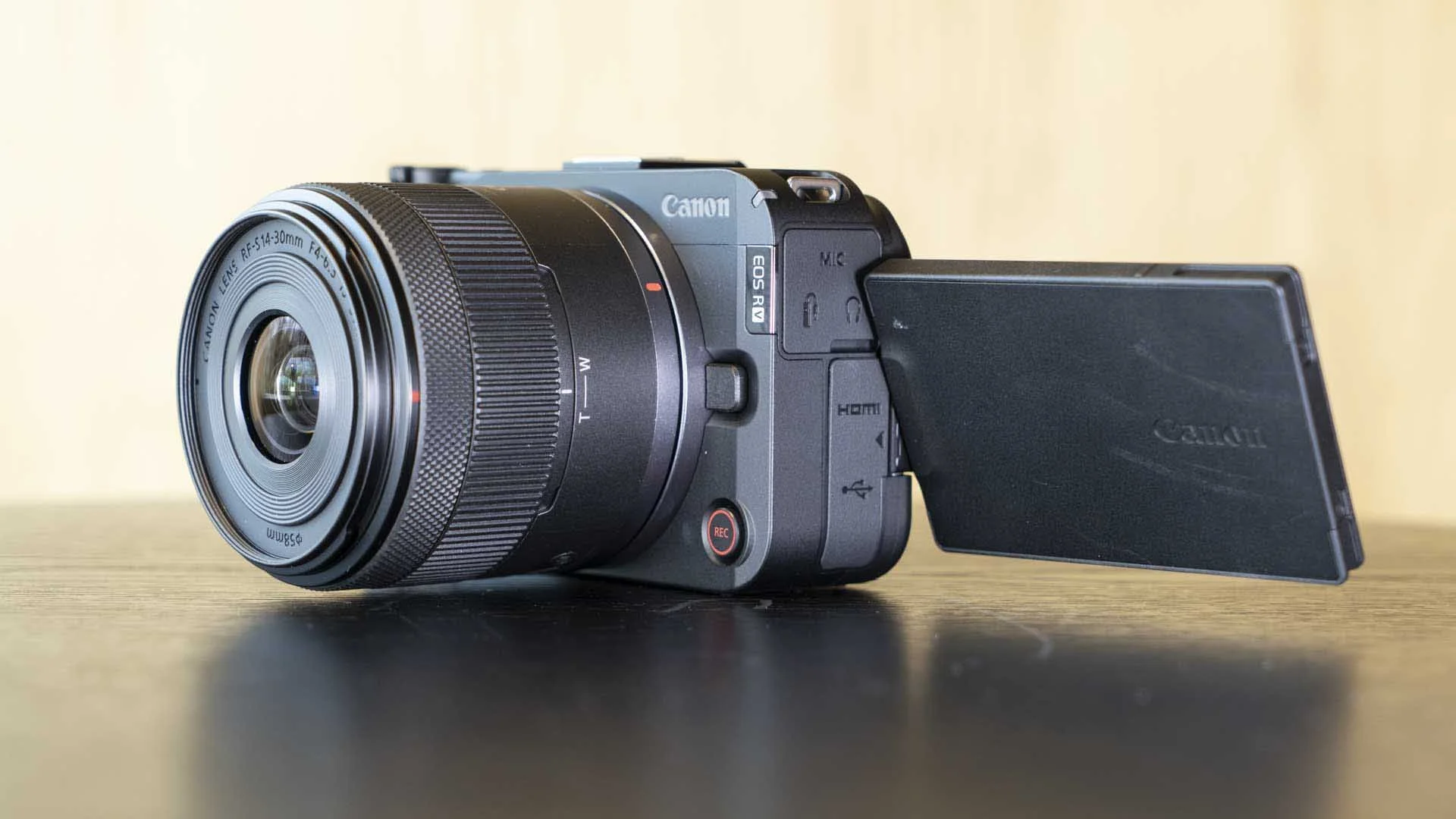
Although the EOS R50 V shares its imaging technology with the R50, it also draws inspiration from the existing compact PowerShot V10 and the PowerShot V1 announced on the same day. This means that Canon has prioritised ease of use for creators, specifically those interested in creating video. There’s a clean layout, enhanced audio connectivity, dual-orientation tripod mounts and a second record button – all features that aim to make shooting content simpler for those who regularly film themselves.
The Canon EOS R50 V is due to go on sale in April 2025, with a body-only price of £729.99 / €829.99. Canon will also offer two kit options: the standard kit at £959.99 / €1099.99 includes the new RF-S 14-30mm F4-6.3 IS STM PZ lens, while the Creator Kit, priced at £999.99 / €1149.99, adds a Bluetooth remote grip/tripod, stereo microphone and 128GB memory card – extras that would cost over £200 if bought separately.
Camera type: APS-C Format Mirrorless
Announced: 26th March 2025
Sensor: 24.2MP APS-C format (2.3 × 14.9 mm (APS-C) CMOS) CMOS
Processor: Digic X
Lens mount: RF (Supporting RF and RF-S lenses)
Focusing: Dual Pixel CMOS AF II (phase detection) with subject detection for
Humans (Eyes/Face/Head/Body), Animals (Dogs, Cats, Birds and Horses) or Vehicles (Racing cars or Motor bikes)
Dimensions (W x H x D): 119.3 x 73.7 x 45.2 mm
Weight: 370g including battery and memory card
Inside the EOS R50 V is a familiar 24MP APS-C Dual Pixel CMOS AF II sensor, delivering 4K video at 30p oversampled from 6K, or 60p with a crop. There’s also full HD recording at up to 120p, and it supports Canon Log 3 and 4:2:2 10-bit recording for greater editing flexibility.
There are aspect markers, custom picture profiles and a tally lamp – all tools that will appeal to creators looking to elevate their footage. In addition, there are useful functions like focus peaking, manual metering display, false colour and zebra, making manual shooting much more manageable.
In addition, the camera features subject detection and tracking for people, animals (including horses), and vehicles like planes and trains, along with registered people priority mode that lets you rank up to ten people for consistent focus.
Connectivity options include Wi-Fi, Bluetooth and USB-C, with support for USB video class (UVC) and audio class (UAC), making it plug-and-play ready for streaming in up to 4K 60p. You can also stream via HDMI, the Canon Camera Connect app, or Canon’s Live Switcher Mobile app (the R50 V is the first EOS camera to support this).
The multifunction shoe is compatible with Canon’s existing accessories (some via the AD-E1 adapter), and there’s also a power zoom lever for use with Canon’s new PZ lenses. Sound monitoring is covered with both mic and headphone ports, and USB-C allows for charging or continuous power during longer shoots.
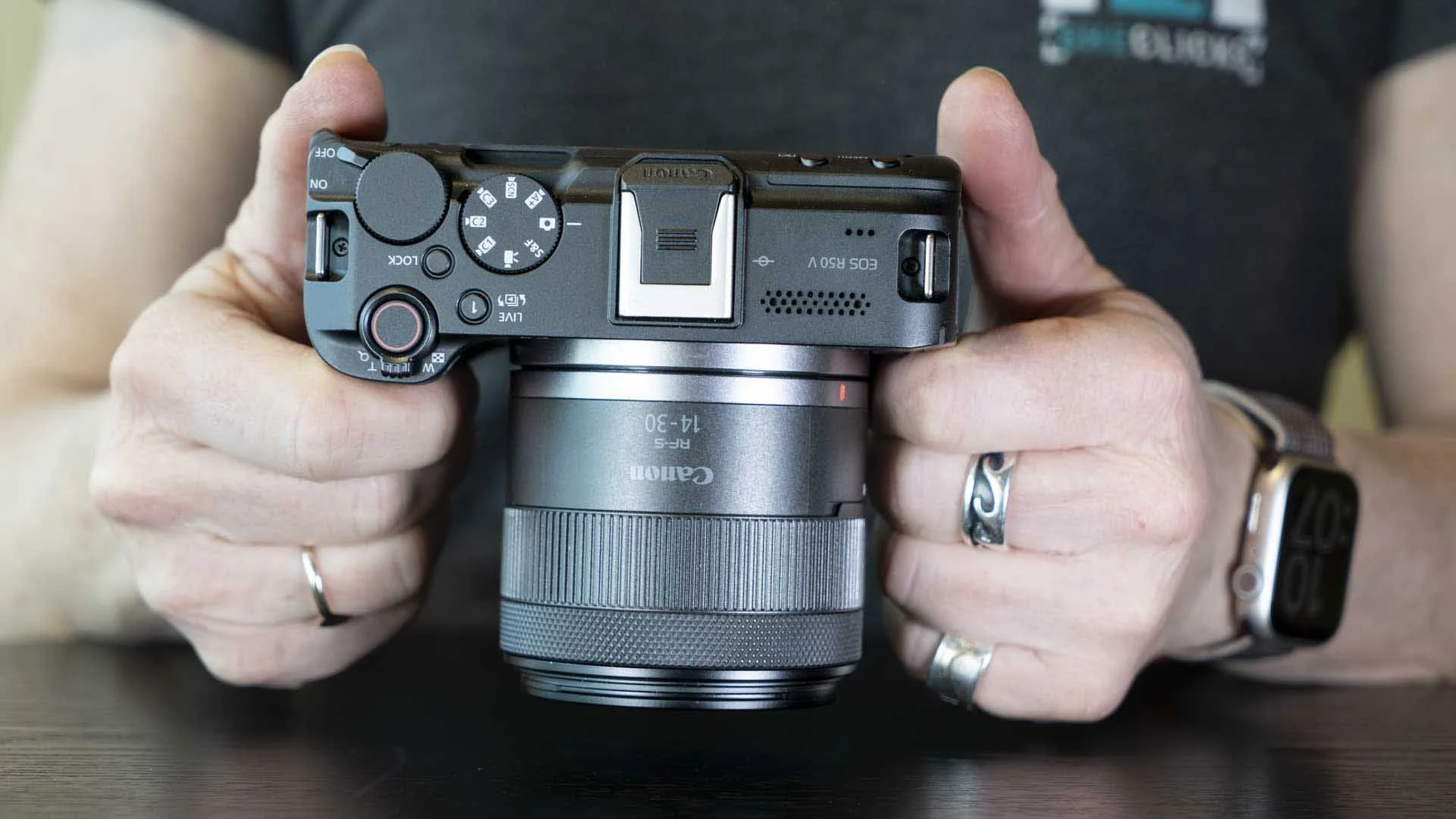
While it’s based on the original R50, the R50 V looks and feels different. The flat top, rounded edges and redesigned grip are reminiscent of some of Canon’s earlier EOS M series cameras, but it offers a more modern and comfortable hold. This means it’s better suited for longer handheld recording sessions. Like the PowerShot V1, the Canon R50 V is easy to hold facing forwards or backwards for vlogging.
The vari-angle screen is on-hand for vlogging and self-filming, but there’s no viewfinder. That lack of a viewfinder may explain the fact that the R50 V is 5 or 6 g lighter than the R50 (the 1g variation depends upon the colour of the R50.
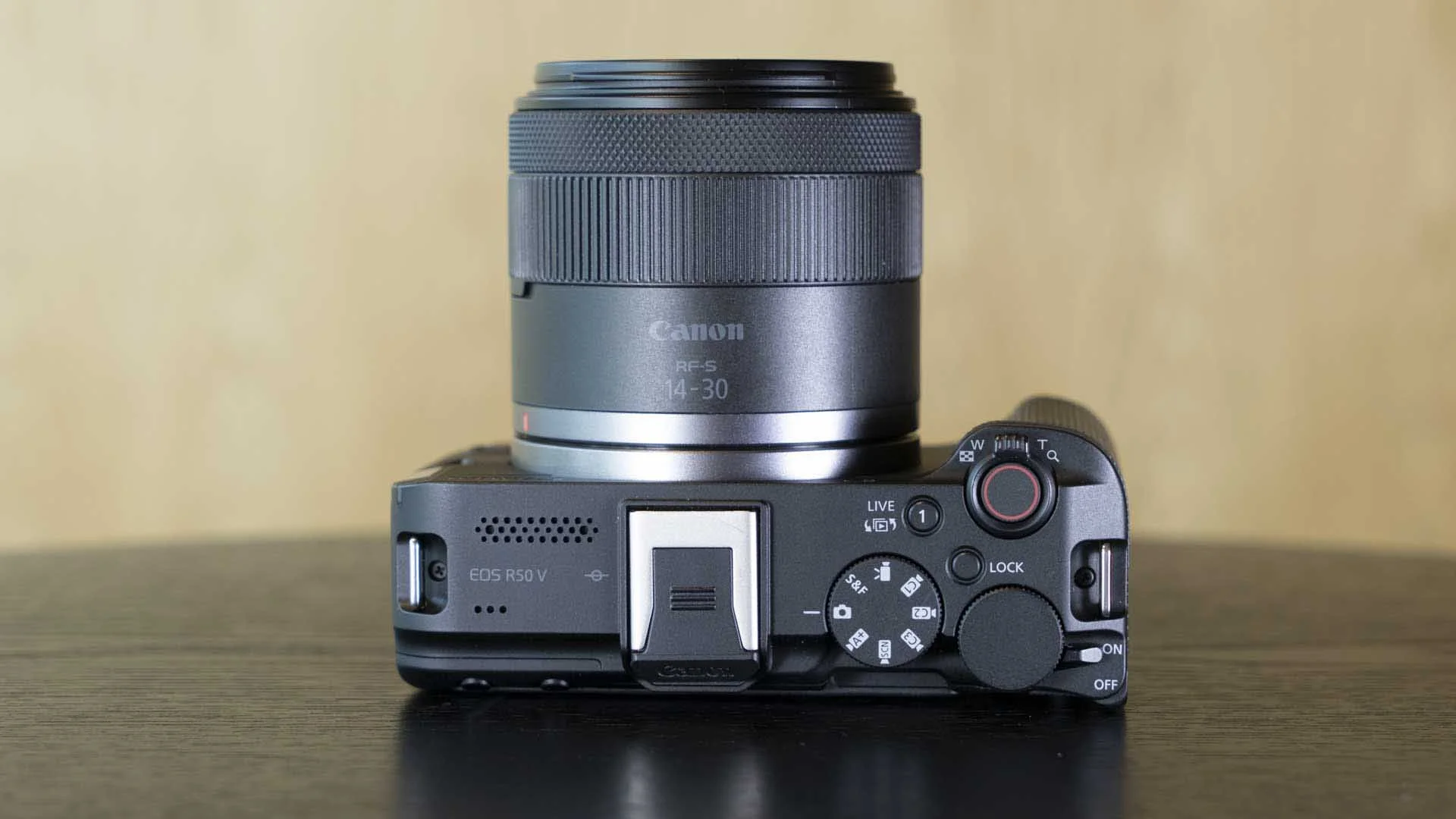
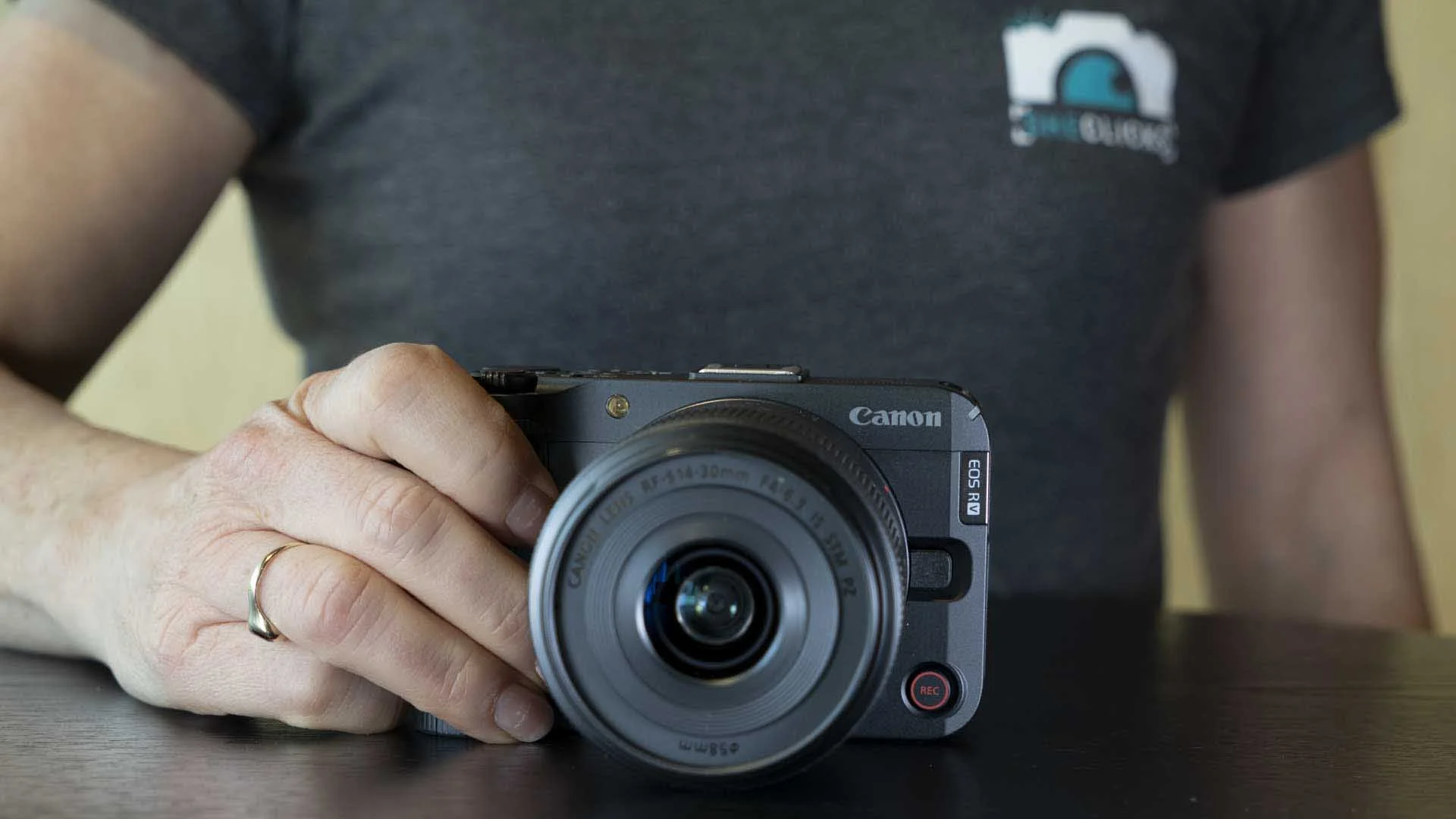
The big change is the new video-first mode dial, which prioritises video settings with auto and manual options front and centre. Naturally, stills shooting is possible, but it’s clear Canon expects this camera to be used mostly for video. There’s also an extra record button on the front of the camera, so you can start and stop recording easily with your thumb when holding the camera at arm’s length – that’s a useful addition.
Canon has added an extra tripod thread that enables the R50 V to be mounted vertically or horizontally.
The R50 V’s zoom control is handy for adjusting the framing before or during filming when a power zoom lens like the new RF-S 14-30mm F4-6.3 IS STM PZ is mounted. This lens also has a power zoom jog-ring that you can use instead if you prefer.
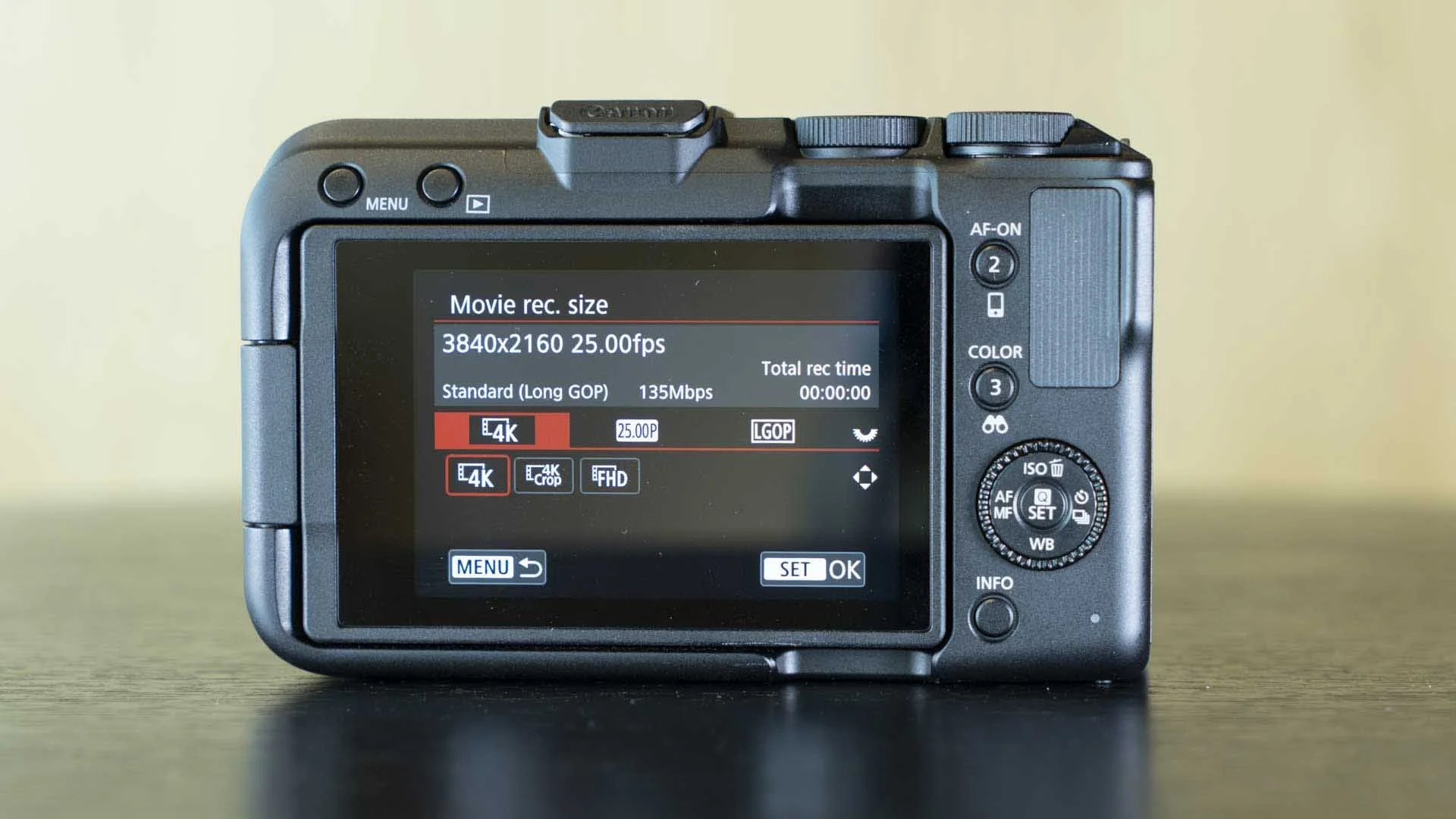
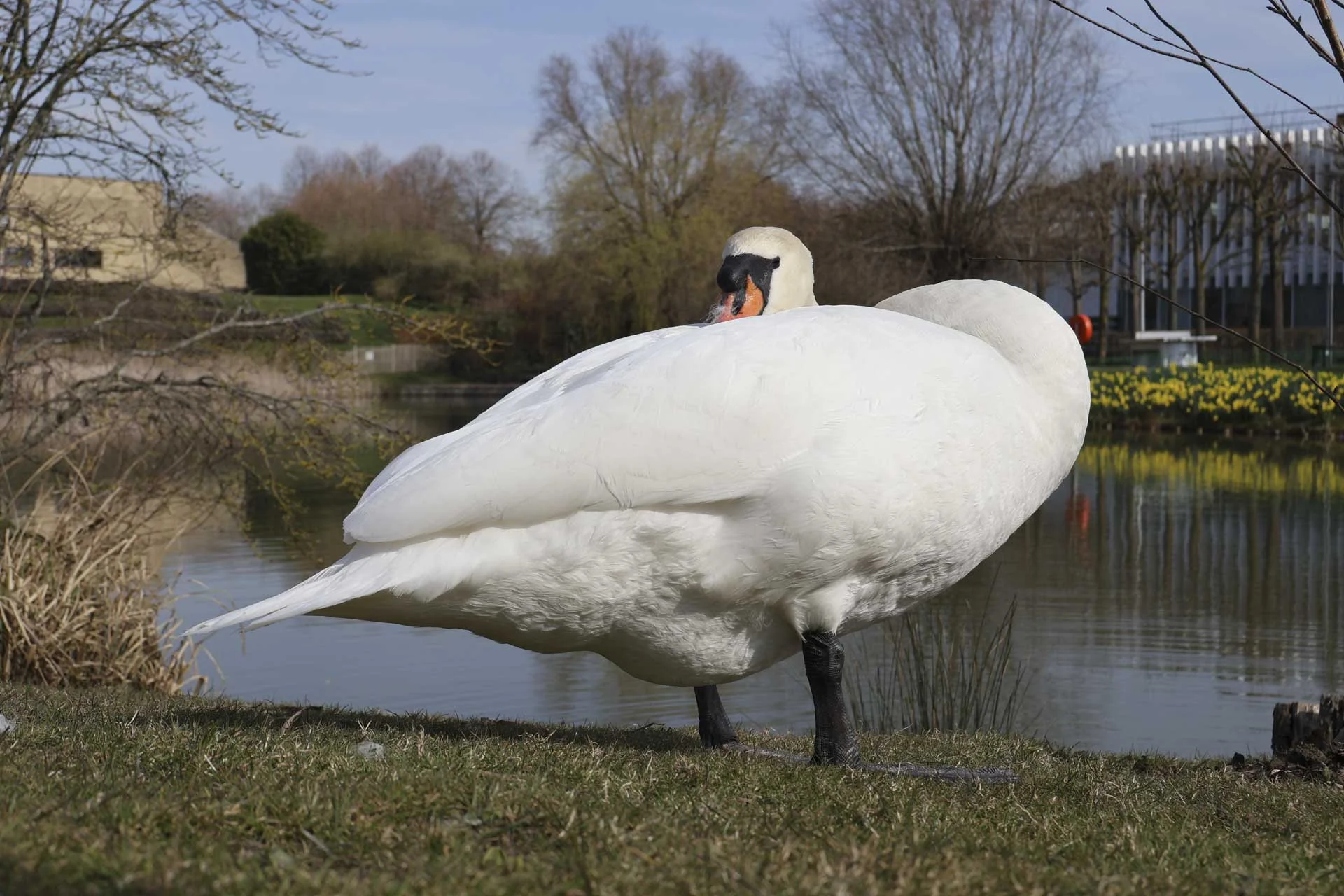
I have used a beta sample Canon R50 V, so some aspects of the performance may change before the camera comes to market, but it’s left a good impression. During my time with the camera, Canon’s Dual Pixel CMOS AF II system gave a good account of itself, with sticky subject tracking and excellent face and eye detection. It made filming a swan easy as the focus stuck with the bird’s eye while it or the camera moved.
I’m looking forward to testing the registered people priority feature in the near future, it should be particularly useful for event videos or shooting groups of people where you want to ensure key individuals remain in focus. In theory, it will be one less thing for the camera operator to think about.
So far, the quality of the video I have looks good, crisp and clean thanks to the 6K oversampling for 4K 30p footage. The stills also look good, although so far, only the Jpegs are readily viewable as Adobe Camera Raw (and other processing software) needs updating before the files can be examined or processed.
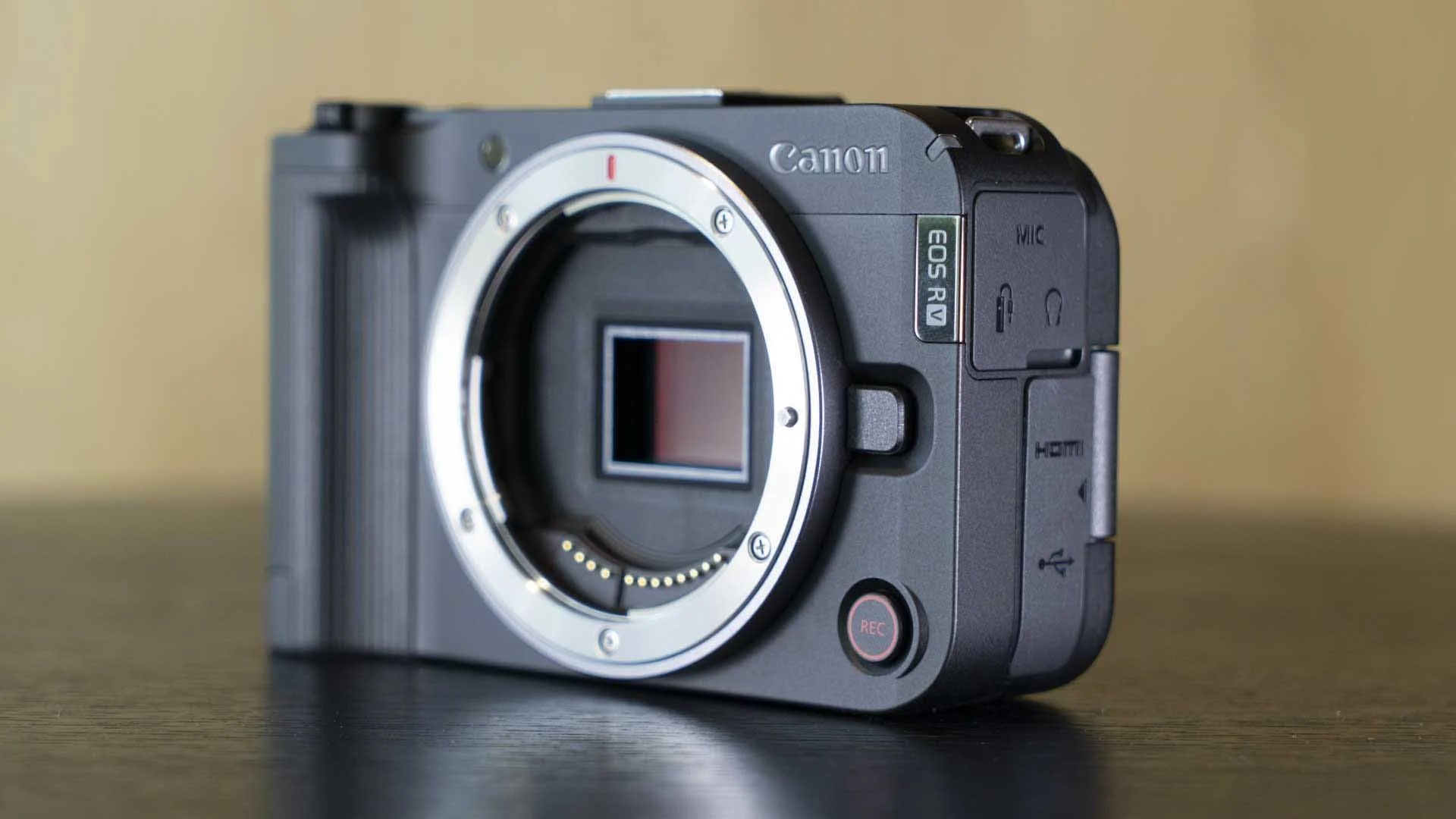
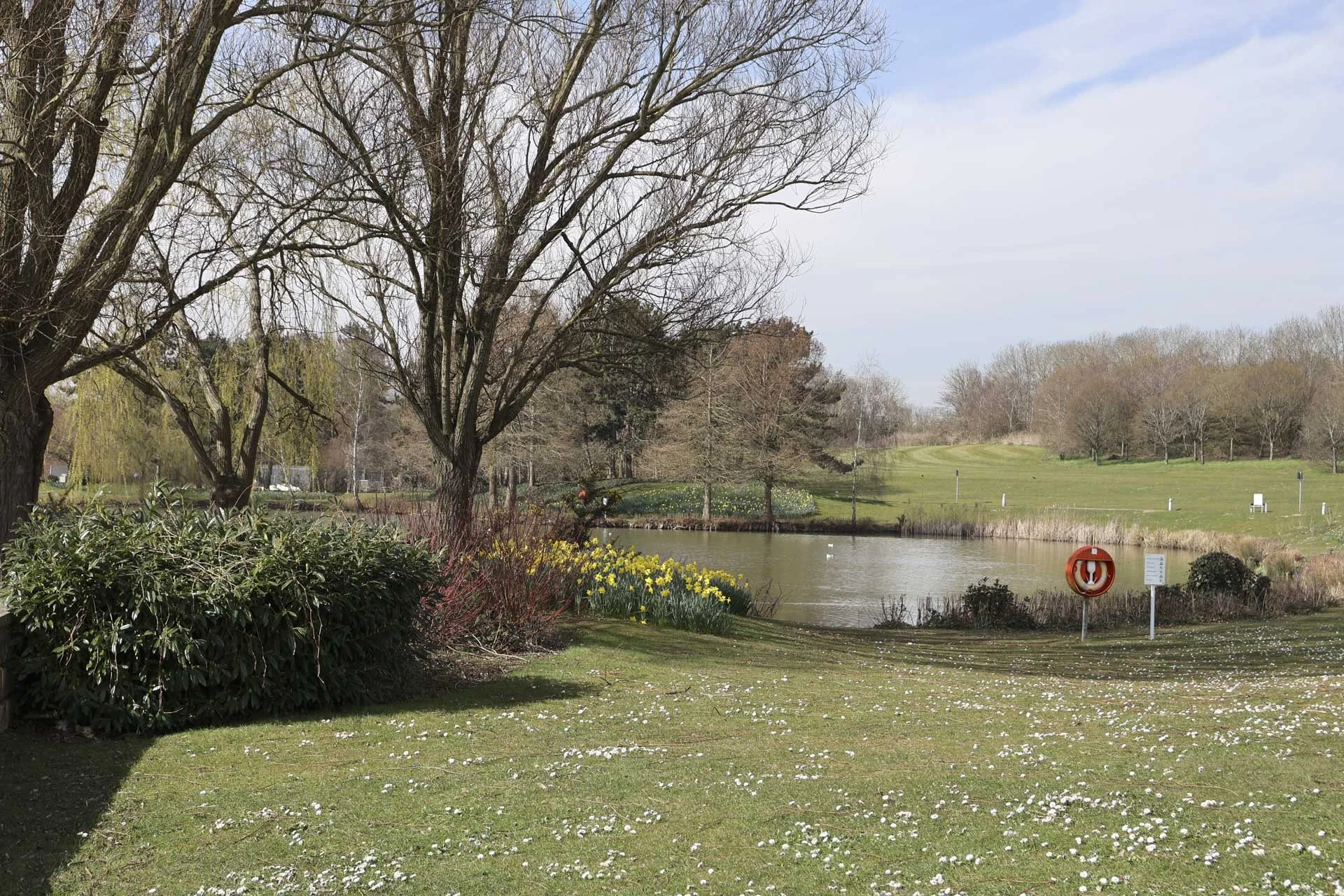
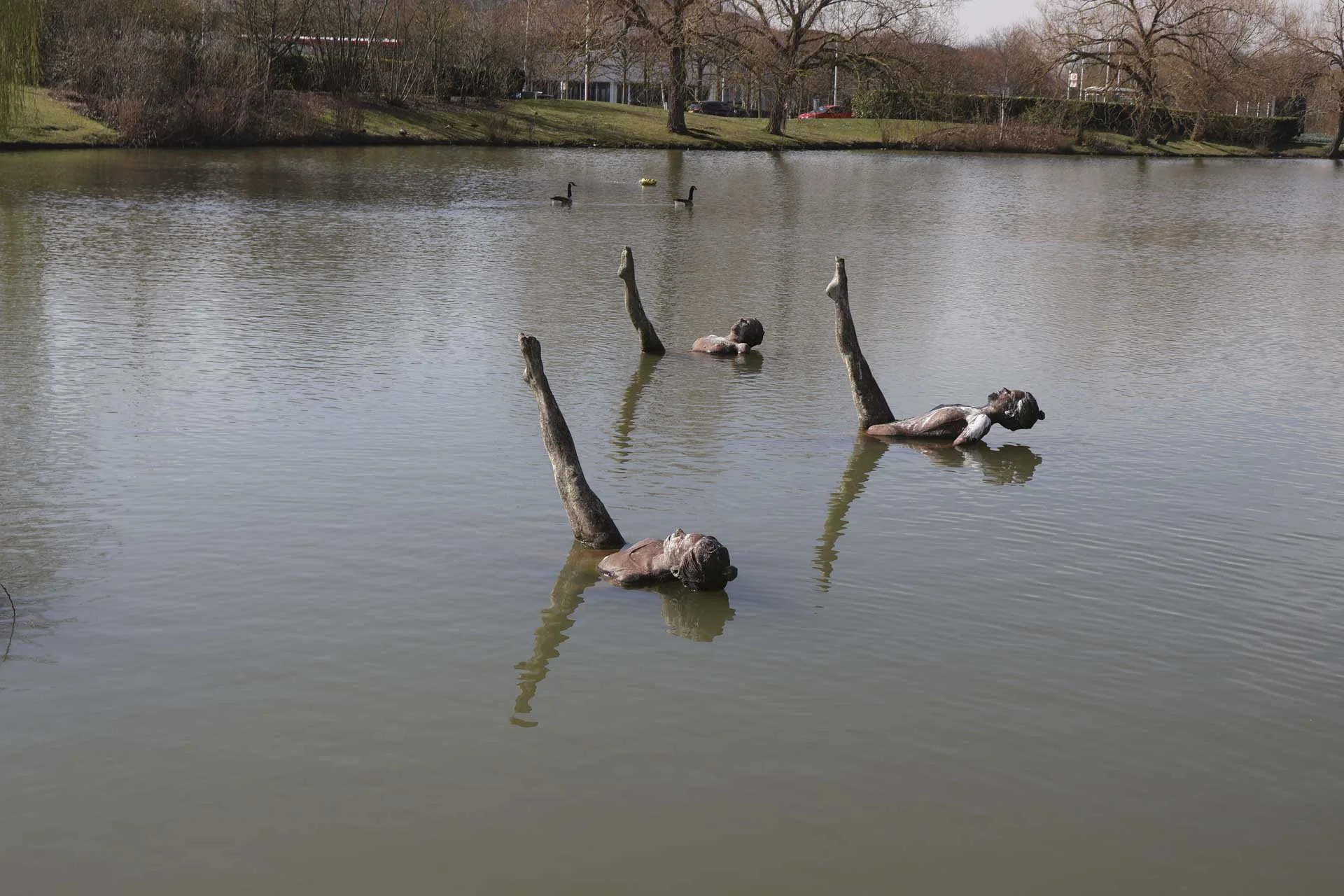
These images were captured using a beta-sample of teh Canon EOS R50 V and image quality may vary from that from a production sample.


The Canon EOS R50 V is a smart evolution of the R50 that leans into video in a big way. Canon has clearly listened to creators, adding practical updates like a front record button, dual tripod mounts and robust live streaming features. While the core imaging specs aren’t drastically different from the R50, the user experience is greatly improved for vloggers and streamers. It’s a strong entry point into the Canon EOS ecosystem for creators, and the bundled kits offer good value for those starting out.