
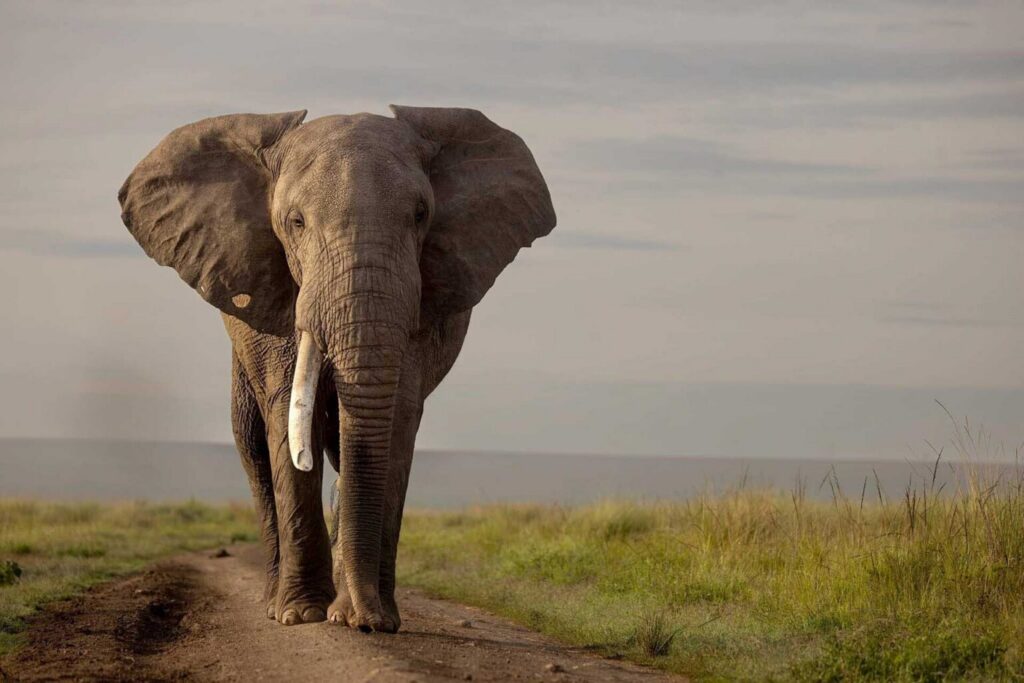
One of the most enjoyable aspects of a photographic safari is having time to stay with a sighting. You can watch what an animal is doing, see how the light changes and wait to find out what happens next. Sometimes the best photographs come from the thing you weren’t expecting to see.
This guide is based on a conversation I had with Ann Aveyard, the experienced wildlife photographer and safari leader who’ll be co-leading our SheClicks Kenya safari with me. Ann has spent many weeks in the Masai Mara and knows its wildlife well.
Every safari is different, of course. The destination, season, accommodation and daily routine all affect what you’ll need. Our SheClicks Kenya Wildlife Safari Photography Workshop at Governors’ Camp is one example, and I’ve included some details of our trip below.
Read More about the SheClicks Photographic Safari in Kenya

Game drives often start early, when it may still be dark and chilly. The light gradually improves after sunrise, and the temperature rises as the day goes on. It’s worth being ready for both: those first moments in the morning can be cold, while midday can be warm and sunny.
Wildlife doesn’t follow a timetable. You might spend a long time with one animal or cover more ground looking for another. Ann says the pace of a photographic safari is different from one focused on seeing as many animals as possible. You have time to watch behaviour, wait for a moment and enjoy what’s happening in front of you. I enjoy the moments when we set out looking for one thing and discover something else along the way.
Ask your safari operator what a typical day involves. Some trips return to camp for lunch, while others include picnic meals and stay out for much of the day. It’s also worth finding out how long the drives usually last, whether you’ll have a private vehicle and how much flexibility there is to stay with a sighting.
You don’t need to be an experienced wildlife photographer to enjoy a safari. It helps to know how to change your camera settings quickly, but you can learn as you go. I’ll be on hand to help with cameras and settings on our SheClicks trip, while Ann will share her knowledge of wildlife photography and the Masai Mara. And remember to look up from the camera now and then. As Ann reminded me, it’s lovely to simply watch what’s happening. That’s something I remember well from a safari in South Africa; there were several occasions when it was time to watch and soak up the experience of elephants watching us, and cheetah cubs playing around our jeep.

You don’t need to buy new equipment for a safari. It’s much better to take a camera you know how to use than unfamiliar kit you’ve only just bought.
Ann advises waiting until the vehicle has stopped before changing lenses, and keeping your camera sheltered while you do it. Check with your operator about the space in the vehicle and whether you can rest a camera on the sides or armrests.
The light can be low at the start of a morning drive. Ann’s advice is to take a ‘safe’ (high ISO fast shutter speed) shot first, then adjust your settings as the light improves. I’d rather have a sharp photograph with some noise than a clean but blurred one. Sometimes, though, it’s simply a matter of waiting until there’s enough light.
Read About Our October 2026 Workshop in Glencoe

Layers make early starts much more comfortable. Trousers, shirts, a fleece or warm jacket and a light waterproof layer are practical choices. If you feel the cold, a warm hat and gloves may be welcome. Choose closed-toe shoes such as trainers or lightweight walking boots.
The sun can be strong, so take sunscreen, sun-protective clothing and insect repellent. Also pack any personal medication you need. If you’re prone to an upset stomach or travel sickness, consider bringing remedies for those too.
Speak to your GP or a travel clinic well before departure about vaccinations and other health precautions that are right for you and your itinerary.
Luggage limits can differ, particularly on small internal aircraft. Check the allowance for your own trip before packing, we can take up to 25Kg of luggage. Laundry can also make a difference: there’s a laundry service at Governors’ Camp, so you won’t need to take a fresh outfit for every day.

When you’re out on a drive, keep noise down and watch the animals as well as your camera – if you spend all your time looking through the viewfinder, it’s easy to miss some developing action. Give wildlife space, follow your guide’s instructions and look for signs that an animal is becoming uncomfortable. If it appears distressed, move away. Never place a vehicle between an animal and its young or prey.
It’s important to let the animal’s behaviour guide your decisions. Sometimes the guide may choose to wait farther away rather than drive closer. Trust their judgement. That can give you a better view of what the animal is doing and leave it undisturbed.
Read What is Creative Photography and How to Get Started

The SheClicks Kenya Wildlife Safari Photography Workshop runs from 6 to 13 November 2027. We’ll meet in Nairobi on the first day and stay overnight at Crowne Plaza Nairobi Airport. The following day we’ll fly to the Masai Mara, arrive at Governors’ Camp and head out on an afternoon game drive.
We’ll spend six nights at Governors’ Camp, with early starts and flexible game drives. Some days we may stay out in the Mara with picnic meals, while on others we may return to camp for lunch. The final day includes an early morning game drive before we fly back to Nairobi.
Governors’ Camp is unfenced, so wildlife can move through the camp area. The tents have ensuite bathrooms and electricity for charging, and there’s a laundry service. Our group will have private safari vehicles, with local guides and photography guidance from Ann and me. The internal flights for this trip include an upgraded luggage allowance of up to 25kg. These arrangements are specific to our workshop, so check what’s included on any other safari you’re considering.
The workshop is designed by women, for women, and is open to photographers with a range of experience. There are two places left.

The workshop costs £6,995 per person, based on sharing twin accommodation. A limited number of single places are available for a £500 supplement.
The price includes photography guidance, local safari guides and drivers, private safari vehicles, park and community fees, accommodation, meals and standard drinks listed in the itinerary, internal flights and transfers, and tips for camp safari guides and staff.
International flights to and from Nairobi, the Kenya Electronic Travel Authorisation, personal purchases and premium drinks are not included. Travel and equipment insurance must be in place before making any payment.
Create a free account and get a full month of Connect Plus included — the full SheClicks community, on us.
When your free period ends you can carry on using Connect for free, or subscribe to keep Connect Plus. No card needed to sign up.